Artificial intelligence is everywhere—in your phone, your car, and even writing emails for you. With its capabilities expanding at an exponential rate, you might be wondering if there are any actual limits of AI. For decades, experts have confidently declared, “AI will never be able to do X,” only for technology to prove them wrong time and time again. The past few years have seen AI leap from the research lab into our daily lives, accomplishing tasks many thought impossible.
Of course, limitations still exist, but my advice is simple: don’t bet against AI. In this article, we’ll explore what these perceived limits are, which ones have already been conquered, and what the future holds for this incredible technology.
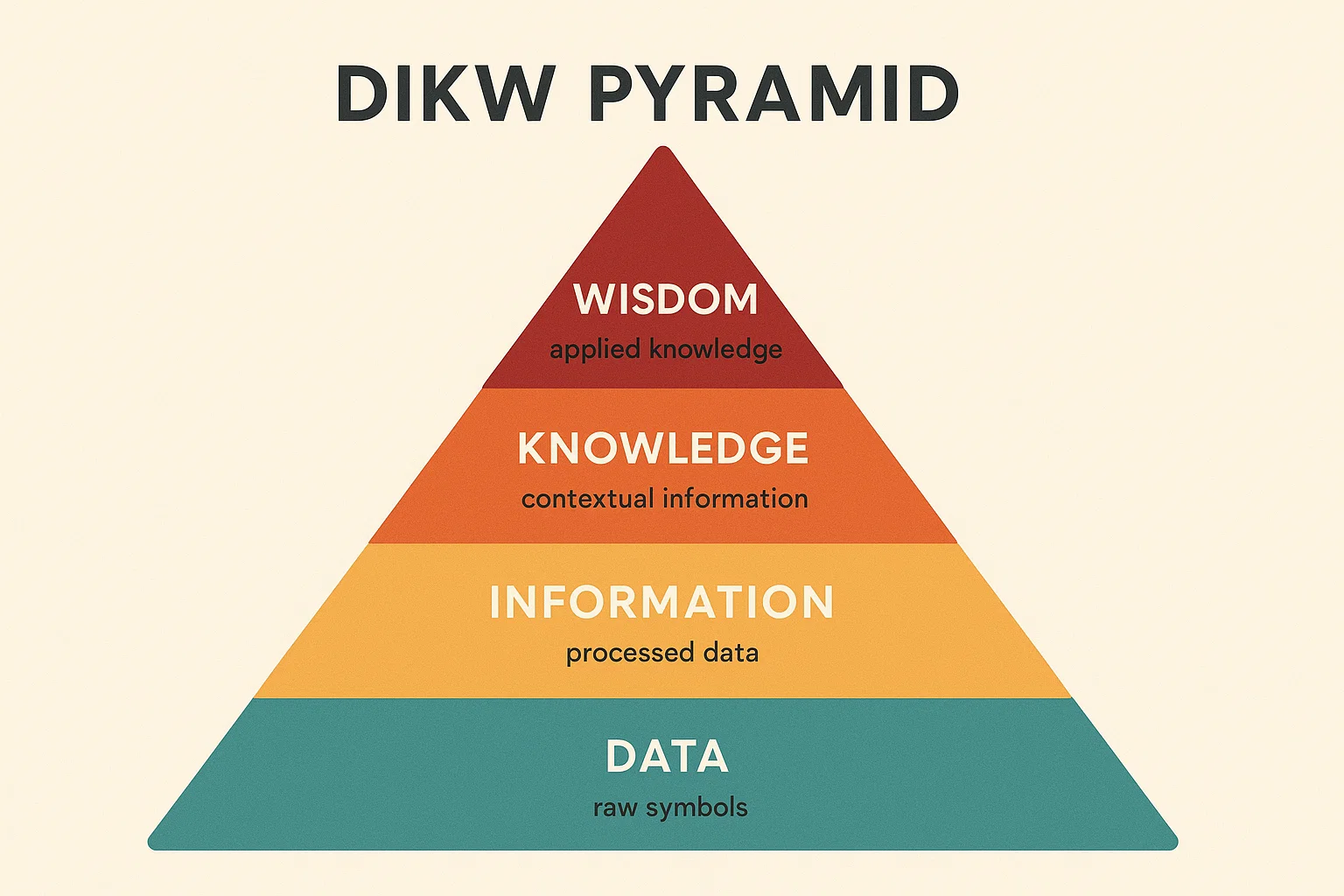
The DIKW Pyramid helps us understand the journey from raw data to actionable wisdom.
From Data to Wisdom: Understanding the AI Hierarchy
To grasp the limits of AI, we first need to understand the relationship between data, information, knowledge, and wisdom. This is often represented by the DIKW pyramid.
Data: This is the foundation—raw, unorganized facts. For example, the numbers: 10, 6, 43, 8. On their own, they’re meaningless.
Information: When we add context to data, it becomes information. If we learn those numbers are the ages of people in a room, they now have meaning.
Knowledge: When we interpret that information, we gain knowledge. For instance, observing that “most people in the room are under 21” is a piece of knowledge derived from the information. This is where AI truly begins to shine.
Wisdom: The peak of the pyramid is wisdom—the application of knowledge with judgment. Using our knowledge, we might decide, “Let’s find some age-appropriate games for this group.” While AI excels at processing data into knowledge, achieving true wisdom remains a significant frontier.
Shattered Boundaries: Past “Limits” of AI That Have Been Conquered
Many abilities once thought to be exclusively human have been mastered by AI systems, proving that the goalposts are constantly moving.
Reasoning and Complex Problem Solving
For a long time, the ability to reason through complex problems was considered a uniquely human trait. That changed in 1997 when IBM’s Deep Blue computer defeated world chess champion Garry Kasparov. This was a monumental achievement in problem-solving and strategic reasoning that many thought was decades away.
Human language is filled with nuance, idioms, and figurative speech that makes it incredibly difficult for machines to parse. Early chatbots like ELIZA (1965) were simple, but in 2011, IBM’s Watson demonstrated a profound leap by winning the game show Jeopardy!, which requires understanding puns and complex wordplay. Today’s generative AI chatbots continue this trend, understanding and generating human-like text with surprising accuracy.
Creativity
Can a machine truly be creative? Many argued it couldn’t. Yet, today’s generative AI can create stunning original art, compose new music, and write poetry. While it learns from existing data created by humans, one could argue that human artists are also heavily influenced by the works of those who came before them. This so-called limit has become one of AI’s most impressive demonstrations.
Real-Time Perception and Robotics
The idea of a machine perceiving and reacting to the physical world in real-time was once pure science fiction. Now, we have self-driving cars that act as real-time robots, using sensors to perceive their environment, anticipate the actions of other vehicles, and make complex navigational decisions every second. If you’re interested in learning more about how these systems are built, you might want to explore articles on how AI technology is explained.
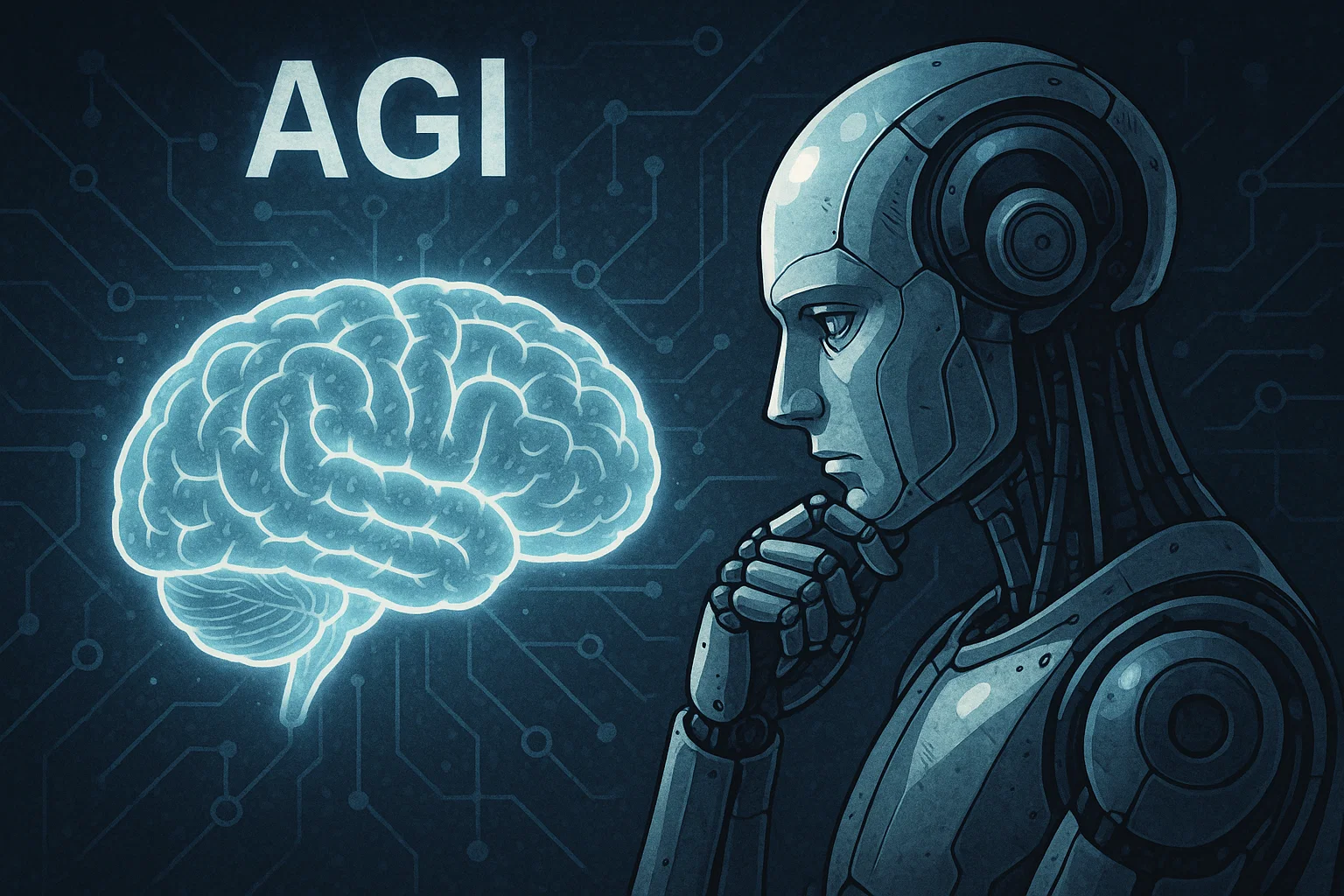
Current frontiers in AI research focus on challenges like Artificial General Intelligence and true self-awareness.
The Final Frontiers: Current and Future Limits of AI
While AI has made incredible strides, several significant challenges remain. These are the areas researchers are actively working to solve today.
True Understanding and Hallucinations
Does an AI truly understand what it’s saying, or is it just an incredibly sophisticated pattern-matching machine? A related problem is “hallucinations,” where an AI confidently states something that is completely false. Technologies like Retrieval-Augmented Generation (RAG) are being developed to ground AI in factual data and reduce these errors, but it remains a key area of research.
Emotional Intelligence (EQ) and Deep Emotions
An AI can be trained to recognize and simulate human emotions, but can it experience deep emotions like joy, sadness, or loss? This ability to feel, known as sensation, is deeply tied to consciousness and remains a profound philosophical and technical barrier.
Artificial General Intelligence (AGI) and Super Intelligence (ASI)
Current AI is specialized. AGI refers to an AI with the ability to understand, learn, and apply knowledge across a wide range of tasks at a human level. Beyond that lies ASI, or Artificial Super Intelligence, an intellect far smarter than the best human brains in practically every field. Both remain theoretical concepts and are not yet a reality.
Judgment, Common Sense, and Self-Awareness
Can an AI make sound ethical judgments or apply “common sense”? This is difficult because these concepts are often subjective and context-dependent. True self-awareness, or consciousness, is perhaps the ultimate limit—a question that may be more philosophical than technical.
The Partnership Ahead: The Role of Humans and AI
The most productive way to view the future is as a partnership. Our roles will become more defined:
Humans: The “What” and “Why.” Our strength lies in setting the vision, defining the purpose, and asking the right questions. We provide the strategic direction and the ethical framework.
AI: The “How” and “Do.” AI is the ultimate tool for execution. Once given a goal, it can determine the most efficient path (“how”) and then carry out the tasks (“do”) with speed and precision far beyond human capability.
The history of AI is a story of shattered limits, and its future is a canvas of immense possibility. While we continue to push the boundaries of what this technology can do, one thing is clear: the most exciting chapters are still being written.
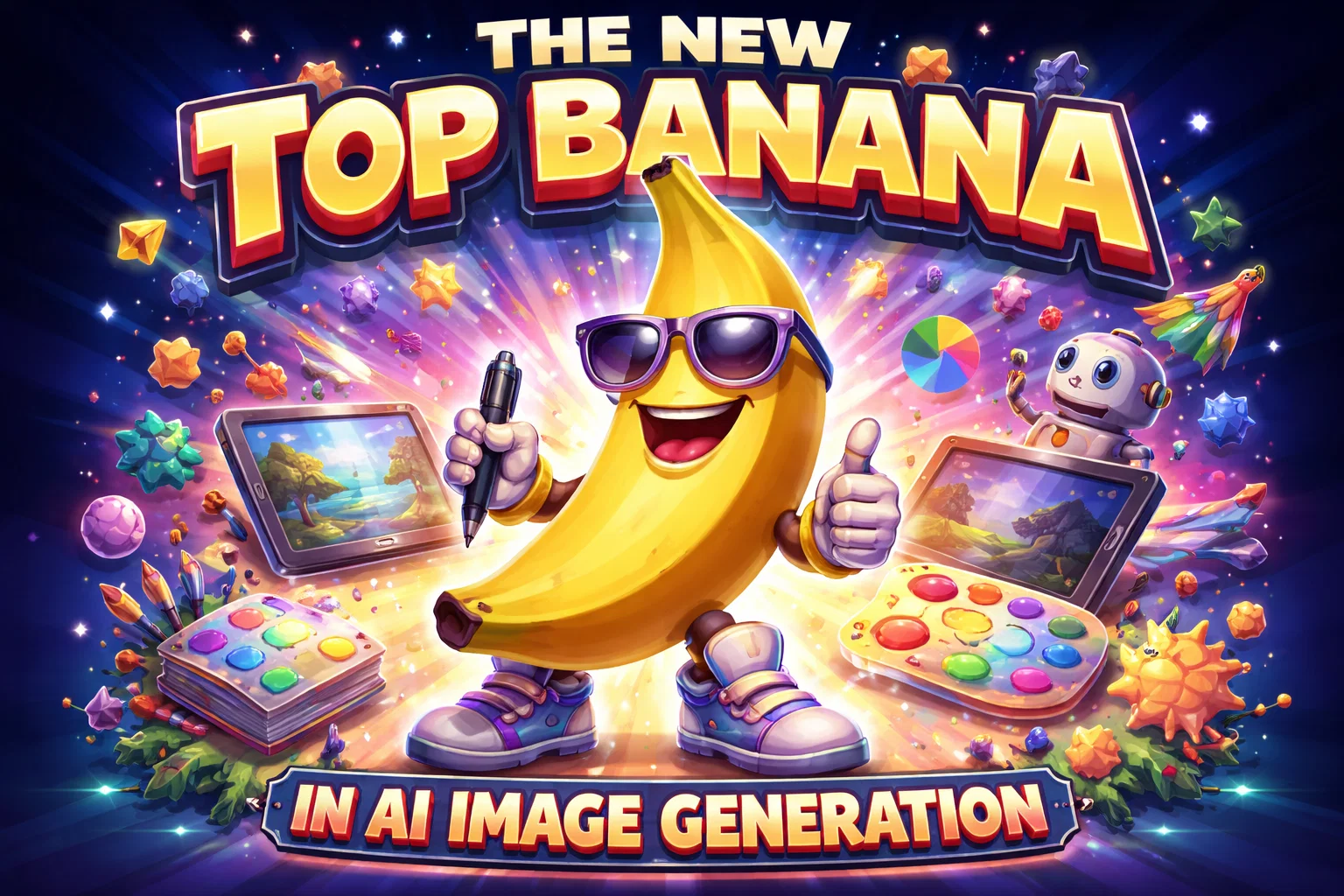
The field of AI image generation has witnessed tremendous growth in recent years, with various models and techniques being developed to create realistic and diverse images. As reported by The Rundown AI, the latest advancements in this field have led to the emergence of a new top banana in AI image generation. This article will delve into the details of this new development and explore its potential applications.
Introduction to AI Image Generation
AI image generation refers to the use of artificial intelligence algorithms to create images that are similar to those produced by humans. This technology has numerous applications, including computer vision, robotics, and gaming. The process of AI image generation involves training a model on a large dataset of images, which enables it to learn patterns and features that can be used to generate new images.
The New Top Banana in AI Image Generation
According to The Rundown AI, the new top banana in AI image generation is a model developed by Anthropic, a leading AI research organization. This model has demonstrated exceptional capabilities in generating high-quality images that are comparable to those produced by humans. The model’s architecture is based on a combination of deep learning and machine learning techniques, which enables it to learn complex patterns and features from large datasets.
The new top banana in AI image generation has the potential to revolutionize the field of computer vision and enable the development of more sophisticated AI-powered applications.
Applications of AI Image Generation
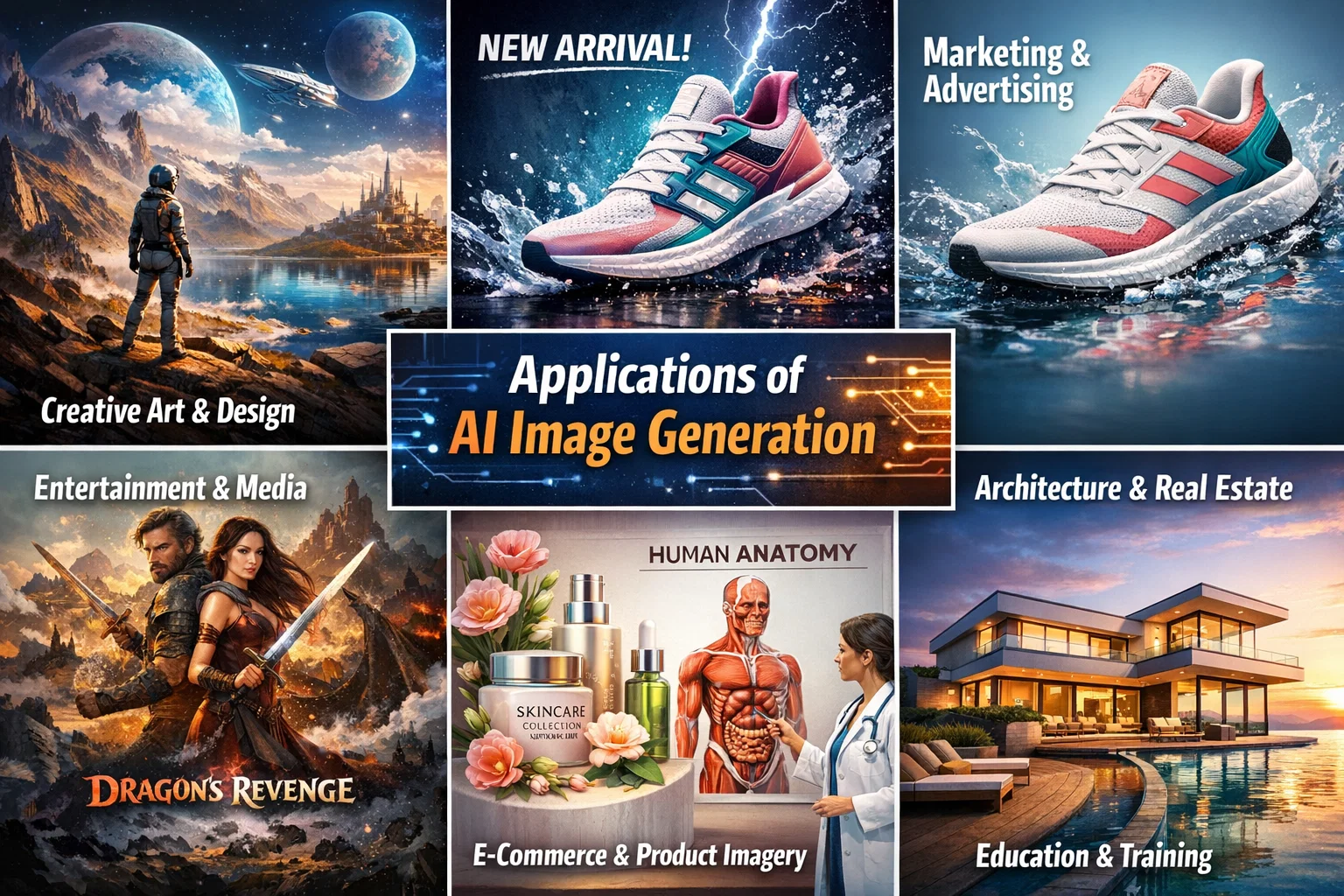
The applications of AI image generation are diverse and widespread. Some of the most significant applications include computer vision, robotics, gaming, and healthcare. In computer vision, AI image generation can be used to create synthetic images that can be used to train models for object detection, segmentation, and recognition. In robotics, AI image generation can be used to create realistic simulations of environments, which can be used to train robots to navigate and interact with their surroundings.
Creating an AI Assistant with its Own Phone Number
In addition to AI image generation, The Rundown AI also provides information on how to create an AI assistant with its own phone number. This can be achieved using a combination of natural language processing and machine learning techniques, which enable the AI assistant to understand and respond to voice commands. The AI assistant can be integrated with various platforms, including GitHub, to enable seamless communication and interaction.
Conclusion
In conclusion, the new top banana in AI image generation has the potential to revolutionize the field of computer vision and enable the development of more sophisticated AI-powered applications. The applications of AI image generation are diverse and widespread, and the technology has the potential to transform various industries, including healthcare, gaming, and robotics. As reported by The Rundown AI, the future of AI image generation looks promising, and we can expect to see significant advancements in this field in the coming years.
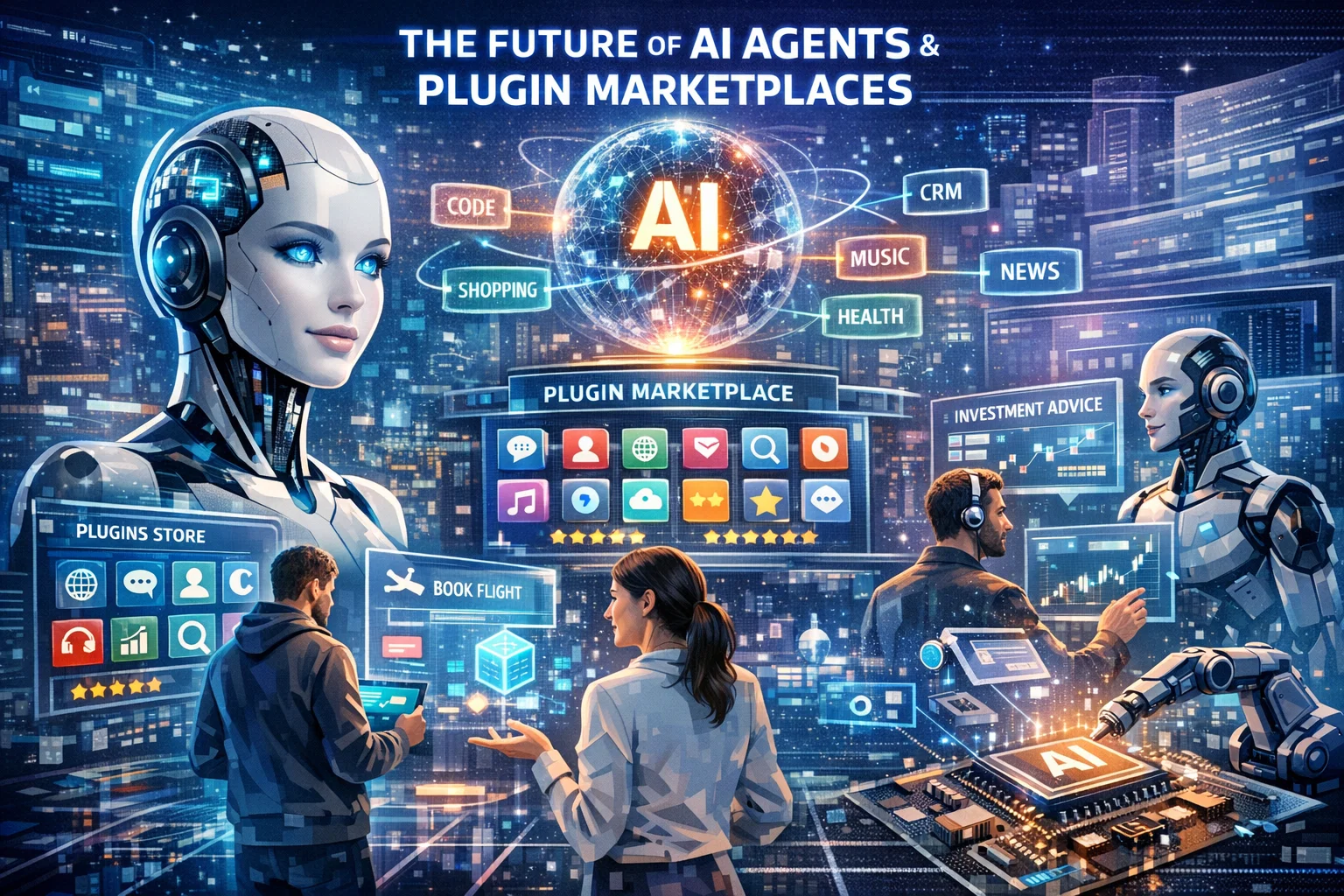
The recent launch of the Cursor plugin marketplace is a significant development in the field of artificial intelligence, enabling users to extend the capabilities of AI agents with external tools. As reported by FutureTools News, this innovative platform is set to transform the way AI agents are used in various industries. The plugin marketplace is designed to provide users with a wide range of tools and services that can be seamlessly integrated with AI agents, enhancing their functionality and performance.
Introduction to Cursor Plugin Marketplace
The Cursor plugin marketplace is an online platform that allows developers to create, share, and deploy plugins for AI agents. These plugins can be used to add new features, improve existing ones, or even create entirely new applications. With the launch of this marketplace, Cursor is providing a unique opportunity for developers to showcase their skills and creativity, while also contributing to the growth of the AI ecosystem. As mentioned on the Cursor blog, the plugin marketplace is an essential component of the company’s strategy to make AI more accessible and user-friendly.
Benefits of the Plugin Marketplace
The Cursor plugin marketplace offers several benefits to users, including the ability to extend the capabilities of AI agents, improve their performance and efficiency, and enhance their overall user experience. By providing access to a wide range of plugins, the marketplace enables users to tailor their AI agents to meet specific needs and requirements. This can be particularly useful in industries such as customer service, healthcare, and finance, where AI agents are increasingly being used to automate tasks and improve decision-making. As noted by experts in the field, the use of machine learning and natural language processing can significantly enhance the capabilities of AI agents.
Key Features of the Plugin Marketplace
The Cursor plugin marketplace features a user-friendly interface, making it easy for developers to create, deploy, and manage plugins. The platform also provides a range of tools and services, including APIs, SDKs, and documentation, to support plugin development. Additionally, the marketplace includes a review and rating system, allowing users to evaluate and compare plugins based on their quality, functionality, and performance. As stated by the GitHub community, the use of open-source plugins can significantly accelerate the development of AI applications.
The launch of the Cursor plugin marketplace is a significant milestone in the development of AI agents, and we are excited to see the innovative plugins that will be created by our community of developers. – Cursor Team
Future of AI Agents and Plugin Marketplaces
The launch of the Cursor plugin marketplace is a clear indication of the growing importance of AI agents and plugin marketplaces in the technology industry. As AI continues to evolve and improve, we can expect to see more innovative applications and use cases emerge. The use of cognitive services and conversational AI can significantly enhance the capabilities of AI agents, enabling them to interact more effectively with humans and perform complex tasks. As reported by FutureTools News, the future of AI agents and plugin marketplaces looks promising, with significant opportunities for growth and innovation.
In the ever-evolving world of artificial intelligence, efficiency is king. While major announcements often come with fanfare, some of the most groundbreaking innovations arrive quietly. The latest “DeepSeek moment” is a perfect example, introducing a technology that could fundamentally change how we feed information to large language models. This new frontier is called DeepSeek OCR, and it’s a powerful exploration into optical context compression that has massive implications for the future of AI.
The vLLM project announced support for the new DeepSeek OCR model.
What is DeepSeek OCR and How Does it Work?
At its core, DeepSeek OCR (Optical Character Recognition) is a new method for compressing visual information for LLMs. Instead of feeding a model pages and pages of text (which consumes a lot of tokens), this technology converts that text into an image. The model then processes this single image, which contains all the original information but in a highly compressed format.
The implications are staggering. According to the vLLM project, this method allows for blazing-fast performance, running at approximately 2500 tokens/s on an A100-40G GPU. It can compress visual contexts up to 20x while maintaining an impressive 97% OCR accuracy.
Unpacking the Performance Gains
A performance chart for the OmniDocBench benchmark tells a compelling story. The chart plots “Overall Performance” against the “Average Vision Tokens per Image.”
Fewer Tokens, Better Performance: As you move to the right on the chart, the number of vision tokens used to represent an image decreases. As you move up, the overall performance gets better.
DeepSeek’s Dominance: The various DeepSeek OCR models (represented by red dots) form the highest curve on the graph. This demonstrates they achieve the best performance while using significantly fewer vision tokens compared to other models like GOT-OCR2.0 and MinerU2.0.
Essentially, DeepSeek has found a way to represent complex information more efficiently, which is a critical step in overcoming some of AI’s biggest hurdles.
For more on how AI models are benchmarked, check out our articles in the AI Technology Explained category.
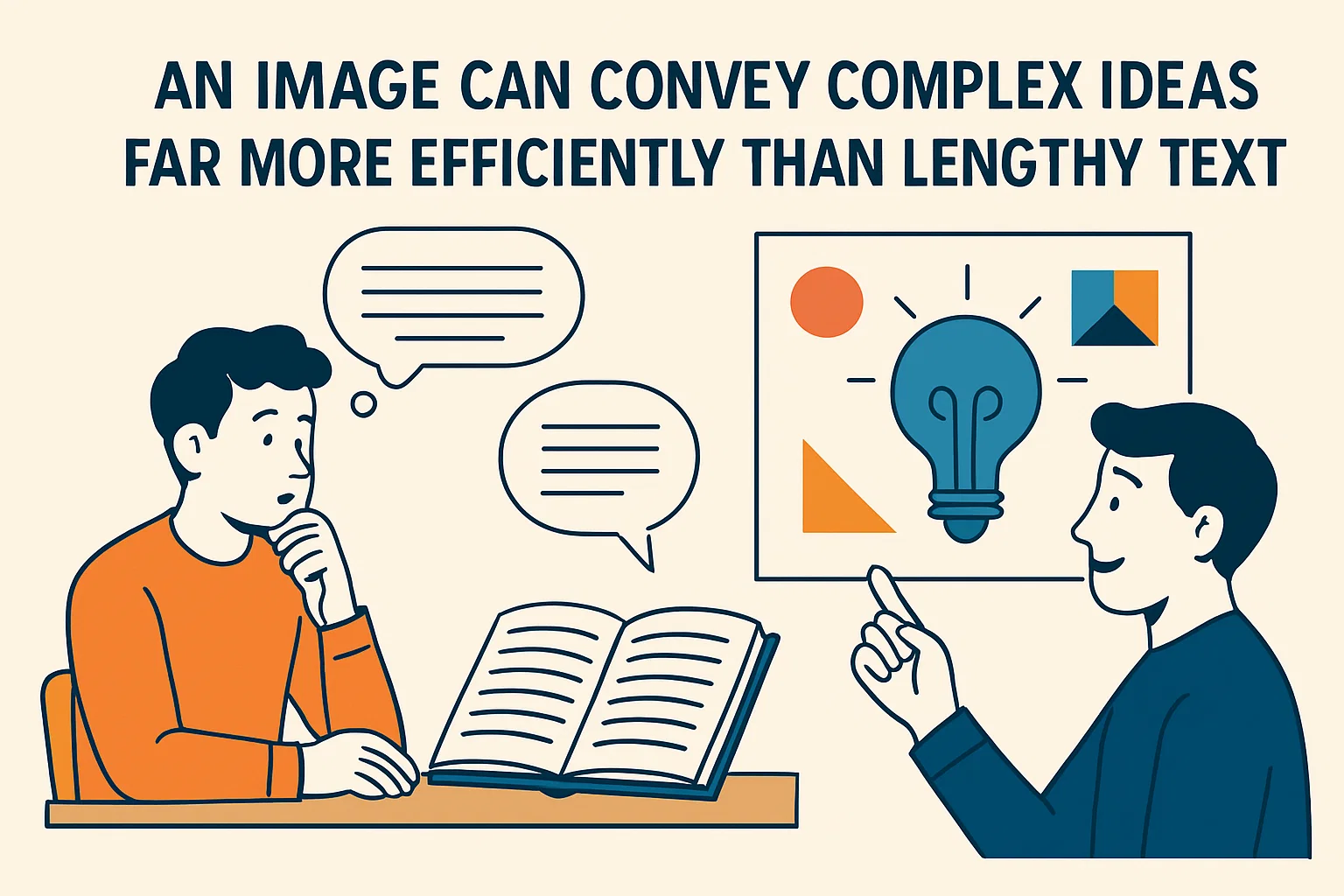
An image can convey complex ideas far more efficiently than lengthy text.
Why Image-Based Compression is a Game-Changer
Think of it like a meme. Using a single image, like the popular Drake format, we can convey a lot of information—emotion, cultural context, humor—that would otherwise take many paragraphs of text to explain. An image acts as a dense packet of information.
This is exactly what DeepSeek OCR is proving. We can take a large amount of text, which would normally consume thousands of tokens, render it as an image, and feed that single image to a Vision Language Model (VLM). The result is a massive compression of data without a significant loss of meaning or “resolution.”
Solving Core AI Bottlenecks
This efficiency directly addresses several major bottlenecks slowing down AI progress:
Memory & Context Windows: AI models have a limited “memory” or context window. As you feed them more and more information (tokens), they start to forget earlier parts of the conversation. By compressing huge amounts of text into a single image, we can effectively expand what fits into this window, allowing models to work on larger projects and codebases without performance degradation.
Training Speed & Cost: Training AI models is incredibly expensive and time-consuming, partly due to the sheer volume of data they need to process. By compressing the training data, models can be trained much faster and cheaper. This is especially crucial for research labs that may not have access to the same level of GPU resources as major US companies.
Scaling Laws: Increasing a model’s context window traditionally comes at a quadratic increase in computational cost. This new visual compression method offers a way to bypass that limitation, potentially leading to more powerful and efficient models.
Expert Insight: Andrej Karpathy on Pixels vs. Text
The significance of this paper wasn’t lost on AI expert Andrej Karpathy. In a post on X, he noted that the most interesting part of the DeepSeek OCR paper is the fundamental question it raises: “whether pixels are better inputs to LLMs than text.”
Karpathy suggests that text tokens might be “wasteful and just terrible” at the input stage. His argument is that all inputs to LLMs should perhaps only ever be images. Even if you have pure text, it might be more efficient to render it as an image first and then feed that into the model.
This approach offers several advantages:
More Information Compression: Leads to shorter context windows and greater efficiency.
More General Information Stream: An image can include not just text, but bold text, colored text, and other visual cues that are lost in plain text.
More Powerful Processing: Input can be processed with bidirectional attention by default, which is more powerful than the autoregressive method used for text.
Karpathy concludes that this paradigm shift means “the tokenizer must go,” referring to the clunky process of breaking words into tokens, which often loses context and introduces inefficiencies.
The work on DeepSeek OCR provides more than just a faster way to process documents; it offers a blueprint for a new kind of biological and informational discovery. By leveraging visual modality as an efficient compression medium, we open up new possibilities for rethinking how vision and language can be combined. This could dramatically enhance computational efficiency in large-scale text processing and agent systems, accelerating everything from financial analysis to the discovery of new cancer therapies. The future of AI might just be more visual than we ever imagined.