






Connect with us

AI Technology Explained

DeepSeek OCR: Discover the Ultimate Trick for AI Data Compression

Published

on

DeepSeek OCR

In the ever-evolving world of artificial intelligence, efficiency is king. While major announcements often come with fanfare, some of the most groundbreaking innovations arrive quietly. The latest “DeepSeek moment” is a perfect example, introducing a technology that could fundamentally change how we feed information to large language models. This new frontier is called DeepSeek OCR, and it’s a powerful exploration into optical context compression that has massive implications for the future of AI.

The vLLM project announced support for the new DeepSeek OCR model.

What is DeepSeek OCR and How Does it Work?

At its core, DeepSeek OCR (Optical Character Recognition) is a new method for compressing visual information for LLMs. Instead of feeding a model pages and pages of text (which consumes a lot of tokens), this technology converts that text into an image. The model then processes this single image, which contains all the original information but in a highly compressed format.

The implications are staggering. According to the vLLM project, this method allows for blazing-fast performance, running at approximately 2500 tokens/s on an A100-40G GPU. It can compress visual contexts up to 20x while maintaining an impressive 97% OCR accuracy.

Unpacking the Performance Gains

A performance chart for the OmniDocBench benchmark tells a compelling story. The chart plots “Overall Performance” against the “Average Vision Tokens per Image.”

  • Fewer Tokens, Better Performance: As you move to the right on the chart, the number of vision tokens used to represent an image decreases. As you move up, the overall performance gets better.
  • DeepSeek’s Dominance: The various DeepSeek OCR models (represented by red dots) form the highest curve on the graph. This demonstrates they achieve the best performance while using significantly fewer vision tokens compared to other models like GOT-OCR2.0 and MinerU2.0.

Essentially, DeepSeek has found a way to represent complex information more efficiently, which is a critical step in overcoming some of AI’s biggest hurdles.

 For more on how AI models are benchmarked, check out our articles in the AI Technology Explained category.

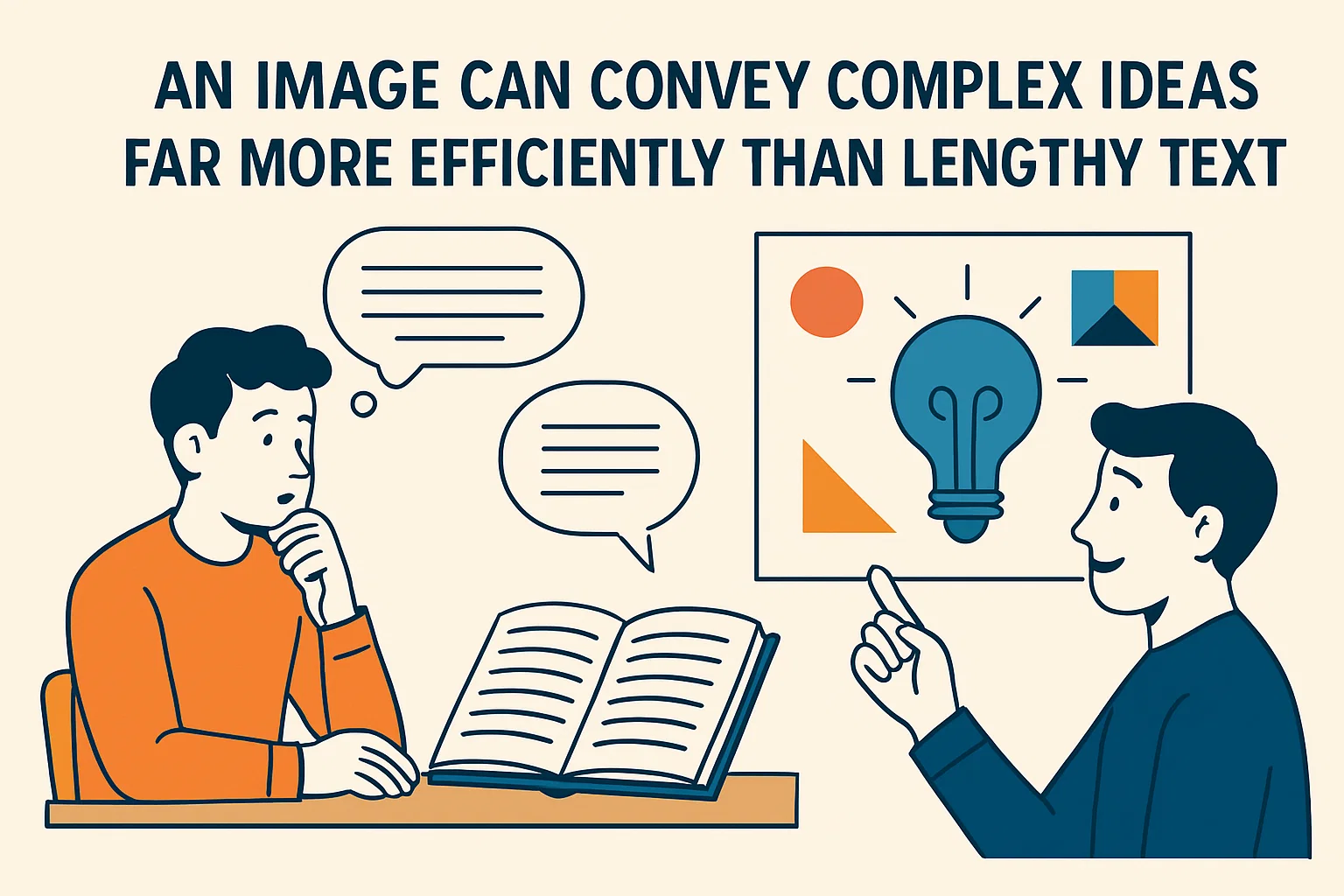
An image can convey complex ideas far more efficiently than lengthy text.

Why Image-Based Compression is a Game-Changer

Think of it like a meme. Using a single image, like the popular Drake format, we can convey a lot of information—emotion, cultural context, humor—that would otherwise take many paragraphs of text to explain. An image acts as a dense packet of information.

This is exactly what DeepSeek OCR is proving. We can take a large amount of text, which would normally consume thousands of tokens, render it as an image, and feed that single image to a Vision Language Model (VLM). The result is a massive compression of data without a significant loss of meaning or “resolution.”

Solving Core AI Bottlenecks

This efficiency directly addresses several major bottlenecks slowing down AI progress:

  1. Memory & Context Windows: AI models have a limited “memory” or context window. As you feed them more and more information (tokens), they start to forget earlier parts of the conversation. By compressing huge amounts of text into a single image, we can effectively expand what fits into this window, allowing models to work on larger projects and codebases without performance degradation.
  2. Training Speed & Cost: Training AI models is incredibly expensive and time-consuming, partly due to the sheer volume of data they need to process. By compressing the training data, models can be trained much faster and cheaper. This is especially crucial for research labs that may not have access to the same level of GPU resources as major US companies.
  3. Scaling Laws: Increasing a model’s context window traditionally comes at a quadratic increase in computational cost. This new visual compression method offers a way to bypass that limitation, potentially leading to more powerful and efficient models.

Expert Insight: Andrej Karpathy on Pixels vs. Text

The significance of this paper wasn’t lost on AI expert Andrej Karpathy. In a post on X, he noted that the most interesting part of the DeepSeek OCR paper is the fundamental question it raises: “whether pixels are better inputs to LLMs than text.”

Karpathy suggests that text tokens might be “wasteful and just terrible” at the input stage. His argument is that all inputs to LLMs should perhaps only ever be images. Even if you have pure text, it might be more efficient to render it as an image first and then feed that into the model.

This approach offers several advantages:

  • More Information Compression: Leads to shorter context windows and greater efficiency.
  • More General Information Stream: An image can include not just text, but bold text, colored text, and other visual cues that are lost in plain text.
  • More Powerful Processing: Input can be processed with bidirectional attention by default, which is more powerful than the autoregressive method used for text.

Karpathy concludes that this paradigm shift means “the tokenizer must go,” referring to the clunky process of breaking words into tokens, which often loses context and introduces inefficiencies.

 You can read Andrej Karpathy’s full thoughts on his X (Twitter) profile.

 A New Blueprint for AI

The work on DeepSeek OCR provides more than just a faster way to process documents; it offers a blueprint for a new kind of biological and informational discovery. By leveraging visual modality as an efficient compression medium, we open up new possibilities for rethinking how vision and language can be combined. This could dramatically enhance computational efficiency in large-scale text processing and agent systems, accelerating everything from financial analysis to the discovery of new cancer therapies. The future of AI might just be more visual than we ever imagined.

AI News & Updates

Revolutionizing Visuals: The New Top Banana in AI Image Generation

Revolutionizing visuals with AI image generation

Published

on

The new top banana in AI image generation - Featured Image

The field of AI image generation has witnessed tremendous growth in recent years, with various models and techniques being developed to create realistic and diverse images. As reported by The Rundown AI, the latest advancements in this field have led to the emergence of a new top banana in AI image generation. This article will delve into the details of this new development and explore its potential applications.

Introduction to AI Image Generation

AI image generation refers to the use of artificial intelligence algorithms to create images that are similar to those produced by humans. This technology has numerous applications, including computer vision, robotics, and gaming. The process of AI image generation involves training a model on a large dataset of images, which enables it to learn patterns and features that can be used to generate new images.

The New Top Banana in AI Image Generation

The New Top Banana in AI Image Generation

According to The Rundown AI, the new top banana in AI image generation is a model developed by Anthropic, a leading AI research organization. This model has demonstrated exceptional capabilities in generating high-quality images that are comparable to those produced by humans. The model’s architecture is based on a combination of deep learning and machine learning techniques, which enables it to learn complex patterns and features from large datasets.

The new top banana in AI image generation has the potential to revolutionize the field of computer vision and enable the development of more sophisticated AI-powered applications.

Applications of AI Image Generation
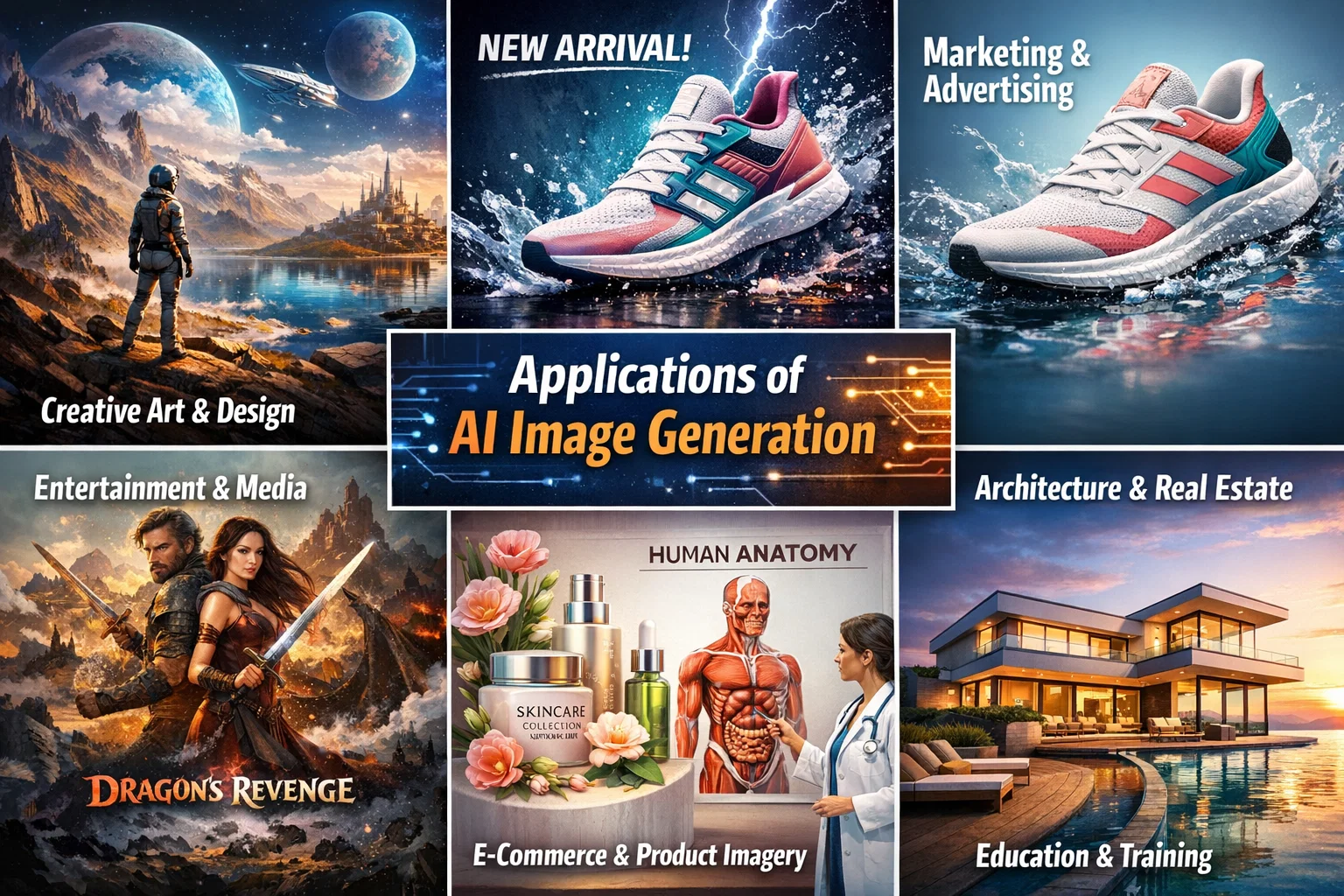
Applications of AI Image Generation

The applications of AI image generation are diverse and widespread. Some of the most significant applications include computer vision, robotics, gaming, and healthcare. In computer vision, AI image generation can be used to create synthetic images that can be used to train models for object detection, segmentation, and recognition. In robotics, AI image generation can be used to create realistic simulations of environments, which can be used to train robots to navigate and interact with their surroundings.

Creating an AI Assistant with its Own Phone Number

In addition to AI image generation, The Rundown AI also provides information on how to create an AI assistant with its own phone number. This can be achieved using a combination of natural language processing and machine learning techniques, which enable the AI assistant to understand and respond to voice commands. The AI assistant can be integrated with various platforms, including GitHub, to enable seamless communication and interaction.

Conclusion

In conclusion, the new top banana in AI image generation has the potential to revolutionize the field of computer vision and enable the development of more sophisticated AI-powered applications. The applications of AI image generation are diverse and widespread, and the technology has the potential to transform various industries, including healthcare, gaming, and robotics. As reported by The Rundown AI, the future of AI image generation looks promising, and we can expect to see significant advancements in this field in the coming years.

Continue Reading

AI How-To's & Tricks

Cursor Plugin Marketplace Revolutionizes AI Agents with External Tools

Extend AI agents with external tools using Cursor plugin marketplace

Published

on

Cursor launches plugin marketplace to extend AI agents with external tools- cursor.com - Featured Image

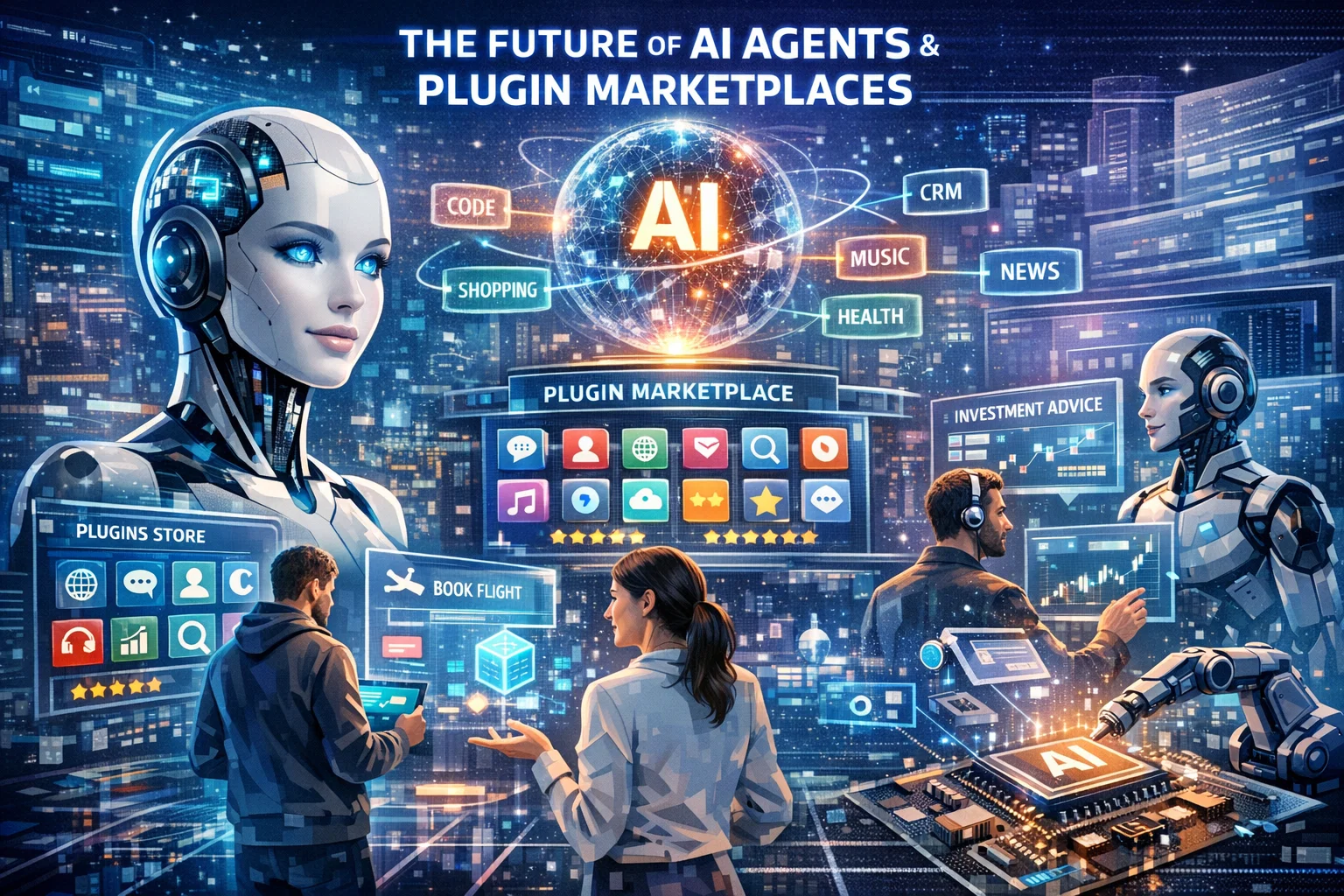
The recent launch of the Cursor plugin marketplace is a significant development in the field of artificial intelligence, enabling users to extend the capabilities of AI agents with external tools. As reported by FutureTools News, this innovative platform is set to transform the way AI agents are used in various industries. The plugin marketplace is designed to provide users with a wide range of tools and services that can be seamlessly integrated with AI agents, enhancing their functionality and performance.

Introduction to Cursor Plugin Marketplace

The Cursor plugin marketplace is an online platform that allows developers to create, share, and deploy plugins for AI agents. These plugins can be used to add new features, improve existing ones, or even create entirely new applications. With the launch of this marketplace, Cursor is providing a unique opportunity for developers to showcase their skills and creativity, while also contributing to the growth of the AI ecosystem. As mentioned on the Cursor blog, the plugin marketplace is an essential component of the company’s strategy to make AI more accessible and user-friendly.

Benefits of the Plugin Marketplace

The Cursor plugin marketplace offers several benefits to users, including the ability to extend the capabilities of AI agents, improve their performance and efficiency, and enhance their overall user experience. By providing access to a wide range of plugins, the marketplace enables users to tailor their AI agents to meet specific needs and requirements. This can be particularly useful in industries such as customer service, healthcare, and finance, where AI agents are increasingly being used to automate tasks and improve decision-making. As noted by experts in the field, the use of machine learning and natural language processing can significantly enhance the capabilities of AI agents.

Key Features of the Plugin Marketplace

Key Features of the Plugin Marketplace

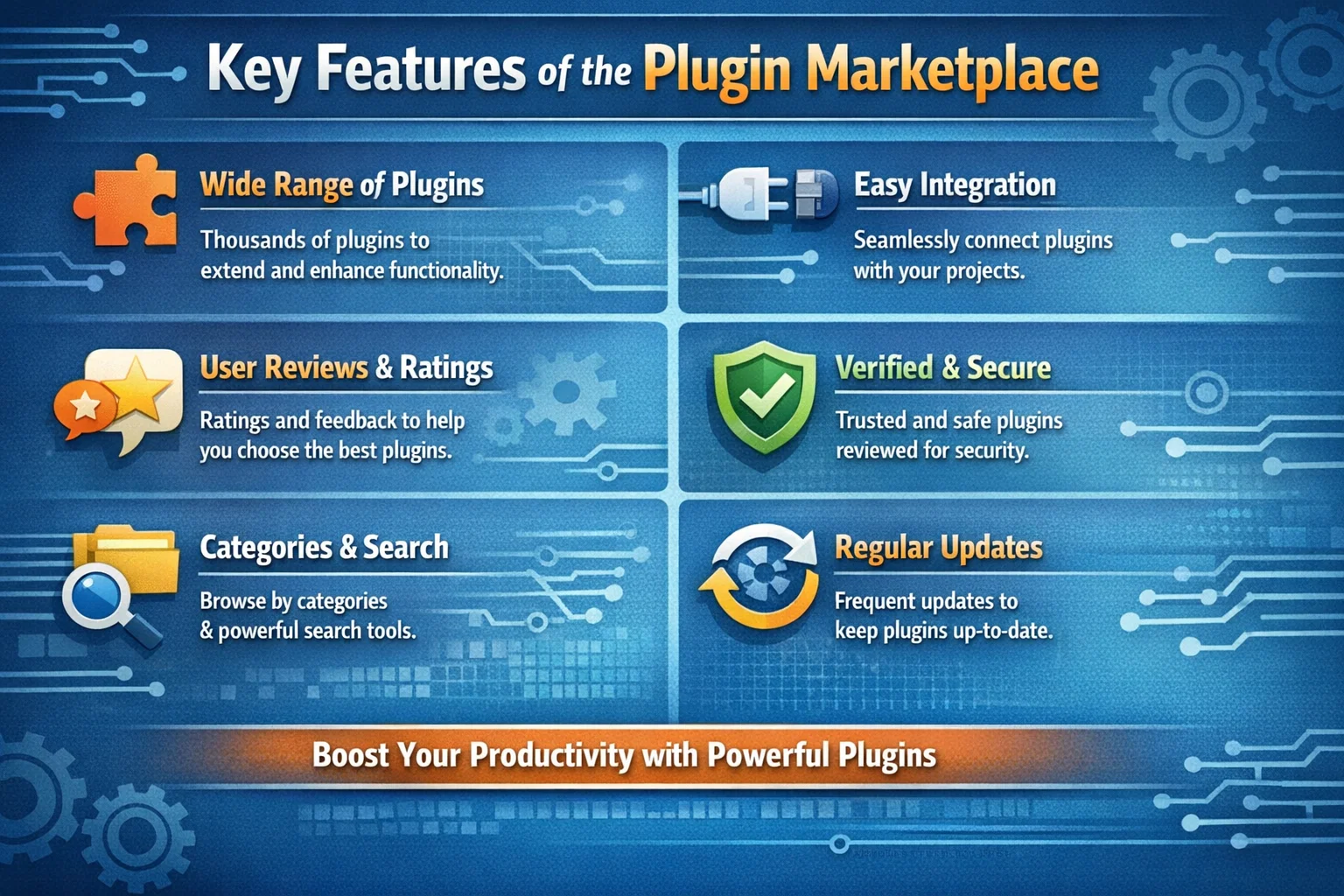
The Cursor plugin marketplace features a user-friendly interface, making it easy for developers to create, deploy, and manage plugins. The platform also provides a range of tools and services, including APIs, SDKs, and documentation, to support plugin development. Additionally, the marketplace includes a review and rating system, allowing users to evaluate and compare plugins based on their quality, functionality, and performance. As stated by the GitHub community, the use of open-source plugins can significantly accelerate the development of AI applications.

The launch of the Cursor plugin marketplace is a significant milestone in the development of AI agents, and we are excited to see the innovative plugins that will be created by our community of developers. – Cursor Team

Future of AI Agents and Plugin Marketplaces

Future of AI Agents and Plugin Marketplaces

The launch of the Cursor plugin marketplace is a clear indication of the growing importance of AI agents and plugin marketplaces in the technology industry. As AI continues to evolve and improve, we can expect to see more innovative applications and use cases emerge. The use of cognitive services and conversational AI can significantly enhance the capabilities of AI agents, enabling them to interact more effectively with humans and perform complex tasks. As reported by FutureTools News, the future of AI agents and plugin marketplaces looks promising, with significant opportunities for growth and innovation.

Continue Reading

AI Technology Explained

What is Machine Learning? The Ultimate Guide to AI’s Core

Published

on

Ever wondered what is machine learning and how it powers everything from your YouTube recommendations to complex chatbots? You’ve likely got a basic idea: it’s the tech that learns your preferences. But how does it really work, and how does it relate to Artificial Intelligence (AI) and Deep Learning? Let’s break it down into simple, easy-to-understand concepts.

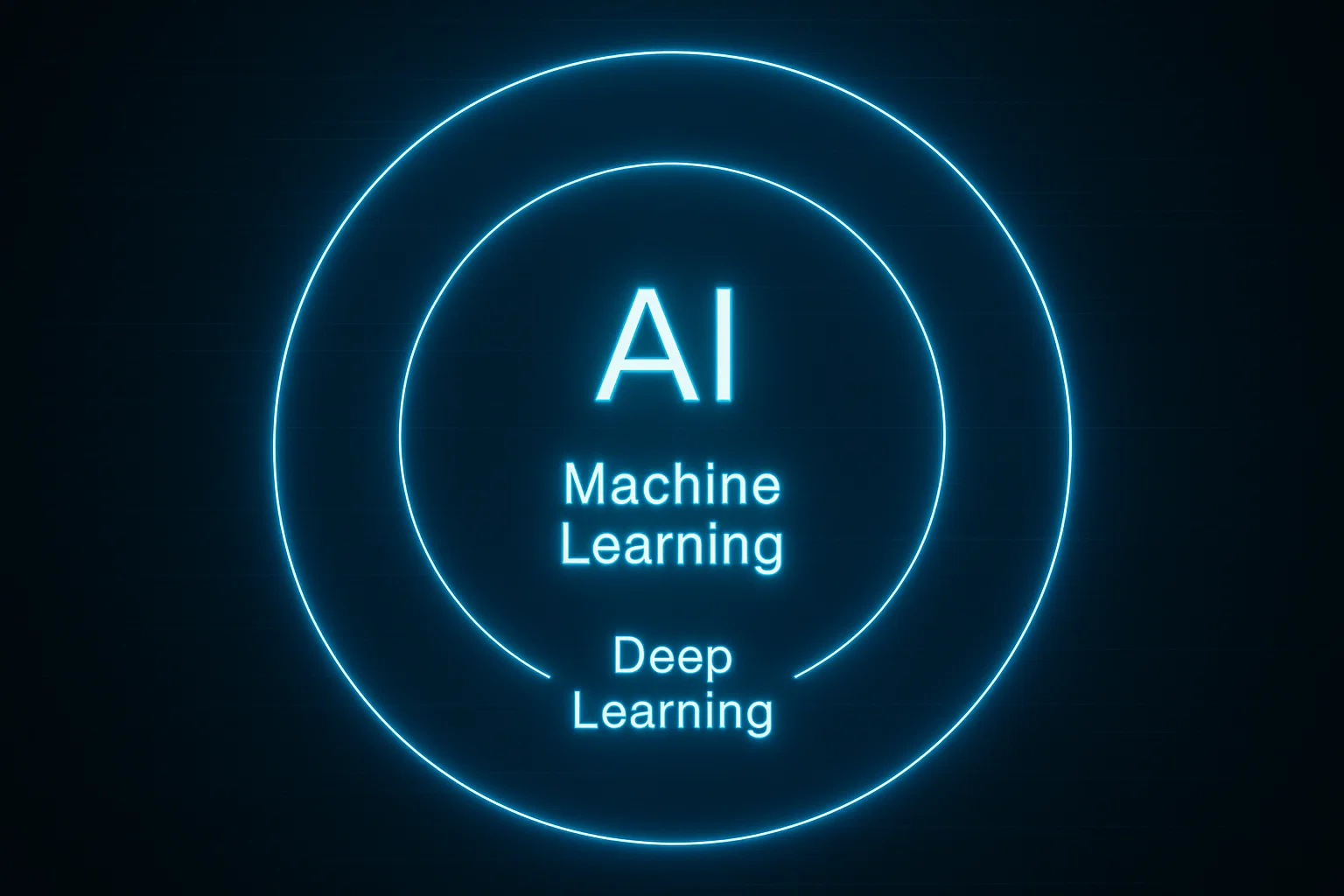
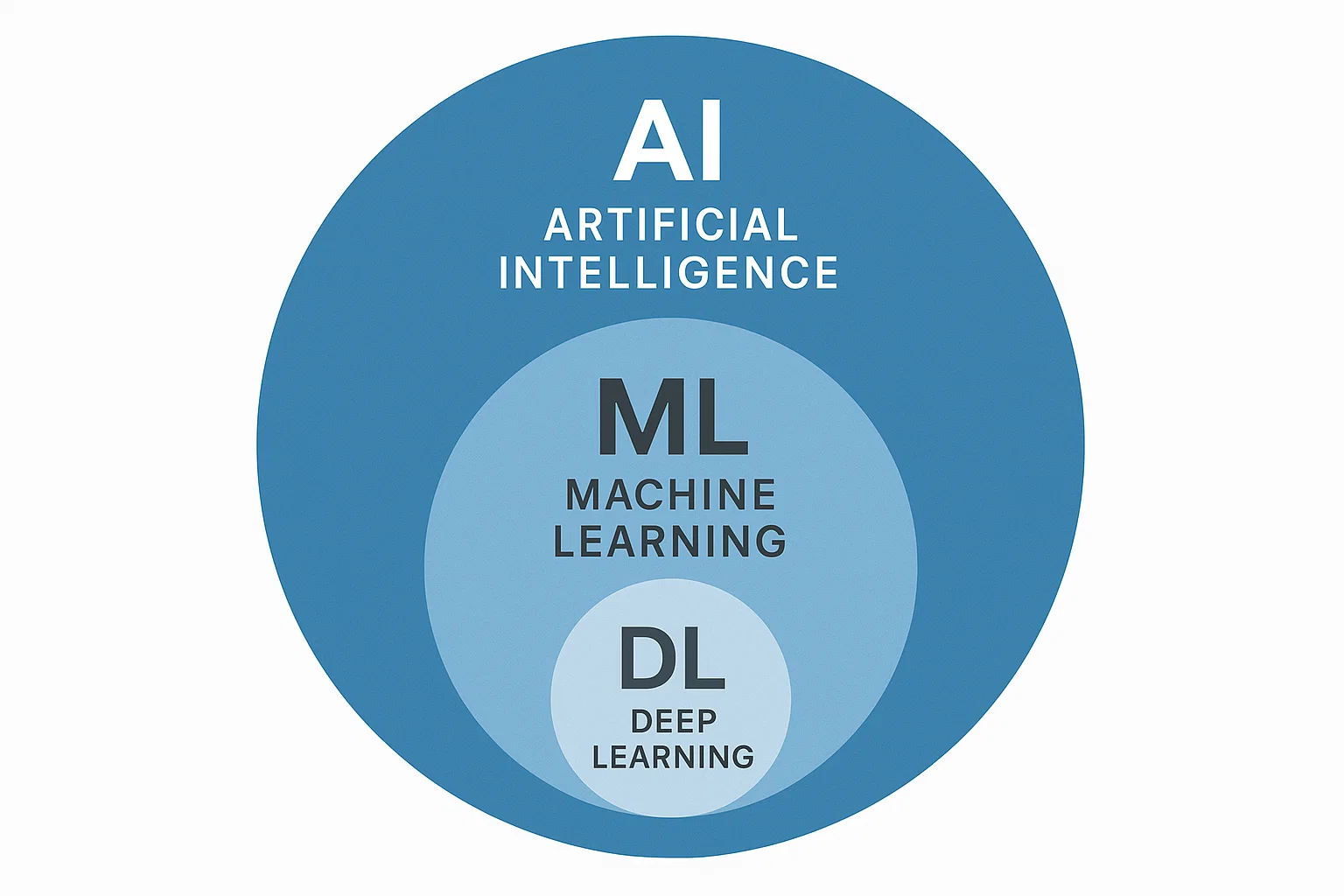
Machine Learning (ML) is a subset of Artificial Intelligence (AI), and Deep Learning (DL) is a further subset of ML.

The Hierarchy: AI, Machine Learning (ML), and Deep Learning (DL)

A common point of confusion is whether AI and Machine Learning are the same thing. The simple answer is no; it’s a hierarchy.

  • Artificial Intelligence (AI): This is the broadest concept, representing the entire field of making machines intelligent.
  • Machine Learning (ML): This is a subset of AI. ML focuses specifically on algorithms that can learn from patterns in training data to make accurate predictions or decisions about new, unseen data. Instead of being explicitly programmed with hard-coded instructions, the machine learns through pattern recognition.
  • Deep Learning (DL): This is a subset of Machine Learning. It uses complex structures called neural networks with many layers to learn hierarchical representations of data.

Think of it as a set of Russian nesting dolls: AI is the largest doll, you open it to find the ML doll, and inside that, you find the DL doll.

How Machines Learn: Training vs. Inference

The central idea of machine learning is that if you optimize a machine’s performance on a set of tasks using data that resembles the real world, it can make accurate predictions on new data. This process involves two key stages:

  1. Model Training: This is the learning phase. A model is fed a large amount of “training data.” The algorithm analyzes this data, identifies patterns, and learns the rules on its own. For example, it might learn to distinguish between pictures of cats and dogs by analyzing thousands of labeled images.
  2. AI Inference: This is the application phase. Once the model is fully trained, it can be deployed. When you feed this trained model new data, it uses the patterns it learned to “infer” an output or make a prediction. This is where the model actually runs and performs its task.

Essentially, a trained model is simply applying the patterns it learned from training data to make an intelligent guess about the correct output for a real-world task.

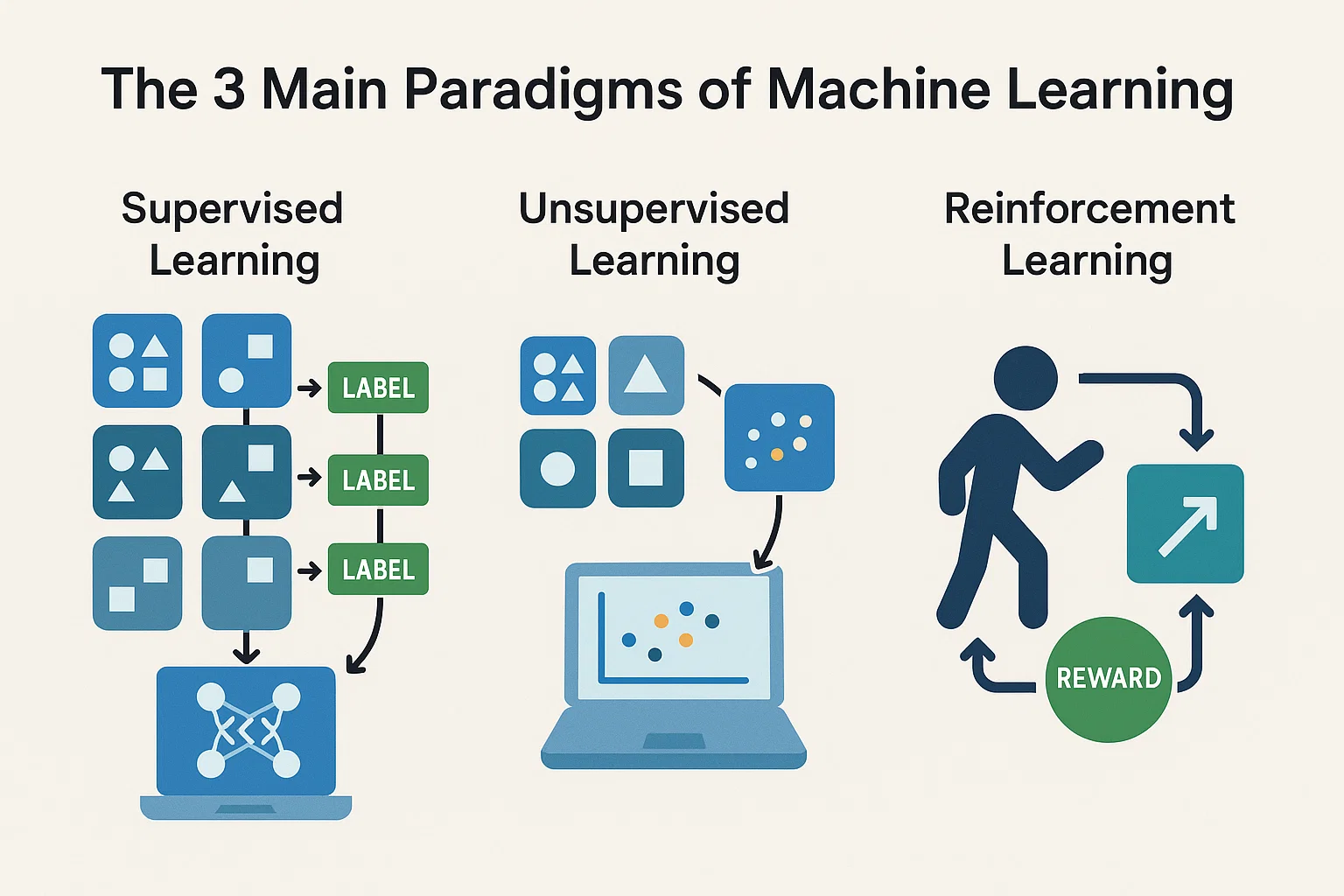
The 3 Main Paradigms of Machine Learning

Most machine learning approaches can be grouped into three primary learning paradigms. Understanding these helps clarify how different AI systems are built.

The 3 Main Paradigms of Machine Learning

1. Supervised Learning

This is the most common type of machine learning. In supervised learning, the model is trained on a dataset where the “correct” answers are already known. This data is “labeled.” For instance, a dataset of emails might be labeled as either “Spam” or “Not Spam.” The model learns the features of each category to classify new, unlabeled emails. It’s called “supervised” because it often requires a human to provide the initial labeled data (the ground truth).

Supervised learning is typically used for two types of tasks:

  • Classification: Used for predicting discrete classes. For example, is this email spam or not? This can be Binary (two options), Multi-Class (predicting one of many categories), or Multi-Label (assigning multiple tags to one item).
  • Regression: Used for predicting continuous numerical values. Examples include predicting a house price, forecasting temperature, or estimating future sales.

For a deeper dive into how these models are built, check out our guides in AI How-To’s & Tricks.

2. Unsupervised Learning

Unlike supervised learning, unsupervised learning works with unlabeled data. The goal here is for the model to discover hidden structures and patterns on its own, without any pre-existing “correct answers.”

Common tasks for unsupervised learning include:

  • Clustering: Grouping similar data points together. For example, segmenting customers into different groups based on their purchasing behavior.
  • Dimensionality Reduction: Reducing the number of variables (features) in a dataset while retaining the important information. This simplifies the data for easier processing and visualization.

3. Reinforcement Learning

Reinforcement Learning is a fascinating paradigm where a model (or “agent”) learns by interacting with an environment. It’s based on a system of trial and error.

  • The agent observes the current State of the environment.
  • It chooses an Action to perform.
  • It receives a Reward for a good action or a Penalty for a bad one.

Over time, the agent learns a “policy” or strategy that maximizes its long-term rewards. A perfect example is a self-driving car. It gets rewarded for staying in its lane and obeying traffic signals but gets penalized for hard braking or, even worse, collisions. This feedback loop helps it learn to navigate the world safely and efficiently.

The evolution of this technique has led to breakthroughs you can read about in our Future of AI & Trends section.

From Classic ML to Modern AI

While many of these concepts, like regression and clustering, have been around for years and are still fundamental to business analytics, they also form the bedrock of today’s most advanced AI. Modern marvels like Large Language Models (LLMs) are built on top of an architecture called a Transformer, but they still rely on the core principles of pattern recognition, model training, and inference.

Even Reinforcement Learning has seen a resurgence with RLHF (Reinforcement Learning with Human Feedback), a technique used to fine-tune LLMs to better align with human preferences. This just goes to show that human learning continues to find incredible new ways to apply and scale the foundational concepts of machine learning.

 To understand the architecture powering modern LLMs, you can explore the original Google Research paper on Transformers here.

Continue Reading

Trending