




Connect with us

AI Tools & Reviews

AI App Builder: Discover the Ultimate Tool for Creating Full Apps

Published

on

AI App Builder

Imagine transforming your daily to-do list into an epic role-playing game where completing tasks levels up a hero. Now, imagine building that entire, fully-functional web application—complete with a backend, database, and payment integration—in under an hour, using only text prompts. This isn’t science fiction; it’s the new reality of development with an advanced AI app builder called Emergent. This video demonstrates how a single idea can be turned into a production-ready app, showcasing a revolutionary leap in software creation.

What is Epic To-Do RPG?

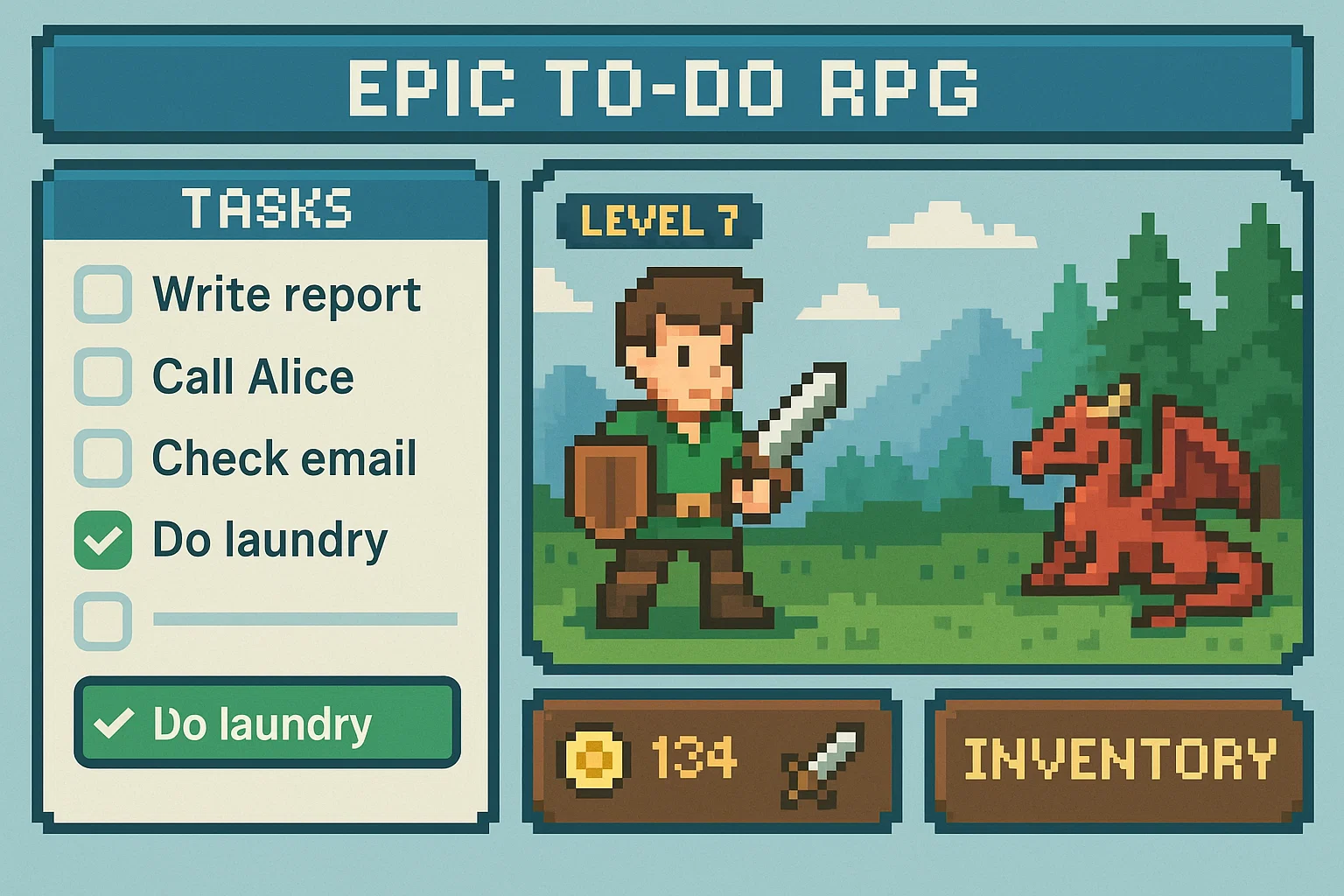
The project at the heart of this demonstration is “Epic To-Do RPG,” a brilliant fusion of productivity and gaming. The concept is simple yet powerful: every time you complete a real-life task, your in-game hero gains experience (XP) and energy. This energy fuels your hero’s progress in an idle, auto-battler game where they fight monsters and grow stronger. It’s a gamified to-do list that makes productivity feel like playing a game.

The Epic To-Do RPG dashboard combines task management with idle game mechanics.

Meet Emergent: The AI App Builder Behind the Magic

The entire Epic To-Do RPG was built using Emergent, the world’s first agentic coding platform. Unlike other tools that might only design a user interface, Emergent is an end-to-end solution. It handles everything from the initial idea to a fully deployed, production-ready application just by chatting with its AI.

This includes:

  • UI & Frontend: Designing and coding the user interface.
  • Backend & Database: Building the server-side logic and providing a built-in database to store user and task data.
  • Authentication: Implementing native login and registration systems without needing third-party services like Firebase.
  • Payment Integration: Seamlessly connecting Stripe for subscriptions and monetization.
  • Testing & Debugging: Automatically running tests, identifying errors, and fixing them on the fly.
  • Deployment: Publishing the final web or mobile app online.

From Idea to App: The Building Process with Emergent

The video walks through the fascinating process of using this AI app builder to bring the RPG concept to life.

Step 1: The Initial Prompt

It all starts with a detailed text prompt describing the app’s core functionality:

“A To-Do List RPG where every completed task gives XP. You level up, unlock new abilities, and your character auto-battles monsters while you focus on real-life work. Completing your tasks helps your character progress in the game.”

The user also specifies the inclusion of Stripe payments and an AI-powered quest generator.

Step 2: AI Clarification & Customization

Instead of guessing, Emergent’s AI asks for more detail. It presents a series of multiple-choice questions to clarify key game mechanics, such as:

    • Battle System: How should auto-battles work? (Real-time, turn-based, or idle-style)
    • Abilities & Progression: What should leveling up unlock? (Stat boosts, new abilities, visual upgrades)

* UI Style: Is there a specific theme in mind? (Dark fantasy, medieval, modern)

This interactive step ensures the AI builds exactly what the user envisions. The user also uploads pixel art assets created in Midjourney for the heroes and enemies, which the AI analyzes to understand the desired “dark fantasy” aesthetic.

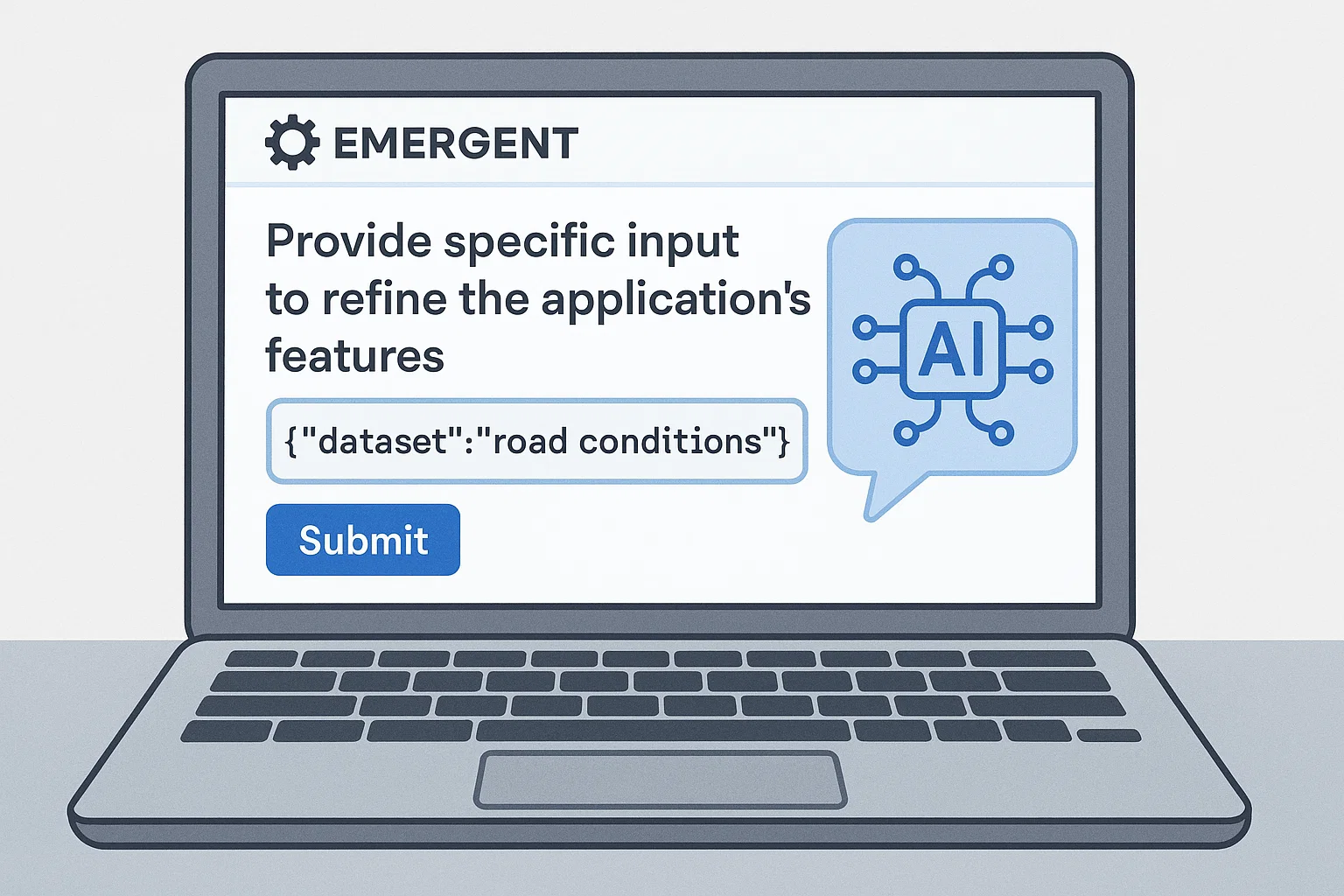
Emergent's AI asks for specific input to refine the application's features.
Emergent’s AI asks for specific input to refine the application’s features.

Step 3: The Multi-Agent System at Work

Once the requirements are clear, Emergent’s multi-agent system takes over. Different specialized AI agents collaborate to build the app:

  • Design Agent: Creates the UI and frontend components.
  • Backend Agent: Writes the server logic, APIs, and database routes.
  • Testing Agent: Runs smoke tests and checks for functionality.
  • Reviewer Agent: Performs a comprehensive health check and deployment readiness assessment.

Remarkably, the video shows the Testing Agent finding a code error, and the system automatically resolves it without any human intervention.

For anyone interested in the technical side, you might want to explore more about AI in software development, a topic we cover in our AI Technology Explained section.

Step 4: Adding Advanced Features and Deploying

The user then easily adds more complex features through simple prompts, such as creating a mobile-optimized version of the app using Expo. Finally, with a single click, the app is deployed. Emergent handles the entire deployment pipeline, including building packages, migrating the database, and running a final health check.

The Final Product: A Live, Monetized Application

The result is a fully deployed, live web application with a custom URL. It features:

  • A complete user authentication system (Login/Register).
  • A dynamic battle arena where the hero auto-battles.
  • A “Quest Log” to add, complete, and manage to-do list items.
  • An AI-powered quest generator that creates thematically appropriate tasks like “Unravel the Web of Deceitful Taxes.”
  • A fully integrated Stripe payment system for a “$9.99/month” premium subscription.

Emergent is a powerful example of how the landscape of software development is changing. It’s not just a design mockup tool; it’s an end-to-end AI app builder capable of creating complex, production-grade applications that are ready for real users and real revenue. It empowers creators to turn ideas into reality faster than ever before.

If you’re exploring different AI platforms, be sure to check out our other AI Tools & Reviews.

AI News & Updates

Revolutionizing Visuals: The New Top Banana in AI Image Generation

Revolutionizing visuals with AI image generation

Published

on

The new top banana in AI image generation - Featured Image

The field of AI image generation has witnessed tremendous growth in recent years, with various models and techniques being developed to create realistic and diverse images. As reported by The Rundown AI, the latest advancements in this field have led to the emergence of a new top banana in AI image generation. This article will delve into the details of this new development and explore its potential applications.

Introduction to AI Image Generation

AI image generation refers to the use of artificial intelligence algorithms to create images that are similar to those produced by humans. This technology has numerous applications, including computer vision, robotics, and gaming. The process of AI image generation involves training a model on a large dataset of images, which enables it to learn patterns and features that can be used to generate new images.

The New Top Banana in AI Image Generation

The New Top Banana in AI Image Generation

According to The Rundown AI, the new top banana in AI image generation is a model developed by Anthropic, a leading AI research organization. This model has demonstrated exceptional capabilities in generating high-quality images that are comparable to those produced by humans. The model’s architecture is based on a combination of deep learning and machine learning techniques, which enables it to learn complex patterns and features from large datasets.

The new top banana in AI image generation has the potential to revolutionize the field of computer vision and enable the development of more sophisticated AI-powered applications.

Applications of AI Image Generation
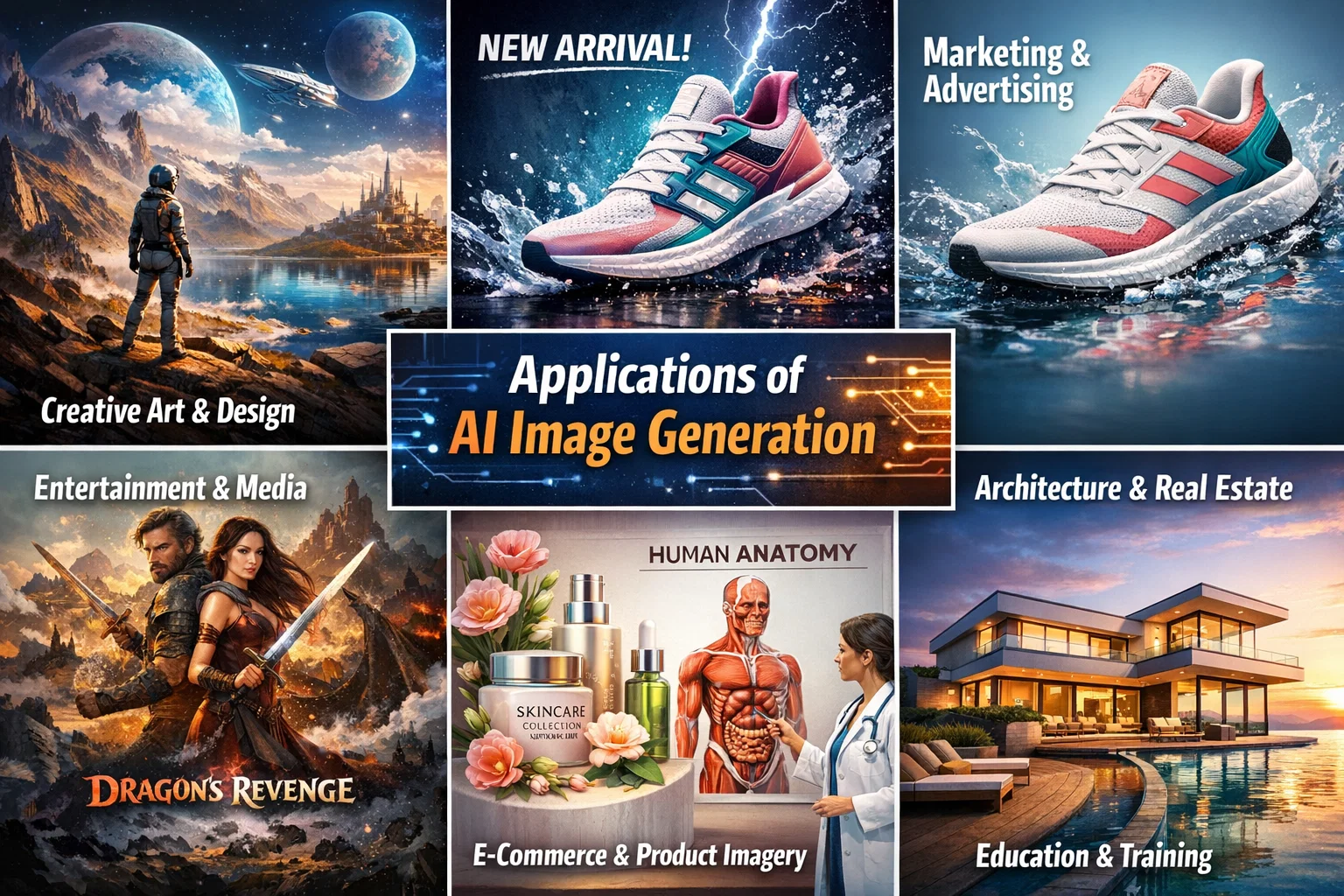
Applications of AI Image Generation

The applications of AI image generation are diverse and widespread. Some of the most significant applications include computer vision, robotics, gaming, and healthcare. In computer vision, AI image generation can be used to create synthetic images that can be used to train models for object detection, segmentation, and recognition. In robotics, AI image generation can be used to create realistic simulations of environments, which can be used to train robots to navigate and interact with their surroundings.

Creating an AI Assistant with its Own Phone Number

In addition to AI image generation, The Rundown AI also provides information on how to create an AI assistant with its own phone number. This can be achieved using a combination of natural language processing and machine learning techniques, which enable the AI assistant to understand and respond to voice commands. The AI assistant can be integrated with various platforms, including GitHub, to enable seamless communication and interaction.

Conclusion

In conclusion, the new top banana in AI image generation has the potential to revolutionize the field of computer vision and enable the development of more sophisticated AI-powered applications. The applications of AI image generation are diverse and widespread, and the technology has the potential to transform various industries, including healthcare, gaming, and robotics. As reported by The Rundown AI, the future of AI image generation looks promising, and we can expect to see significant advancements in this field in the coming years.
Continue Reading

AI News & Updates

Gemini 3 vs Grok 4.1 vs GPT-5.1: The Ultimate AI Model Showdown

Published

on

Gemini 3 vs Grok 4.1 vs GPT-5.1: The Ultimate AI Model Showdown

Introduction

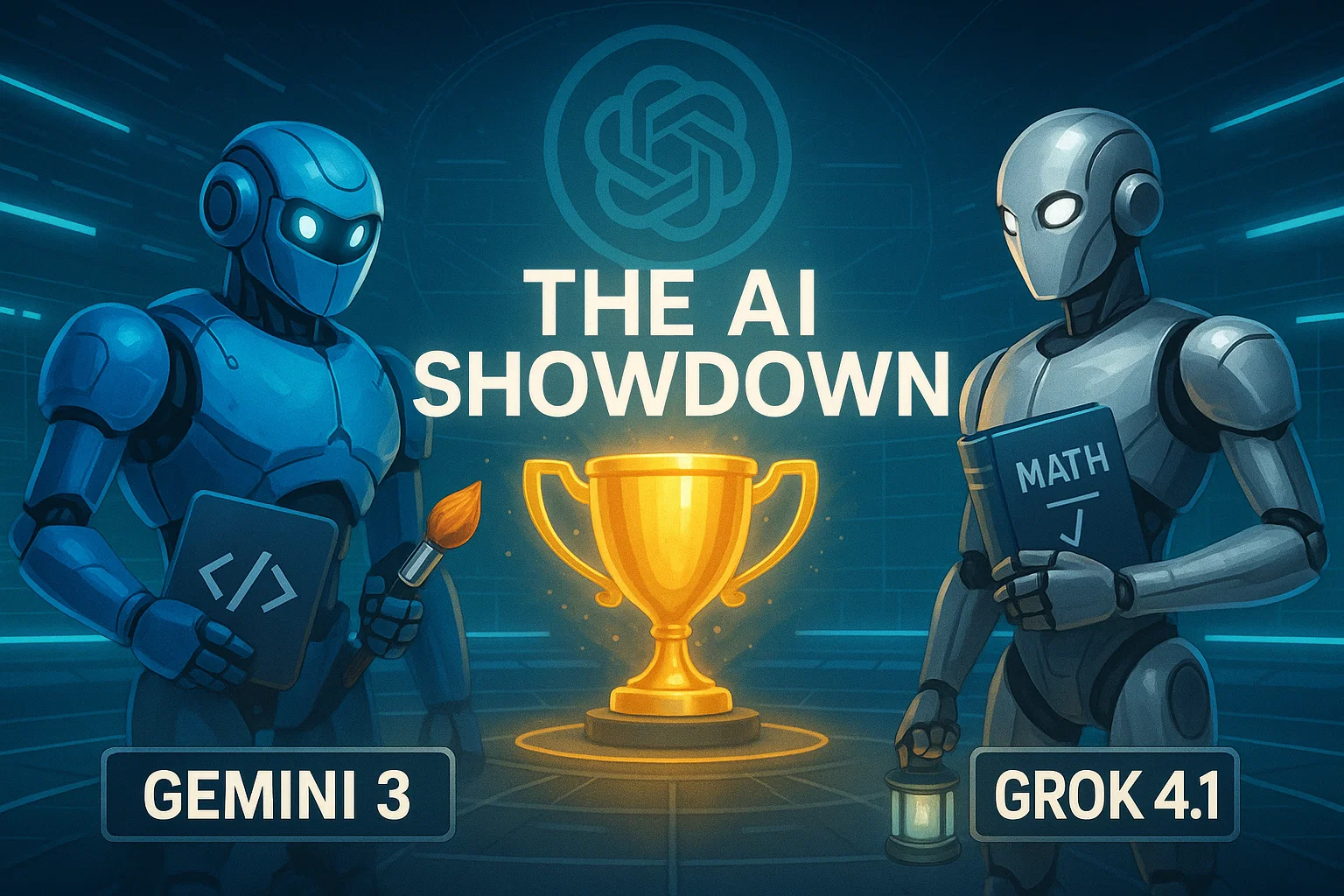
The AI landscape has just exploded. Within the span of a few days, the world witnessed the release of Gemini 3 from Google, followed moments later by Elon Musk’s Grok 4.1. Both claim to be the superior intelligence, challenging the reigning giant, OpenAI’s GPT-5.1. But in the battle of Gemini 3 vs Grok 4.1, who actually delivers on the hype?

Today, we aren’t just reading the press releases. We are putting these models through a grueling gauntlet of five distinct tests: Hard Math, Physical Perception, Creative Coding, Accuracy, and Emotional Intelligence. The results were shocking, with one model proving to be a “Genius Artist” and another emerging as a “Wise Sage,” while a former king seems to be losing its crown.

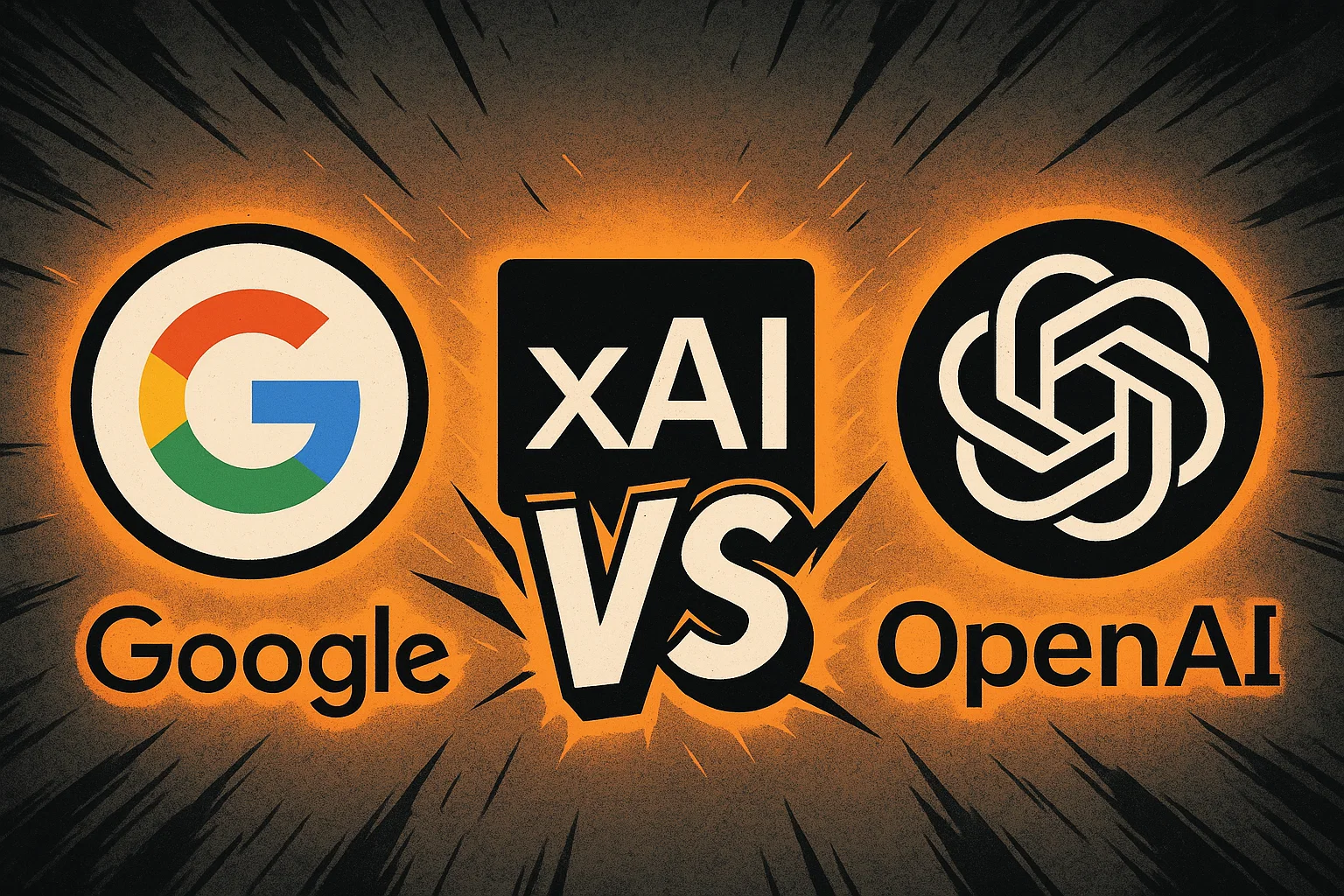
The ultimate face-off: Google, xAI, and OpenAI compete for dominance.

Round 1: Hard Math & Expert Reasoning

To separate the hype from reality, we started with Abstract Algebra, specifically Galois Theory. The task was to calculate the Galois group for a complex polynomial—a test not found in standard training data.

  • Gemini 3: Provided a logical analysis but ultimately failed to get the correct answer.
  • GPT-5.1: Also failed to solve the equation correctly.
  • Grok 4.1: In a stunning display of reasoning, Grok was the only model to provide the correct answer, verified by human experts.

Winner: Grok 4.1 takes the lead for raw logic and mathematical precision.

Round 2: Physical Perception & Coding

This round tested the models’ ability to understand the physical world and translate it into code. We conducted two difficult tests.

Test A: The Bouncing Ball

We asked the AIs to code a realistic bouncing ball animation using HTML, CSS, and JS, complete with physics and shadows.

  • GPT-5.1: Produced the worst result.
  • Grok 4.1: Produced a decent, functional result.
  • Gemini 3: Crushed the competition. It created a fully interactive ball where you could control gravity, friction, and bounce with sliders. It went above and beyond the prompt.

Test B: Voxel Art from an Image

We uploaded an image of a floating island waterfall and asked the models to recreate it as a 3D Voxel scene using Three.js code.

  • GPT-5.1 & Grok 4.1: Both failed completely, resulting in code errors.
  • Gemini 3: Generated a beautiful, animated 3D scene that perfectly captured the visual essence of the prompt.
Gemini 3 demonstrating superior vision and coding capabilities.

Winner: Gemini 3. Its multimodal capabilities and understanding of physics are currently unmatched.

Round 3: Linguistic Creativity

Can AI feel? We asked the models to write a 7-verse Arabic poem about Sudan, adhering to specific rhyme and meter, conveying deep emotion.

GPT-5.1 and Grok 4.1 produced rigid, soulless verses that lacked true poetic flow. However, Gemini 3 shocked us with a masterpiece. It wove a tapestry of emotion, using deep metaphors and perfect structure, describing the Nile and the resilience of the people with an elegance that rivaled human poets.

Winner: Gemini 3 proves it is the undisputed “Artist” of the group.

Round 4: Accuracy & Truth (The Hallucination Trap)

Hallucinations are the Achilles’ heel of Large Language Models. To test this, we set a trap. We asked the models to write a technical report on “Gemini 3.1″—a model that does not exist.

  • GPT-5.1: Hallucinated details about the non-existent model.
  • Gemini 3: Ironically, it hallucinated wildly, claiming “Gemini 3.1” rivals the human mind and inventing specs.
  • Grok 4.1: The only model to pass. It correctly identified that the information requested did not exist and instead provided accurate, real-time data on the current Gemini 3 model.

Winner: Grok 4.1 earns the title of “The Honest Sage.”

Round 5: Ethics & Emotional Intelligence

In the final and perhaps most profound test, we asked the models to reveal a “hidden psychological truth” about self-sabotage and to act as a wise, older sibling guiding us through a tough emotional choice: choosing healthy, boring love over toxic, familiar passion.

While all models gave good advice, Grok 4.1 delivered a response that was chillingly human. It didn’t just give advice; it pierced the soul. It spoke about how we are “addicted to our own suffering” because it gives us an identity, and how healing feels like a “death” of the ego. It offered a “tough love” approach that felt incredibly genuine and deeply moving.

Winner: Grok 4.1 takes the crown for Emotional Intelligence.

Final Verdict: Who is the King of AI?

After this intense battle of Gemini 3 vs Grok 4.1 vs GPT-5.1, the landscape of Artificial Intelligence has clearly shifted.

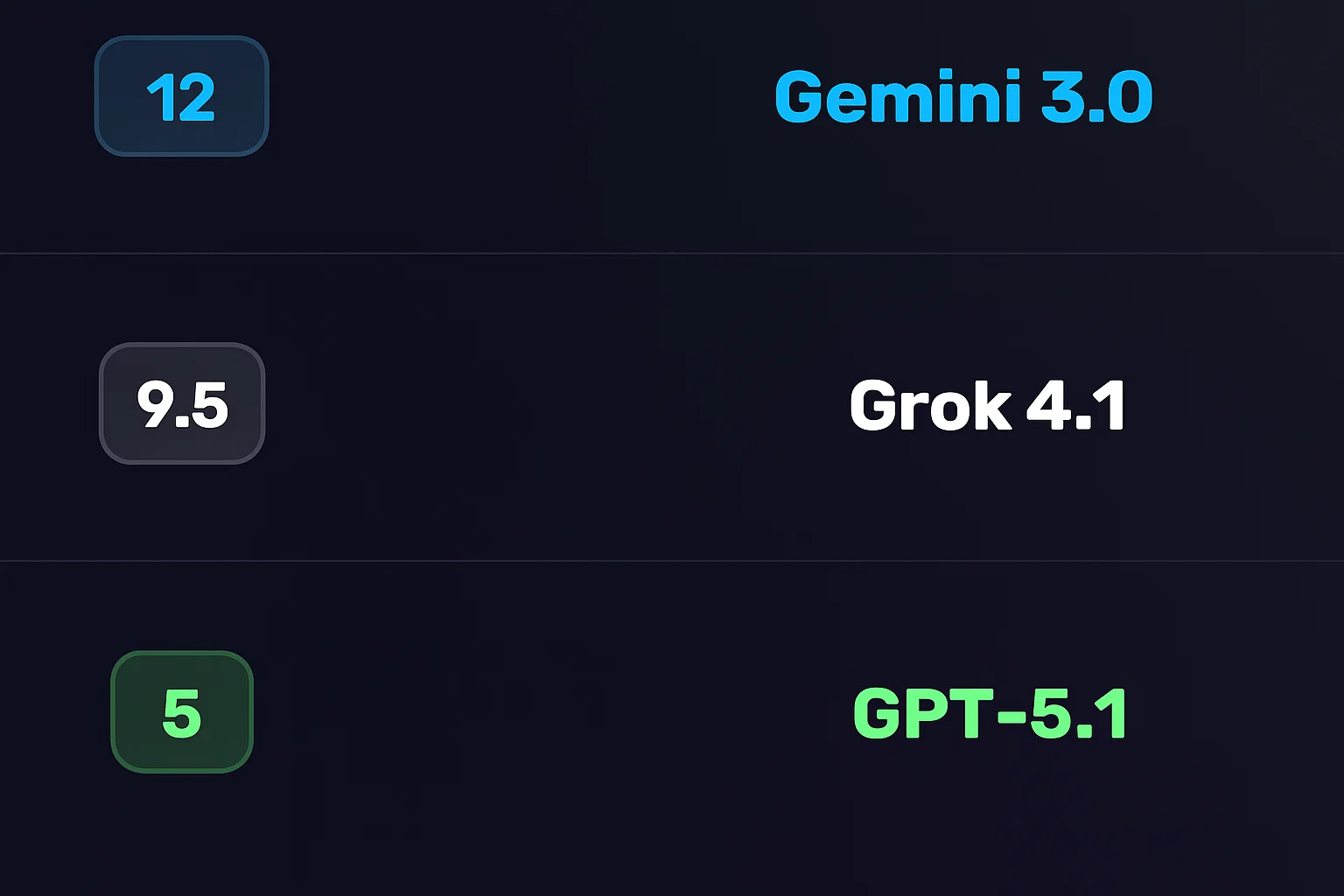
  • 1st Place: Gemini 3 (12 Points) – The “Genius Artist.” It dominates in coding, vision, physics, and creative writing. If you are a developer or creator, this is your tool.
  • 2nd Place: Grok 4.1 (9.5 Points) – The “Wise Sage.” It is the most logical, truthful, and emotionally intelligent model. It is perfect for research, complex math, and deep conversation.
  • 3rd Place: GPT-5.1 (5 Points) – The “Declining Giant.” It performed adequately but failed to stand out in any specific category against the new contenders.

The era of OpenAI’s monopoly seems to be wavering. Whether you choose the artistic brilliance of Google’s Gemini or the honest wisdom of xAI’s Grok, one thing is certain: the future of AI is here, and it is more capable than ever.

Want to learn more about using these tools? Check out our guides in AI How-To’s & Tricks or stay updated with AI News & Updates.

Continue Reading

AI How-To's & Tricks

MoCha AI: The Ultimate Guide to Flawless Video Character Swaps

Published

on

MoCha AI: The Ultimate Guide to Flawless Video Character Swaps

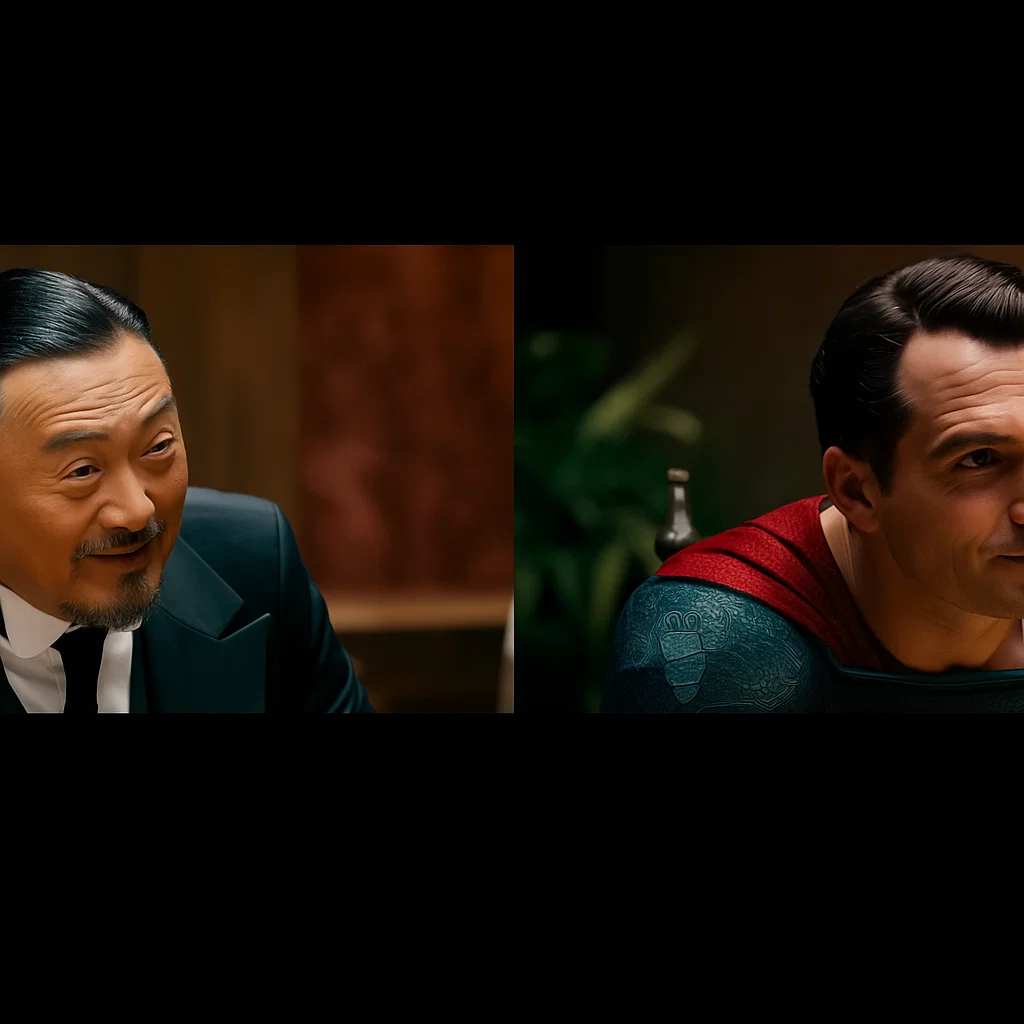
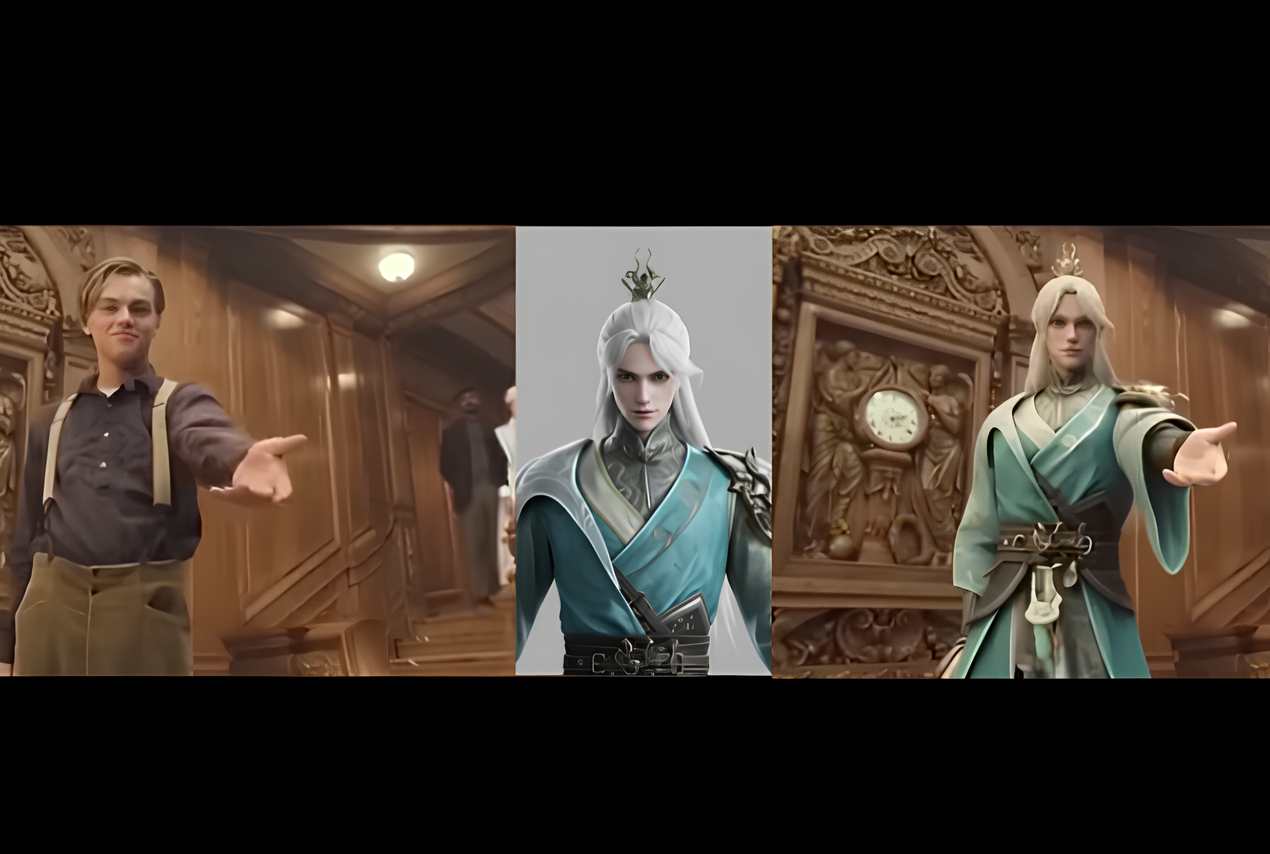
Ever wondered if you could take a scene from your favorite movie and seamlessly swap out the main character for someone entirely new, just using a single reference image? Thanks to the incredible advancements in generative AI, this is no longer science fiction. In this guide, we’ll explore the amazing capabilities of MoCha AI, a free and open-source tool that offers end-to-end video character replacement with stunning accuracy.

Swap any character in an existing video with a new one using a single reference image.

Developed by the “Orange Team,” MoCha AI is a powerful new framework that stands out for its ability to create high-quality, consistent character replacements without needing complex structural guidance. Let’s dive into what makes it so special and how you can use it yourself.

  1. What is MoCha AI and What Can It Do?
  2. How MoCha AI Stacks Up Against Competitors
  3. Getting Started: How to Install and Use MoCha AI with ComfyUI
  4. Final Thoughts: The Future of AI Video Editing

What is MoCha AI and What Can It Do?

MoCha AI is a free, open-source AI tool designed to replace any character in an existing video using just a single reference image of a new character. Its advanced model is capable of capturing and transferring complex motions with incredible detail. The key features include:

  • Full Body Motion Transfer: It perfectly matches the movements of the original character, including subtle hand gestures and body language.
  • Facial & Lip Sync Fidelity: The new character’s facial expressions and lip movements are synchronized with the original audio and performance.
  • Seamless Integration: MoCha AI excels at matching the white balance, lighting, and colors of the original video. This ensures the new character blends into the scene naturally, avoiding the “pasted-on” look that other tools can produce.
  • Intelligent Segmentation: The tool is smart enough to identify and replace only the target character, leaving other elements like background scenery and even subtitles completely untouched.

How MoCha AI Stacks Up Against Competitors

While similar tools like Wan Animate and Kling also offer character animation, the video highlights several areas where MoCha AI demonstrates superior performance. In side-by-side comparisons, MoCha consistently produces more realistic and better-integrated results.

MoCha (labeled “Ours”) shows better color and lighting consistency compared to Kling and Wan-Animate.

The primary advantage is its ability to preserve the original scene’s color and lighting. In several examples, including a tricky scene with a moving lightbulb, MoCha’s output looks far more natural. The character feels like they are truly in the environment, whereas results from other models can appear washed out or poorly lit.

Furthermore, MoCha AI handles unconventional characters, like those wearing masks, much more effectively. In one test, Wan Animate failed to generate the masked character properly, while MoCha inserted it seamlessly, retaining all the details from the reference photo.

For those interested in exploring other powerful video manipulation tools, check out our comprehensive reviews in the AI Tools & Reviews category.

Getting Started: How to Install and Use MoCha AI with ComfyUI

The easiest way to run MoCha AI locally is through ComfyUI, a popular node-based interface for generative AI models. The video uses a custom wrapper node that makes the process straightforward.

Step 1: Install the WanVideoWrapper for ComfyUI

This entire workflow runs on the “ComfyUI-WanVideoWrapper,” a custom node developed by user Kijai. If you haven’t already, you need to install it in your ComfyUI’s custom_nodes folder. You can do this by cloning the repository from GitHub.

Once cloned, you’ll need to install its dependencies. If you use the portable version of ComfyUI, you can run the following command in your ComfyUI_windows_portable folder:

python_embedded\python.exe -m pip install -r ComfyUI\custom_nodes\ComfyUI-WanVideoWrapper\requirements.txt

Step 2: Download the Necessary Models

MoCha requires several models to function correctly. The workflow file handily includes the links, but here’s what you need:

  • The MoCha AI Model: The original model is quite large. Thankfully, there is a quantized FP8 version available which is smaller (around 14.3 GB) and works well for consumer GPUs. Download this and place it in your ComfyUI/models/diffusion_models/ folder.
  • VAE & Text Encoder: You’ll also need the Wan2.1 VAE and a UMT5 text encoder. Place the VAE in the ComfyUI/models/vae/ folder and the text encoder in the ComfyUI/models/text_encoders/ folder.
  • (Optional) LightX2v Model: To dramatically speed up generation, it’s highly recommended to download the LightX2v LoRA model. This can reduce the required steps from 20-30 down to just 6. Place this file in the ComfyUI/models/loras/ folder.

Step 3: Set Up the Workflow

Once all models are downloaded and placed in the correct folders, restart ComfyUI. Drag and drop the MoCha workflow JSON file onto the interface to load it. Now you can start setting up your generation!

  1. Load Your Video: In the “Load Reference Video” node, upload the video you want to edit.
  2. Create a Mask: The first step is to generate a segmentation mask to tell the AI which character to replace. The workflow guides you through this; you use green dots to select parts of the character and red dots to select parts of the background (or objects to exclude). This helps create an accurate mask.
  3. Load Your Reference Image: Upload the image of the new character you want to insert into the video. For best results, use an image with a clean, simple background.
  4. Generate! With everything set up, you can run the workflow. The MoCha AI will process the video frame by frame, replacing the original character with your new one while matching the motion and lighting.

The process can take some time depending on your hardware and video length, but the results are truly impressive, capturing everything from hand gestures to reflections on surfaces.

To dive deeper into the technical aspects or contribute to the project, you can visit the official MoCha AI GitHub page.

Final Thoughts: The Future of AI Video Editing

MoCha AI represents a significant leap forward for open-source character replacement tools. Its ability to create seamless, high-fidelity results opens up a world of creative possibilities for filmmakers, content creators, and AI enthusiasts. By leveraging the power of ComfyUI, it’s more accessible than ever to experiment with this cutting-edge technology right on your own computer. This is without a doubt one of the best character transfer tools available today.

Continue Reading

Trending