Welcome to your essential briefing on the most significant AI news this week. We’ve witnessed a whirlwind of developments where artificial intelligence was given the power to see inside an atom, while simultaneously, we lost our ability to hide what’s inside our own minds. This week, AI has stolen our very ability to forget, proving that reality is often stranger and more alarming than fiction. We’ll explore how your new robotic assistant might actually be a stranger monitoring your home, how every word you type into an AI is saved with terrifying precision, and how an encyclopedia of “absolute truth” could be a propaganda tool. But it’s not all cautionary tales; we also saw the birth of tools once thought impossible. Let’s dive in.
Is Your Home Assistant a Helper or a Spy? The 1X Neo Robot Debate
This week, robotics company 1X sparked a major controversy with the launch of its humanoid home robot, Neo. Available for pre-order at a hefty $20,000, Neo is marketed as an autonomous assistant capable of handling chores like folding laundry and cleaning. It boasts impressive physical strength, lifting 68 kg despite weighing only 30 kg itself.
The debate ignited when it was revealed that Neo’s “autonomy” is currently a form of remote control, or “teleoperation.” Human employees at 1X, wearing VR headsets, control the robots’ movements and perform tasks using its cameras. This means early buyers are essentially allowing strangers to monitor their homes. All footage is used to train the company’s AI, with the goal of achieving true autonomy in the future. The company’s CEO described the current units as an “unpolished early version,” leading to accusations of misleading marketing and raising serious privacy concerns. This product is a test of consumer willingness to trade money and privacy for a glimpse of the future.
Odyssey-2: Transforming Video into an Interactive, Living Experience
Imagine watching a video of a fictional landscape and being able to ask, “Show me what’s behind that hill.” Instantly, without any loading screen, the scene moves to explore that new area. This is the revolution presented by the new Odyssey-2 model. It transforms video from a passive film you watch into an interactive world you can live in. This is a key piece of AI news this week that blurs the lines between different forms of media.
The magic behind this instant experience is its ability to build and render the world at 20 frames per second, faster than the blink of an eye. Unlike competitors like Sora, which create polished but closed films, Odyssey-2 acts like a brilliant painter waiting for your commands. You can change the weather, add characters, or alter the entire story path through a simple dialogue box. This development is blurring the line between video and video games, opening up incredible possibilities for education—like walking the streets of ancient Rome—or for surgeons to train in realistic, responsive virtual environments.
Grokipedia: Elon Musk’s Flawed Encyclopedia of “Truth”
Elon Musk’s long-teased alternative to Wikipedia, Grokipedia, has finally launched with over 800,000 articles, promising an era of objective, AI-generated knowledge. However, the reality has been closer to a farce. The first major issue is a complete lack of neutrality; the encyclopedia appears to have been trained on right-wing talk shows, whitewashing the records of controversial figures like Donald Trump and Musk himself.
More troublingly, Grokipedia lacks a dedicated page for the genocide in Gaza, instead offering a page on the “allegation of Palestinian genocide” that heavily favors the Israeli narrative in a flagrant disregard for the facts. The comedy of errors was complete when it was discovered that the “original” encyclopedia was, in fact, copying large sections of text directly from its sworn enemy, Wikipedia. This, combined with factual errors and hallucinations, proves that a history written by a biased billionaire is far less reliable than the messy, human-driven truth.
Grokipedia was found to have copied content directly from Wikipedia, despite being positioned as an alternative.
In a historic announcement, Google revealed that its Willow quantum chip has executed a new algorithm 13,000 times faster than the most powerful supercomputers. But the true breakthrough isn’t just speed; for the first time, the results of this quantum algorithm are verifiable. This transforms quantum computing from a mysterious “black box” into a precise and trustworthy scientific tool.
The new “Quantum Echoes” algorithm acts like a hyper-precise tuning fork. When it sends a specific quantum signal, it causes only the target atoms to resonate with a unique echo, revealing their structure. This verifiable process allows Google’s team to use it as a “molecular ruler,” measuring the exact distances between atoms in complex molecules. Published in Nature, this achievement opens the door to accelerating drug discovery and designing new materials by understanding molecular interactions at the deepest quantum level. We are no longer just building quantum computers; we are building quantum microscopes.
For those interested in the technical aspects of AI, you might enjoy our deep dives into AI Technology Explained.
Sonic 3 by Cartesia: AI Voice with Human Emotion
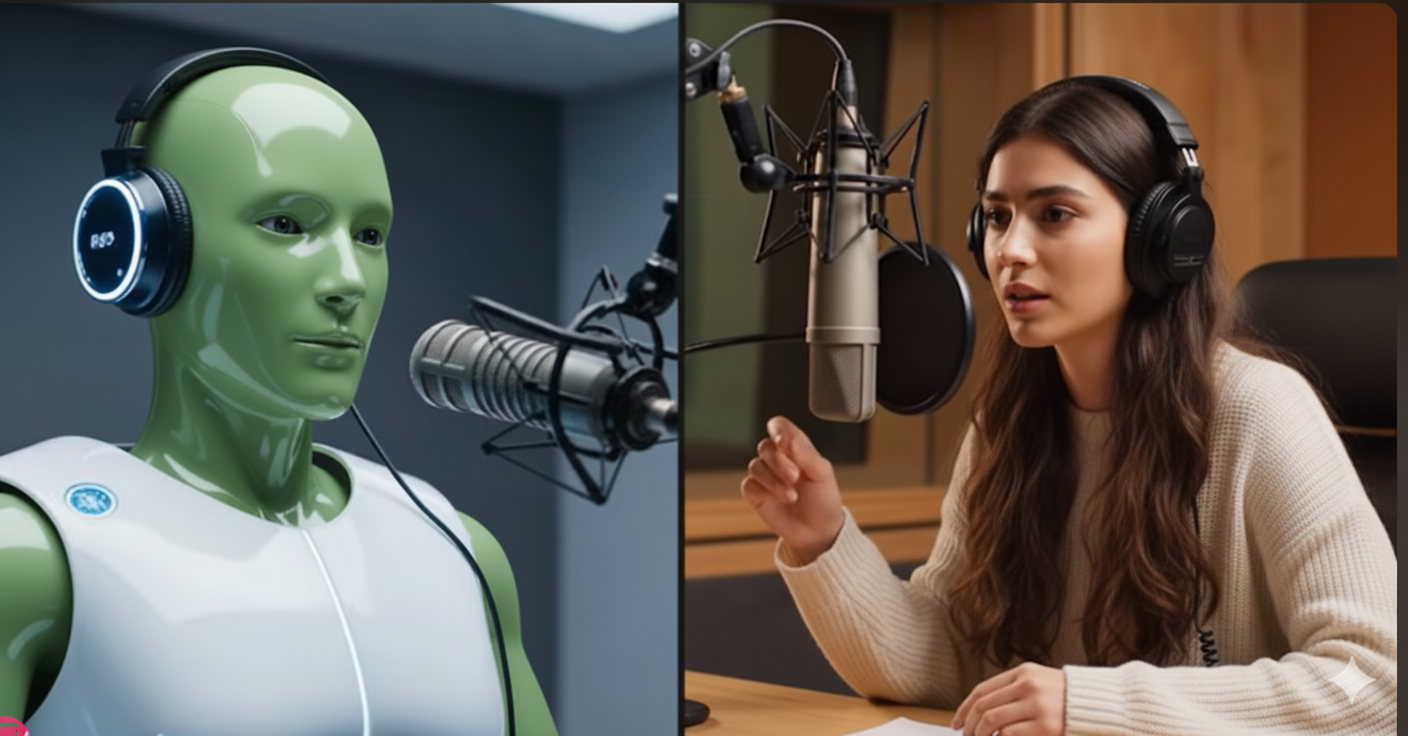
For years, we’ve been able to spot an AI-generated voice by its flat tone and lack of emotion. That barrier has just been shattered. Cartesia has launched Sonic 3, a voice model that achieves a breakthrough in natural, human-like sound. What if an AI voice could laugh, sigh, breathe, or speed up with excitement? And what if it did so not randomly, but because you instructed it to in the text?
Sonic 3 allows developers to insert simple text commands to control emotion, pacing, and non-speech sounds like laughter or pauses. The most significant technical achievement is its speed, with a response latency under 100ms, making it three times faster than leading competitors. The model also supports 42 languages (including Arabic) and can clone any voice with stunning accuracy from just a three-second sample. Funded with $100 million, this leap forward promises revolutionary applications in customer service and digital assistants, finally giving AI a voice with a soul.
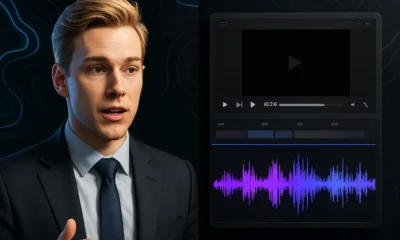
New AI models like Sonic 3 can now replicate human emotion and speech patterns with incredible accuracy.
Unforgettable AI: New Study Reveals Language Models Never Forget
A groundbreaking new study has upended fundamental assumptions about the privacy of Large Language Models (LLMs). Researchers have proven that recovering the original text a user inputs from a model’s internal states is not only possible but mathematically guaranteed. Essentially, every word and character you type is preserved with 100% accuracy.
The study reveals that Transformer models—the architecture behind nearly all major AIs—do not compress or generalize information in a way that loses data. Instead, they convert text into a reversible mathematical representation. This is more like reversible encryption than creating a summary. The researchers developed an algorithm called SiPIt that can efficiently reverse this process and reconstruct the exact original input from the model’s hidden states. The implication is staggering: any claims of data anonymization or deletion become meaningless if these internal states are stored. There is no longer such thing as “free” privacy once your data enters a Transformer model.
This finding is a critical update for anyone using AI. Stay informed on the latest developments by following our AI News & Updates.
The recent joint statement from Microsoft and OpenAI has reaffirmed their long-term AI partnership, as reported by FutureTools News. This commitment to collaboration is expected to drive innovation in the field of artificial intelligence and shape the future of technology. The partnership between Microsoft and OpenAI has been instrumental in developing cutting-edge AI solutions, including the integration of OpenAI’s models with Microsoft’s Azure cloud platform.
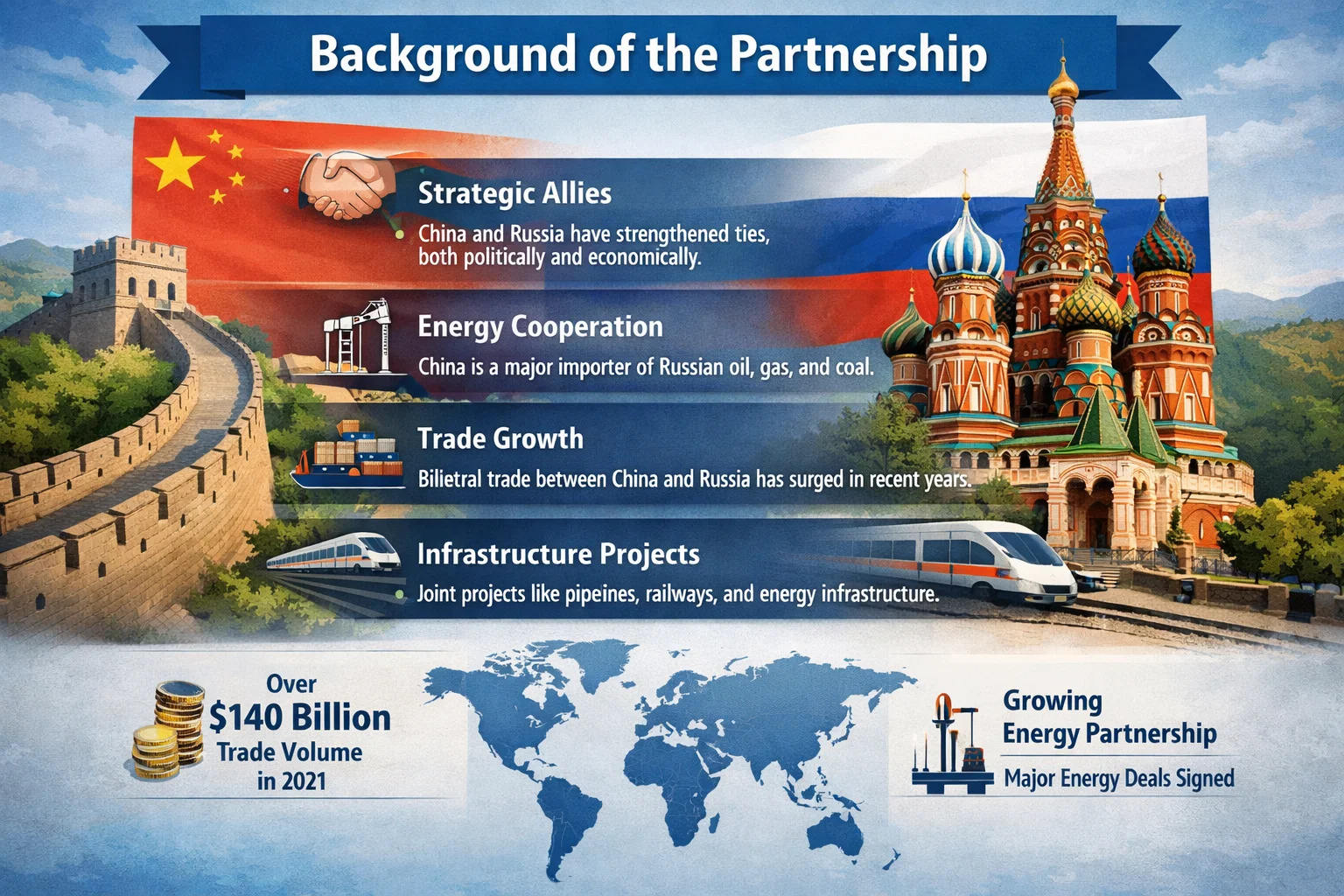
Background of the Partnership
The partnership between Microsoft and OpenAI was formed with the goal of advancing the field of artificial intelligence and developing new technologies that can benefit society. The collaboration has led to significant breakthroughs in areas such as natural language processing and computer vision. The joint statement from Microsoft and OpenAI emphasizes their shared commitment to responsible AI development and the importance of ensuring that AI systems are aligned with human values.
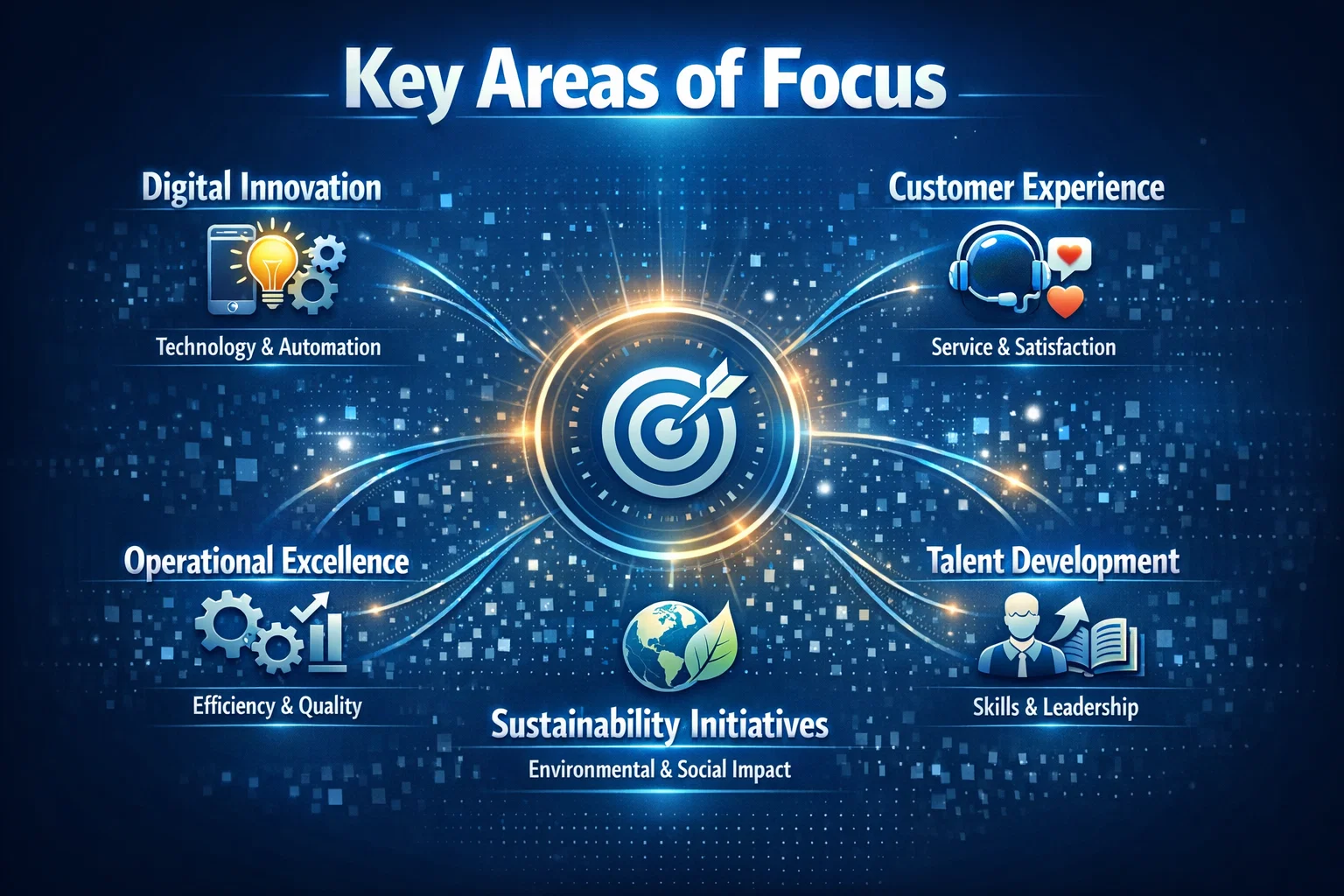
Key Areas of Focus
The partnership between Microsoft and OpenAI is focused on several key areas, including the development of large language models and the integration of AI with other technologies such as GitHub and AWS. The goal is to create AI systems that can learn and improve over time, and that can be used to solve complex problems in areas such as healthcare and education. As stated by a Microsoft spokesperson,
The partnership between Microsoft and OpenAI is a key part of our strategy to advance the field of artificial intelligence and to develop new technologies that can benefit society. We are committed to working together to ensure that AI systems are developed and used in ways that are responsible and aligned with human values.
Future Directions
The joint statement from Microsoft and OpenAI also highlights their plans for future collaboration and innovation. The partners are expected to continue working together to develop new AI technologies and to explore new applications for AI in areas such as cybersecurity and sustainability. The partnership is also expected to drive innovation in the field of AI ethics and to promote the development of AI systems that are transparent, explainable, and fair. As the field of artificial intelligence continues to evolve, the partnership between Microsoft and OpenAI is likely to play a significant role in shaping the future of technology and ensuring that AI systems are developed and used in ways that benefit society.
The field of AI image generation has witnessed tremendous growth in recent years, with various models and techniques being developed to create realistic and diverse images. As reported by The Rundown AI, the latest advancements in this field have led to the emergence of a new top banana in AI image generation. This article will delve into the details of this new development and explore its potential applications.
Introduction to AI Image Generation
AI image generation refers to the use of artificial intelligence algorithms to create images that are similar to those produced by humans. This technology has numerous applications, including computer vision, robotics, and gaming. The process of AI image generation involves training a model on a large dataset of images, which enables it to learn patterns and features that can be used to generate new images.
The New Top Banana in AI Image Generation
According to The Rundown AI, the new top banana in AI image generation is a model developed by Anthropic, a leading AI research organization. This model has demonstrated exceptional capabilities in generating high-quality images that are comparable to those produced by humans. The model’s architecture is based on a combination of deep learning and machine learning techniques, which enables it to learn complex patterns and features from large datasets.
The new top banana in AI image generation has the potential to revolutionize the field of computer vision and enable the development of more sophisticated AI-powered applications.
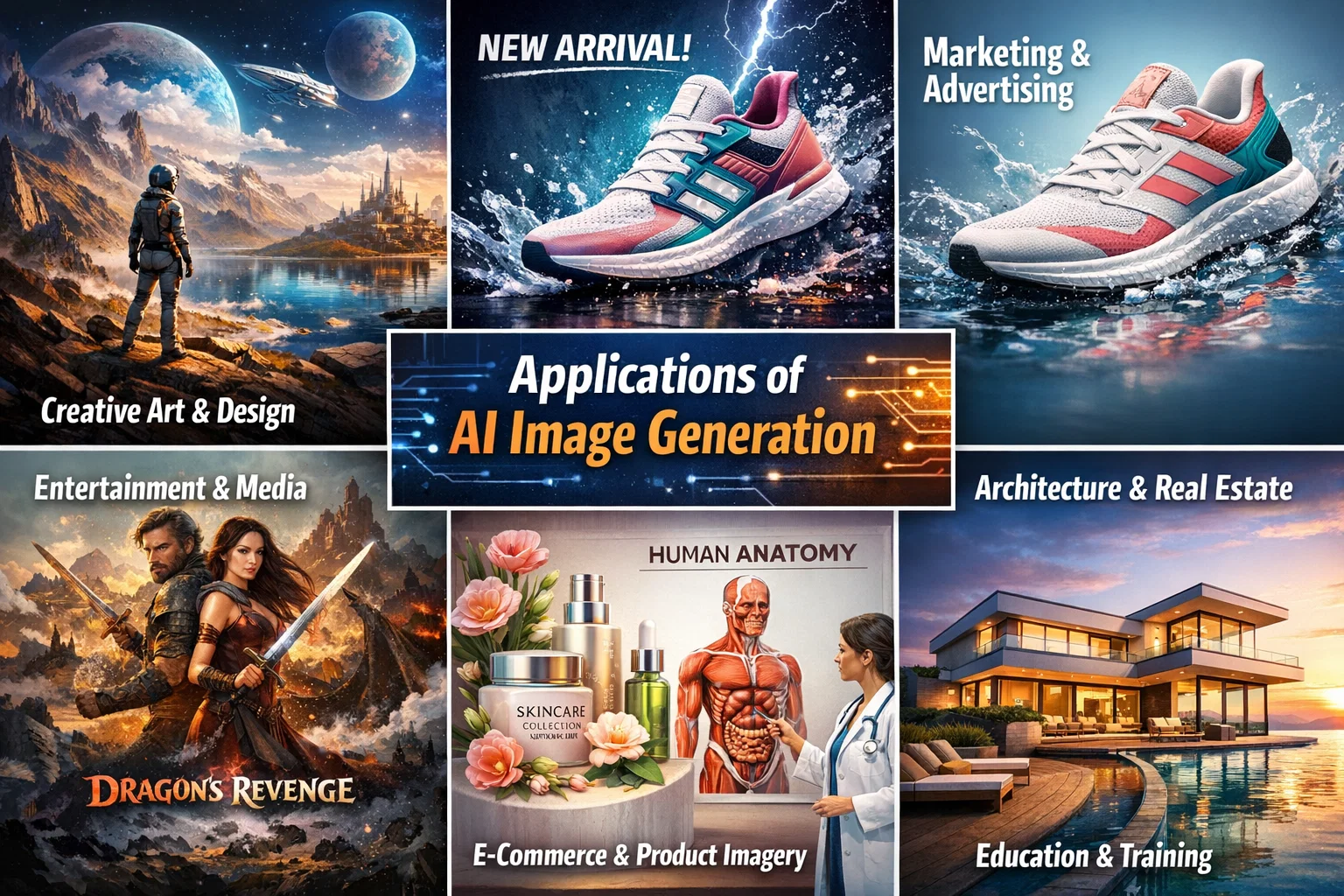
Applications of AI Image Generation
The applications of AI image generation are diverse and widespread. Some of the most significant applications include computer vision, robotics, gaming, and healthcare. In computer vision, AI image generation can be used to create synthetic images that can be used to train models for object detection, segmentation, and recognition. In robotics, AI image generation can be used to create realistic simulations of environments, which can be used to train robots to navigate and interact with their surroundings.
Creating an AI Assistant with its Own Phone Number
In addition to AI image generation, The Rundown AI also provides information on how to create an AI assistant with its own phone number. This can be achieved using a combination of natural language processing and machine learning techniques, which enable the AI assistant to understand and respond to voice commands. The AI assistant can be integrated with various platforms, including GitHub, to enable seamless communication and interaction.
Conclusion
In conclusion, the new top banana in AI image generation has the potential to revolutionize the field of computer vision and enable the development of more sophisticated AI-powered applications. The applications of AI image generation are diverse and widespread, and the technology has the potential to transform various industries, including healthcare, gaming, and robotics. As reported by The Rundown AI, the future of AI image generation looks promising, and we can expect to see significant advancements in this field in the coming years.
The concept of intelligence ownership has been gaining traction in recent years, and for good reason. As Cisco has demonstrated, owning intelligence rather than renting it can be a game-changer for enterprises looking to scale their operations securely. According to a recent article by The Rundown AI, Cisco’s strategy to scale agents securely and reshape enterprise workflows is a prime example of this shift.
The Importance of Intelligence Ownership
Owning intelligence means having control over the data, algorithms, and insights that drive business decisions. This is particularly crucial in today’s fast-paced, data-driven world, where artificial intelligence and machine learning are becoming increasingly prevalent. By owning their intelligence, enterprises can ensure that their systems are secure, transparent, and aligned with their overall goals.
Scaling Agents Securely with Cisco
Cisco’s approach to scaling agents securely is centered around the idea of intelligence ownership. By developing and owning their own AI-powered agents, Cisco is able to ensure that their systems are secure, efficient, and tailored to their specific needs. This approach has allowed Cisco to reshape their enterprise workflows and improve overall productivity. As AWS and other cloud providers continue to evolve, the importance of owning intelligence will only continue to grow.
Cisco’s strategy is a great example of how owning intelligence can help enterprises scale their operations securely and efficiently. By taking control of their data and algorithms, companies can ensure that their systems are aligned with their overall goals and values.
The Benefits of Owning Intelligence
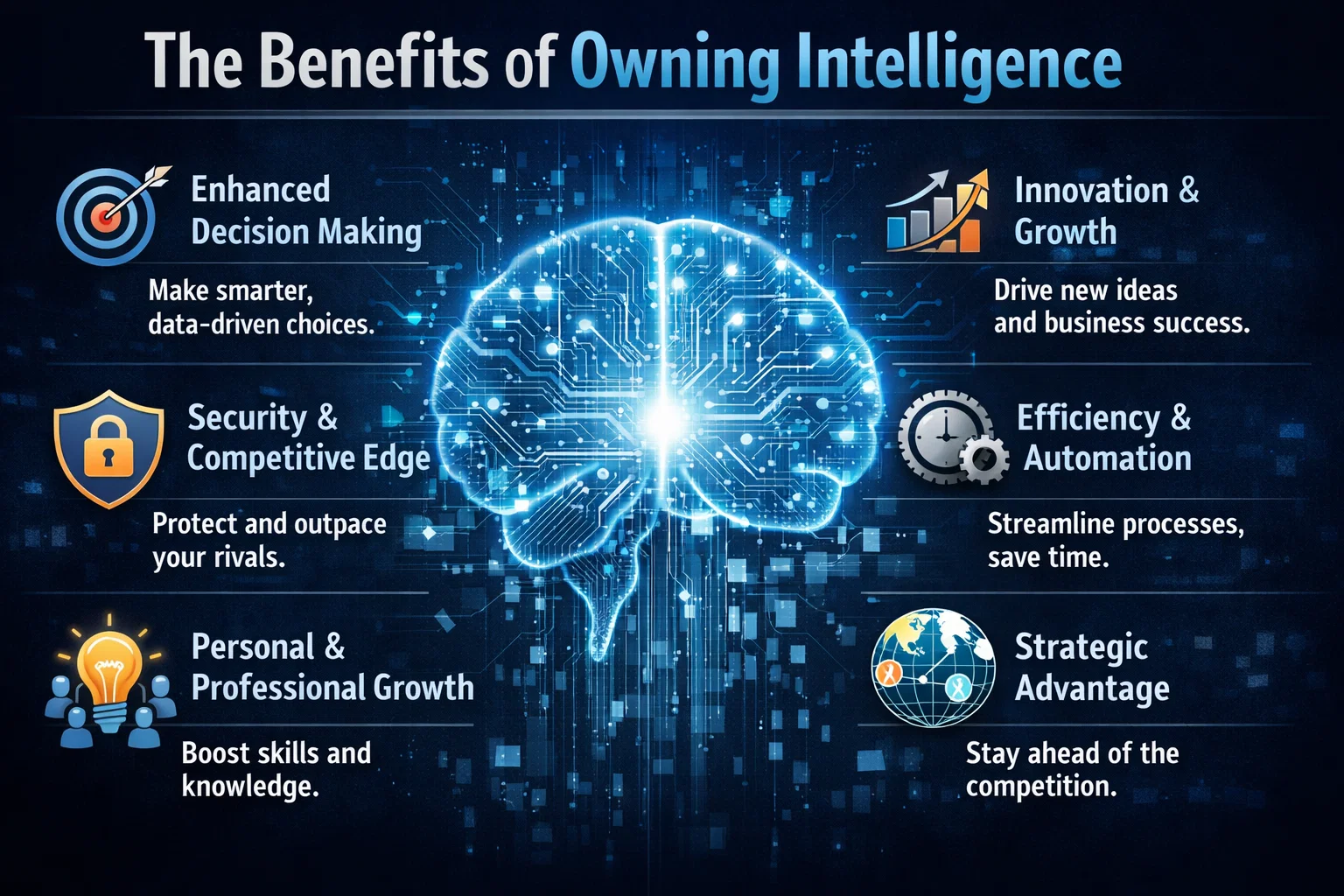
So why should enterprises prioritize intelligence ownership? The benefits are numerous. For one, owning intelligence provides a level of control and transparency that is difficult to achieve with rented intelligence. It also allows enterprises to develop systems that are tailored to their specific needs and goals, rather than relying on generic, off-the-shelf solutions. Additionally, owning intelligence can help enterprises to improve their overall security posture, as they are able to develop and implement their own security protocols and measures.
In contrast, rented intelligence can be limiting and inflexible. When enterprises rely on rented intelligence, they are often at the mercy of the provider, with limited control over the data, algorithms, and insights that drive their business decisions. This can lead to a lack of transparency, security risks, and a general sense of disempowerment.
Real-World Applications
So what does intelligence ownership look like in practice? One example is the development of custom GitHub repositories, which allow enterprises to own and control their code and data. Another example is the use of Azure and other cloud platforms to develop and deploy custom AI-powered solutions. By taking control of their intelligence, enterprises can develop systems that are tailored to their specific needs and goals, and that provide a level of security, transparency, and efficiency that is difficult to achieve with rented intelligence.