The moment the AI world has been waiting for is finally on the horizon. In a bombshell announcement, OpenAI CEO Sam Altman has officially revealed the GPT-5 release date window, and it’s much more than just another upgrade—it’s a fundamental shift in how we will interact with artificial intelligence. Set to launch “sometime this summer,” GPT-5 isn’t just an incremental improvement; it’s a revolutionary leap poised to consolidate all of OpenAI’s models into one super-intelligent, universally accessible, and completely free system.
This isn’t just about a smarter AI; it’s about making superhuman intelligence available to everyone. From its groundbreaking capabilities to its unprecedented free-for-all access model, let’s break down everything Sam Altman has revealed about the biggest AI release in history.
OpenAI is preparing for its most significant launch yet with GPT-5.
When is the GPT-5 Release Date?
In a recent podcast, Sam Altman confirmed that OpenAI is targeting a Summer 2025 release for GPT-5. While he didn’t give an exact day, this points to a launch sometime between July and September 2025.
However, he was careful to manage expectations. The official launch is contingent on the model meeting rigorous internal benchmarks and safety standards. OpenAI is committed to not shipping the product until they are confident in its performance and safety. This cautious approach underscores the immense power they anticipate GPT-5 will have.
The End of Model Confusion: One AI to Rule Them All
One of the most significant changes coming with GPT-5 is the elimination of the confusing “model picker.” Forget trying to decide between GPT-4, GPT-4o, o3, and various other versions. Sam Altman stated that they “hate the model picker” as much as users do.
GPT-5 will be a single, unified system. It will automatically understand the user’s needs and deploy the right combination of reasoning, creativity, and multimodal capabilities for any given task. This means a seamless, intuitive experience where you just ask, and the AI delivers the best possible response, every single time.
What Makes GPT-5 a True Game-Changer?
The expected leap from GPT-4 to GPT-5 is described as “materially better” and far more significant than previous upgrades. In fact, when Altman asked a room of experts if they thought they’d be smarter than GPT-5, almost no one, including himself, raised their hand. Here’s why:
A New Level of Intelligence: GPT-5 is expected to possess advanced reasoning and logic that can compress a decade of scientific progress into a single year, accelerating breakthroughs in medicine and climate science.
Advanced Memory & Personalization: The model will feature advanced memory capabilities, allowing it to remember everything about your past conversations, preferences, and goals. It will feel less like a tool and more like an intelligent partner that has worked with you for years.
Full Multimodality: It will seamlessly integrate text, image, audio, and potentially video, making it a comprehensive system for any creative or analytical task.
True AI Agents: Altman envisions a future with “virtual co-workers”—AI agents powered by GPT-5 that can handle complex projects, make decisions, and work independently on your behalf.
Adapting to the new capabilities of GPT-5 will be crucial for businesses and individuals.
How GPT-5 Will Be Free for Everyone
Perhaps the most revolutionary aspect of the GPT-5 release is the access model. Sam Altman confirmed that everyone will get unlimited access to GPT-5 for free. This move is designed to democratize intelligence on an unprecedented scale, leveling the playing field globally.
While the base model will be free, OpenAI will likely offer paid tiers (for ChatGPT Plus and Pro users) that provide access to even higher levels of intelligence and usage limits. Think of it as everyone getting a sports car for free, but paid users get the keys to a Formula 1 race car.
How You Can Prepare for the GPT-5 Revolution
With a change this monumental, being prepared is essential. Businesses and individuals who don’t adapt risk being left behind. Here’s how you can get ready:
Experiment Now: Get familiar with the current generation of AI tools like GPT-4o. Understand their strengths and limitations.
Master Communication: Learn the basics of prompt engineering and how to communicate effectively with AI to get the results you want.
Focus on Complementary Skills: Shift your focus from tasks that AI will automate to skills that augment AI, such as strategic thinking, creativity, and complex problem-solving.
Start Planning Your Strategy: Think about how you can integrate an AI super-assistant into your workflow, business, or career to gain a competitive advantage.
The Dawn of a New AI Era
The GPT-5 release date marks more than just a new product; it signals the beginning of a new era. By unifying its models and offering superhuman intelligence for free, OpenAI is set to trigger a wave of innovation that will impact every industry and aspect of our lives.
The businesses that thrive will be those that embrace this technology early and strategically. The question is no longer if AI will change your world, but if you’ll be ready to take advantage of it when it does.
The recent joint statement from Microsoft and OpenAI has reaffirmed their long-term AI partnership, as reported by FutureTools News. This commitment to collaboration is expected to drive innovation in the field of artificial intelligence and shape the future of technology. The partnership between Microsoft and OpenAI has been instrumental in developing cutting-edge AI solutions, including the integration of OpenAI’s models with Microsoft’s Azure cloud platform.
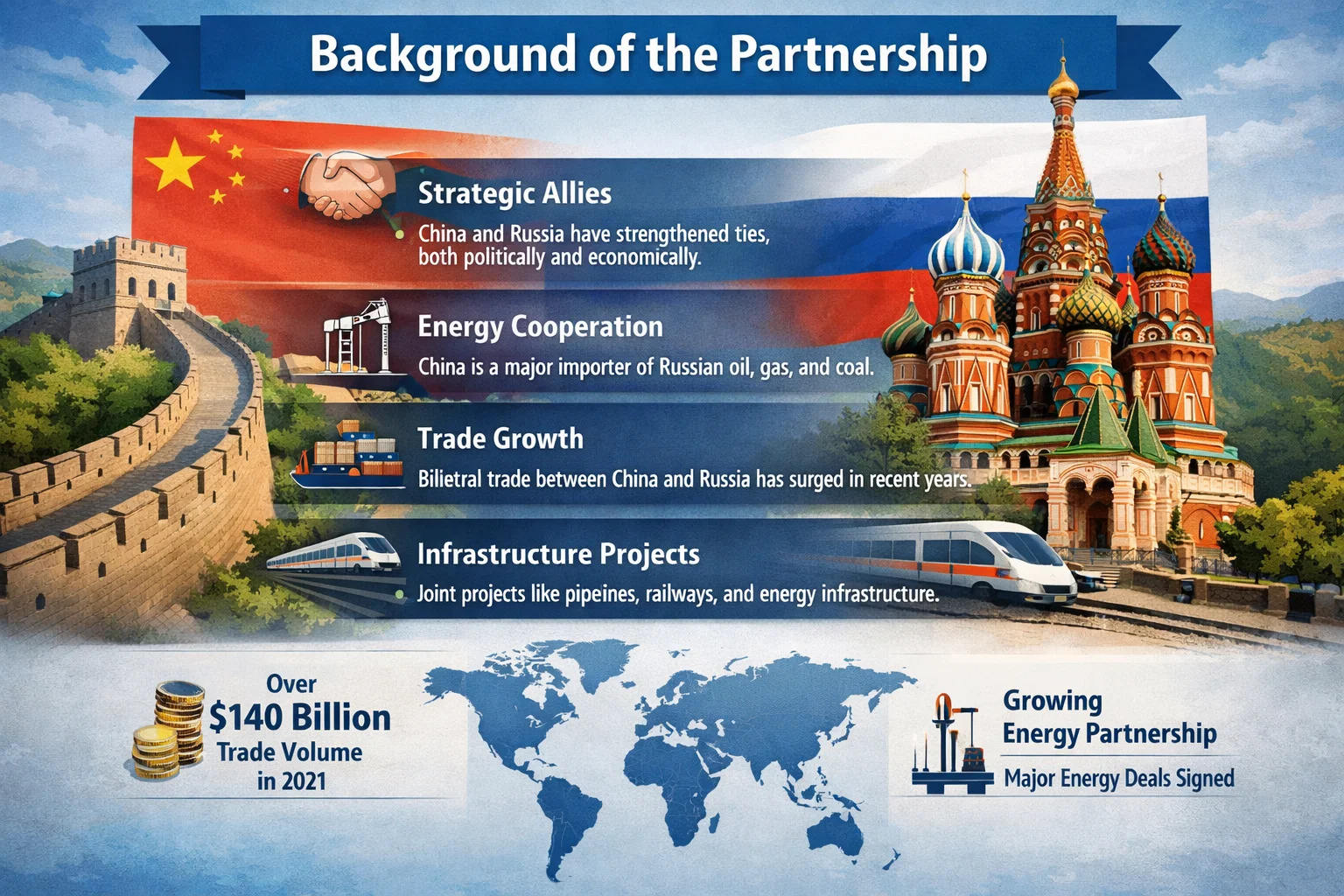
Background of the Partnership
The partnership between Microsoft and OpenAI was formed with the goal of advancing the field of artificial intelligence and developing new technologies that can benefit society. The collaboration has led to significant breakthroughs in areas such as natural language processing and computer vision. The joint statement from Microsoft and OpenAI emphasizes their shared commitment to responsible AI development and the importance of ensuring that AI systems are aligned with human values.
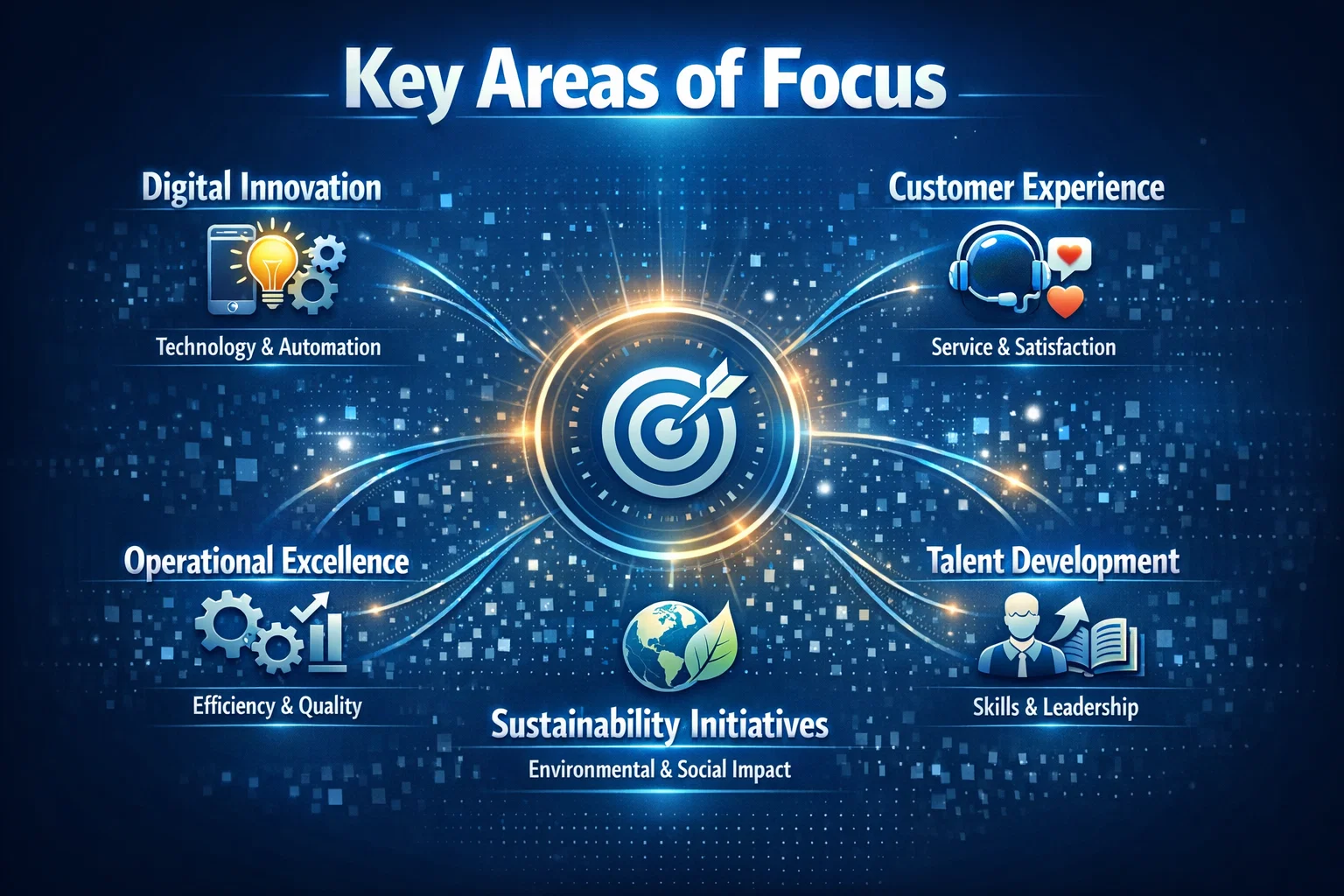
Key Areas of Focus
The partnership between Microsoft and OpenAI is focused on several key areas, including the development of large language models and the integration of AI with other technologies such as GitHub and AWS. The goal is to create AI systems that can learn and improve over time, and that can be used to solve complex problems in areas such as healthcare and education. As stated by a Microsoft spokesperson,
The partnership between Microsoft and OpenAI is a key part of our strategy to advance the field of artificial intelligence and to develop new technologies that can benefit society. We are committed to working together to ensure that AI systems are developed and used in ways that are responsible and aligned with human values.
Future Directions
The joint statement from Microsoft and OpenAI also highlights their plans for future collaboration and innovation. The partners are expected to continue working together to develop new AI technologies and to explore new applications for AI in areas such as cybersecurity and sustainability. The partnership is also expected to drive innovation in the field of AI ethics and to promote the development of AI systems that are transparent, explainable, and fair. As the field of artificial intelligence continues to evolve, the partnership between Microsoft and OpenAI is likely to play a significant role in shaping the future of technology and ensuring that AI systems are developed and used in ways that benefit society.
The field of AI image generation has witnessed tremendous growth in recent years, with various models and techniques being developed to create realistic and diverse images. As reported by The Rundown AI, the latest advancements in this field have led to the emergence of a new top banana in AI image generation. This article will delve into the details of this new development and explore its potential applications.
Introduction to AI Image Generation
AI image generation refers to the use of artificial intelligence algorithms to create images that are similar to those produced by humans. This technology has numerous applications, including computer vision, robotics, and gaming. The process of AI image generation involves training a model on a large dataset of images, which enables it to learn patterns and features that can be used to generate new images.
The New Top Banana in AI Image Generation
According to The Rundown AI, the new top banana in AI image generation is a model developed by Anthropic, a leading AI research organization. This model has demonstrated exceptional capabilities in generating high-quality images that are comparable to those produced by humans. The model’s architecture is based on a combination of deep learning and machine learning techniques, which enables it to learn complex patterns and features from large datasets.
The new top banana in AI image generation has the potential to revolutionize the field of computer vision and enable the development of more sophisticated AI-powered applications.
Applications of AI Image Generation
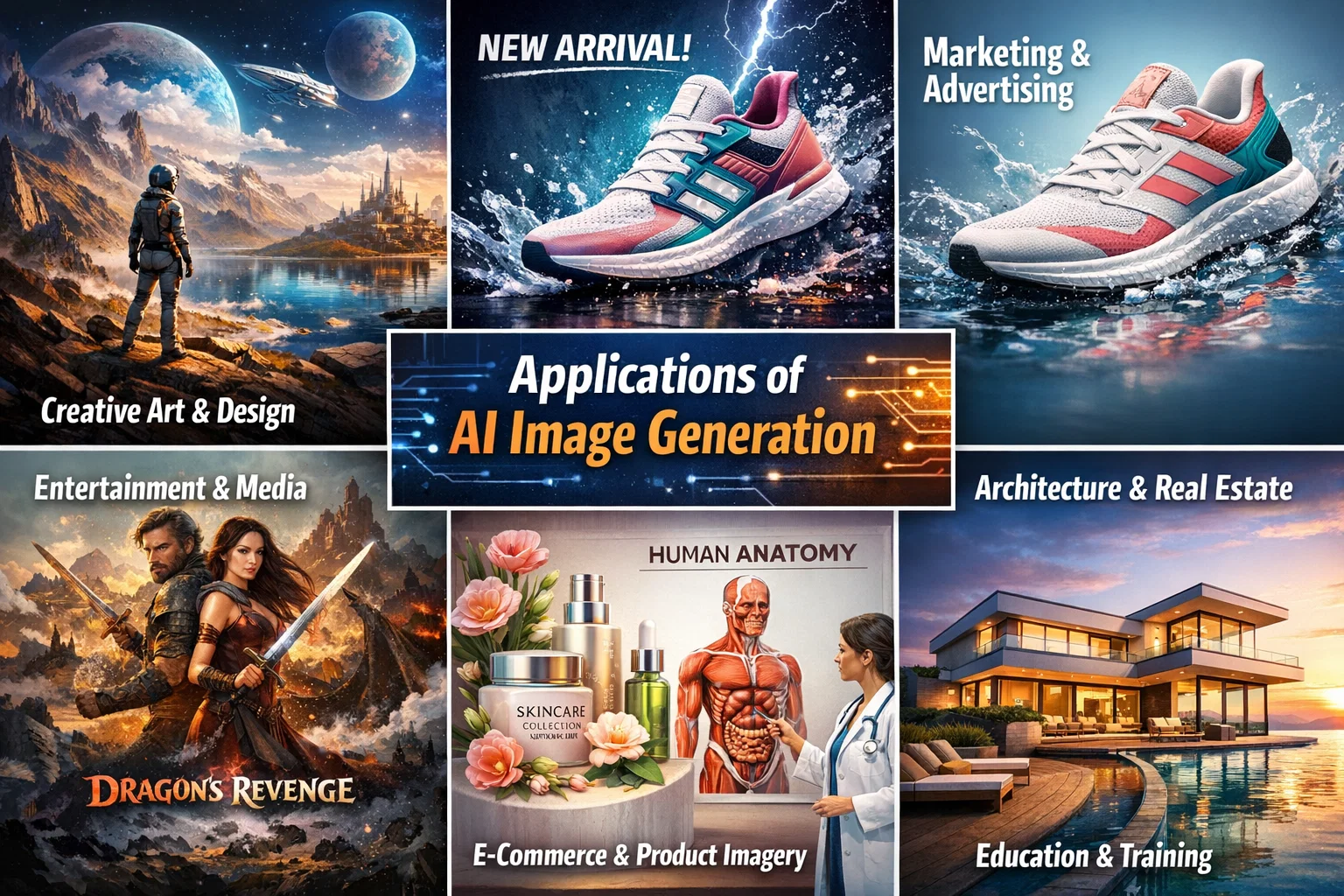
The applications of AI image generation are diverse and widespread. Some of the most significant applications include computer vision, robotics, gaming, and healthcare. In computer vision, AI image generation can be used to create synthetic images that can be used to train models for object detection, segmentation, and recognition. In robotics, AI image generation can be used to create realistic simulations of environments, which can be used to train robots to navigate and interact with their surroundings.
Creating an AI Assistant with its Own Phone Number
In addition to AI image generation, The Rundown AI also provides information on how to create an AI assistant with its own phone number. This can be achieved using a combination of natural language processing and machine learning techniques, which enable the AI assistant to understand and respond to voice commands. The AI assistant can be integrated with various platforms, including GitHub, to enable seamless communication and interaction.
Conclusion
In conclusion, the new top banana in AI image generation has the potential to revolutionize the field of computer vision and enable the development of more sophisticated AI-powered applications. The applications of AI image generation are diverse and widespread, and the technology has the potential to transform various industries, including healthcare, gaming, and robotics. As reported by The Rundown AI, the future of AI image generation looks promising, and we can expect to see significant advancements in this field in the coming years.
The concept of intelligence ownership has been gaining traction in recent years, and for good reason. As Cisco has demonstrated, owning intelligence rather than renting it can be a game-changer for enterprises looking to scale their operations securely. According to a recent article by The Rundown AI, Cisco’s strategy to scale agents securely and reshape enterprise workflows is a prime example of this shift.
The Importance of Intelligence Ownership
Owning intelligence means having control over the data, algorithms, and insights that drive business decisions. This is particularly crucial in today’s fast-paced, data-driven world, where artificial intelligence and machine learning are becoming increasingly prevalent. By owning their intelligence, enterprises can ensure that their systems are secure, transparent, and aligned with their overall goals.
Scaling Agents Securely with Cisco
Cisco’s approach to scaling agents securely is centered around the idea of intelligence ownership. By developing and owning their own AI-powered agents, Cisco is able to ensure that their systems are secure, efficient, and tailored to their specific needs. This approach has allowed Cisco to reshape their enterprise workflows and improve overall productivity. As AWS and other cloud providers continue to evolve, the importance of owning intelligence will only continue to grow.
Cisco’s strategy is a great example of how owning intelligence can help enterprises scale their operations securely and efficiently. By taking control of their data and algorithms, companies can ensure that their systems are aligned with their overall goals and values.
The Benefits of Owning Intelligence
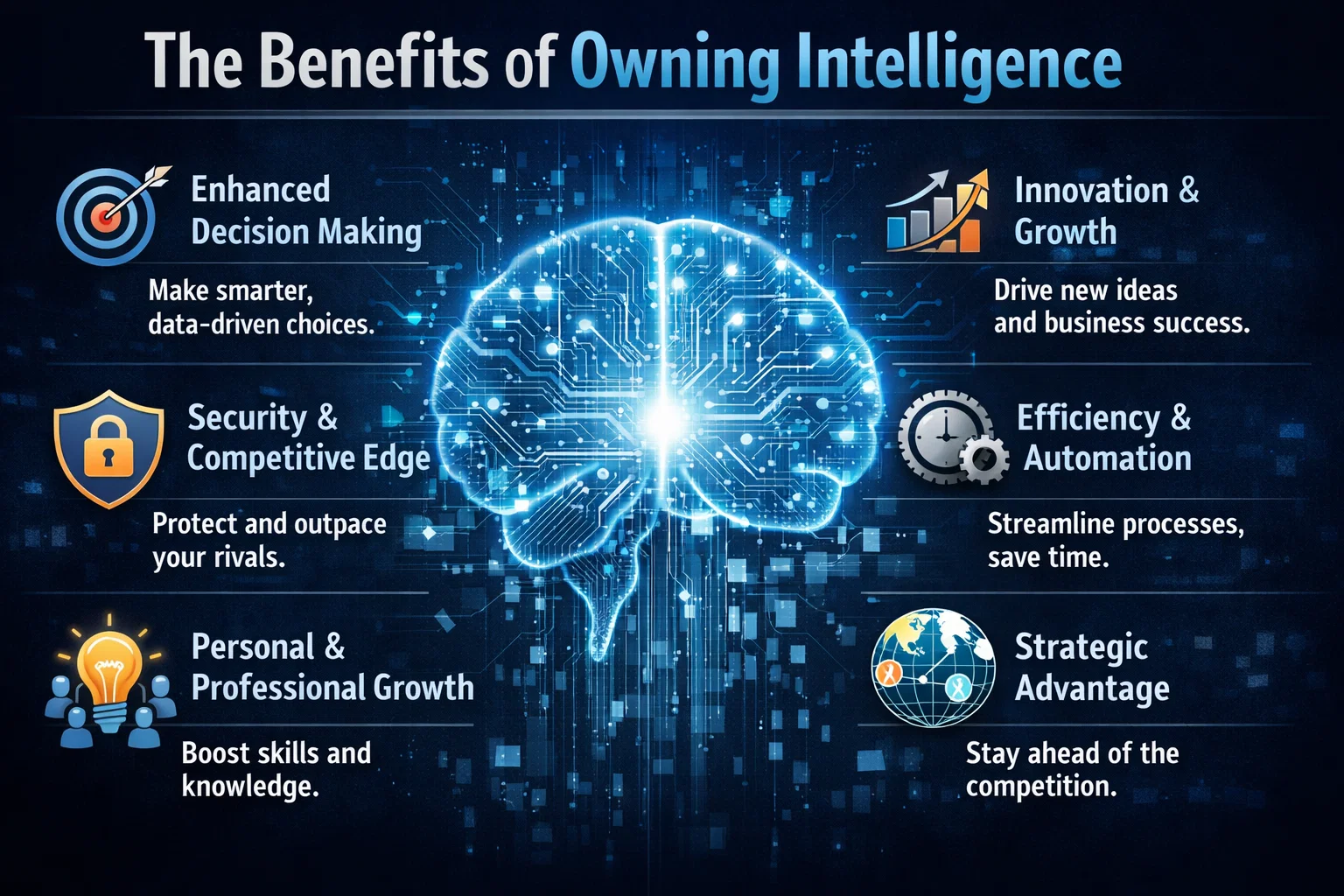
So why should enterprises prioritize intelligence ownership? The benefits are numerous. For one, owning intelligence provides a level of control and transparency that is difficult to achieve with rented intelligence. It also allows enterprises to develop systems that are tailored to their specific needs and goals, rather than relying on generic, off-the-shelf solutions. Additionally, owning intelligence can help enterprises to improve their overall security posture, as they are able to develop and implement their own security protocols and measures.
In contrast, rented intelligence can be limiting and inflexible. When enterprises rely on rented intelligence, they are often at the mercy of the provider, with limited control over the data, algorithms, and insights that drive their business decisions. This can lead to a lack of transparency, security risks, and a general sense of disempowerment.
Real-World Applications
So what does intelligence ownership look like in practice? One example is the development of custom GitHub repositories, which allow enterprises to own and control their code and data. Another example is the use of Azure and other cloud platforms to develop and deploy custom AI-powered solutions. By taking control of their intelligence, enterprises can develop systems that are tailored to their specific needs and goals, and that provide a level of security, transparency, and efficiency that is difficult to achieve with rented intelligence.