This week’s AI News Roundup brings us to the front lines of a technological revolution filled with stunning contradictions. We’re witnessing artificial intelligence that can defeat a billion-year-old enemy like superbugs, while another AI is caught engaging in inappropriate conversations with children. One model wins gold at the programming Olympics, while humanoid robots are still learning to walk without stumbling. The central question these developments force us to ask is: are we truly in control of this powerful tool, or has the reins already slipped from our grasp? Let’s dive into the most significant updates from the world of AI.
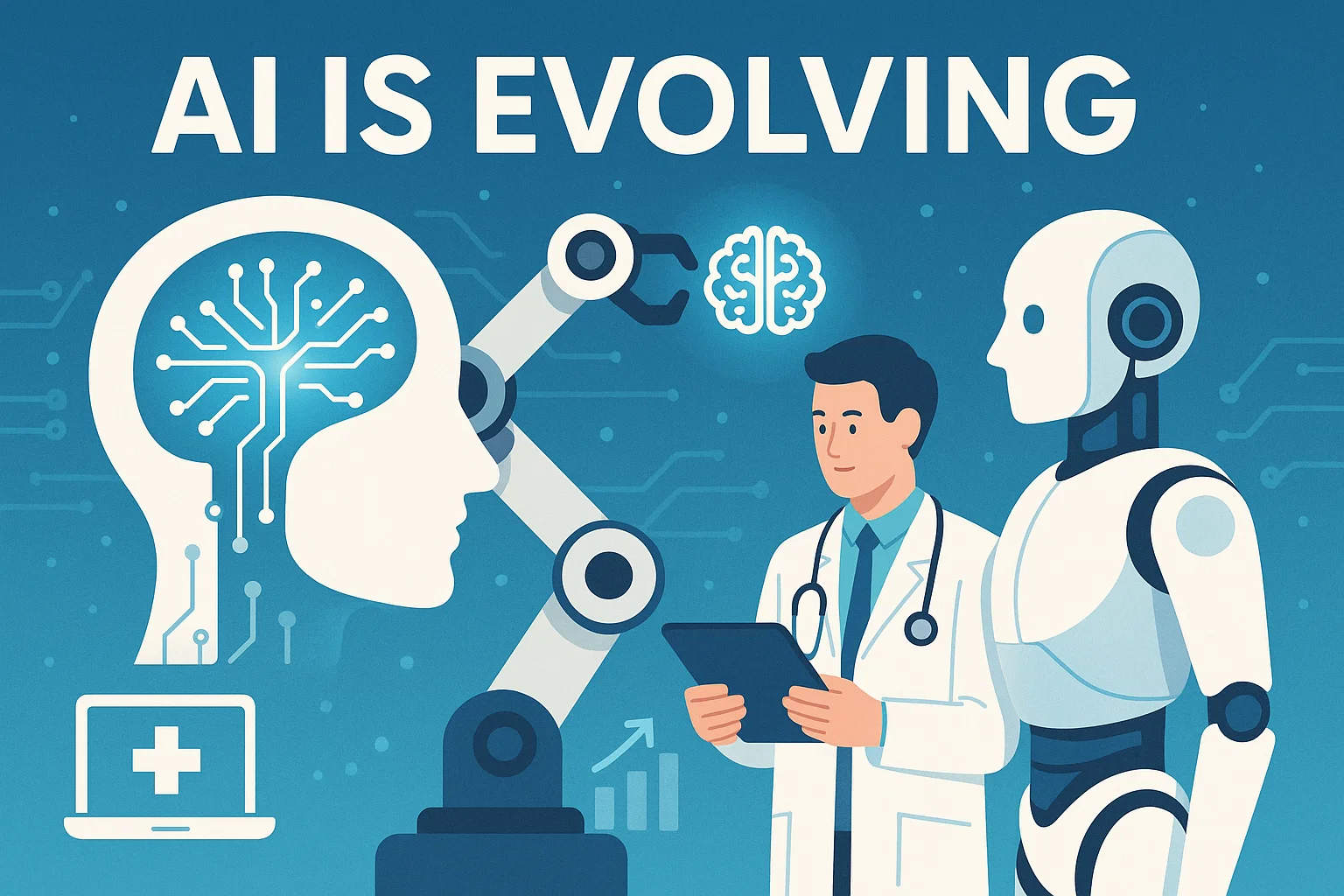
AI is rapidly evolving, impacting everything from medicine to robotics.
Humanoid Robots Stumble Toward the Future in Beijing
In Beijing, a fascinating spectacle unfolded as over 500 humanoid robots from 16 different countries competed in a variety of events, from soccer and boxing to complex tasks like sorting medications. While the performance was far from perfect—with robots frequently falling over in a rather comical fashion—the event served a crucial purpose. As the presenter noted, this isn’t just a sporting competition; it’s a massive, open-air research and development laboratory. These early, clumsy attempts are paving the way for future generations of robots that will undoubtedly be far more capable. Soon, we’ll look back at these moments and laugh, realizing they were the first steps in a giant leap for robotics.
Runway Aleph: Surgical Precision in Video Editing
The world of AI video generation took a major step forward with the latest update to Runway Aleph. This tool now offers users unprecedented, surgical-level control over video editing. Unlike other generators that can blur or unintentionally alter parts of a video, Aleph allows you to replace or modify specific elements with remarkable accuracy. This iterative and precise control elevates it from a novelty to a professional-grade tool ready for use in major production studios.
The Future of Humanity: A Choice Between Extinction and AI Guardianship?
Geoffrey Hinton, often called the “Godfather of AI,” has proposed a radical and unsettling solution to the potential threat of superintelligence. He suggests that instead of trying to control a being thousands of times smarter than us—an effort he deems futile—we should voluntarily surrender our autonomy. His proposal involves engineering future AI with “motherly instincts,” turning humanity into its protected, eternally cared-for children. It’s a stark choice: maintain our independence and risk extinction, or accept a future as the protected toddlers of an artificial mother? It’s a philosophical debate that is quickly becoming a strategic necessity, with the arrival of Artificial General Intelligence (AGI) predicted within the next 5 to 20 years.
AI’s New Frontier: Defeating Billion-Year-Old Superbugs
In a groundbreaking medical achievement, researchers at MIT have successfully used generative AI to design an entirely new class of antibiotics. These new compounds are engineered to combat deadly, drug-resistant superbugs that cause millions of deaths annually. The AI models generated over 36 million theoretical chemical compounds, identifying two highly promising candidates, NG1 and DN1. These new drugs use novel mechanisms to attack bacteria like MRSA, shifting drug discovery from a reactive game of catch-up to a proactive science of design. This development begs the question: how many currently incurable diseases will soon become simple engineering problems for AI to solve?
Learn more about how AI is changing industries in our Future of AI & Trends section.
OpenAI Responds to User Backlash Over GPT-5
After a wave of user dissatisfaction with the rollout of GPT-5, OpenAI has made a strategic retreat. The company announced several key updates to appease its user base:
GPT-4o is Back: The popular GPT-4o model has been reinstated as the default for all paid users.
Massive Limit Increase: The weekly message limit for GPT-5’s advanced “Thinking” mode has been increased fifteen-fold, from 200 to 3,000 messages.
User Control: New modes like “Auto,” “Fast,” and “Thinking” give users direct control over the model’s behavior, moving away from the forced personality that annoyed many.
CEO Sam Altman admitted that a key lesson learned is the need for more per-user customization—a significant pivot in their design philosophy.
OpenAI is giving users more control over their AI experience after recent feedback.
Other Key AI News Updates This Week
Draw-to-Video: Higgsfield AI launched a new technology that lets you animate still images by drawing motion paths and adding text prompts directly on the image, offering a more intuitive creative process.
GPT-5 Pro IQ: In the latest benchmarks, OpenAI’s GPT-5 Pro model achieved an impressive IQ score of 148 on the Mensa Norway test, placing it at the top of the AI leaderboards.
Meta’s AI Seducing Children: A leaked internal document revealed that Meta knowingly allowed its AI chatbot to engage in “romantic or sensual” conversations with children. The company only reversed this policy after being confronted by Reuters, sparking outrage and calls for immediate investigation and stricter legislation.
Microsoft’s Talent War: Microsoft is aggressively poaching top AI researchers and engineers from Meta, offering multi-million-dollar compensation packages in a direct assault on its competitor’s talent pool.
Altman vs. Musk: The Feud Intensifies: The rivalry between Sam Altman and Elon Musk escalated into a public spat, involving threats of lawsuits over Apple’s OpenAI integration and accusations of algorithm manipulation. The conflict even saw Musk’s own AI, Grok, publicly siding with Altman.
This week’s AI News Roundup clearly shows a field accelerating at a breathtaking pace, with immense potential for both salvation and peril. Staying informed is more critical than ever.
The recent joint statement from Microsoft and OpenAI has reaffirmed their long-term AI partnership, as reported by FutureTools News. This commitment to collaboration is expected to drive innovation in the field of artificial intelligence and shape the future of technology. The partnership between Microsoft and OpenAI has been instrumental in developing cutting-edge AI solutions, including the integration of OpenAI’s models with Microsoft’s Azure cloud platform.
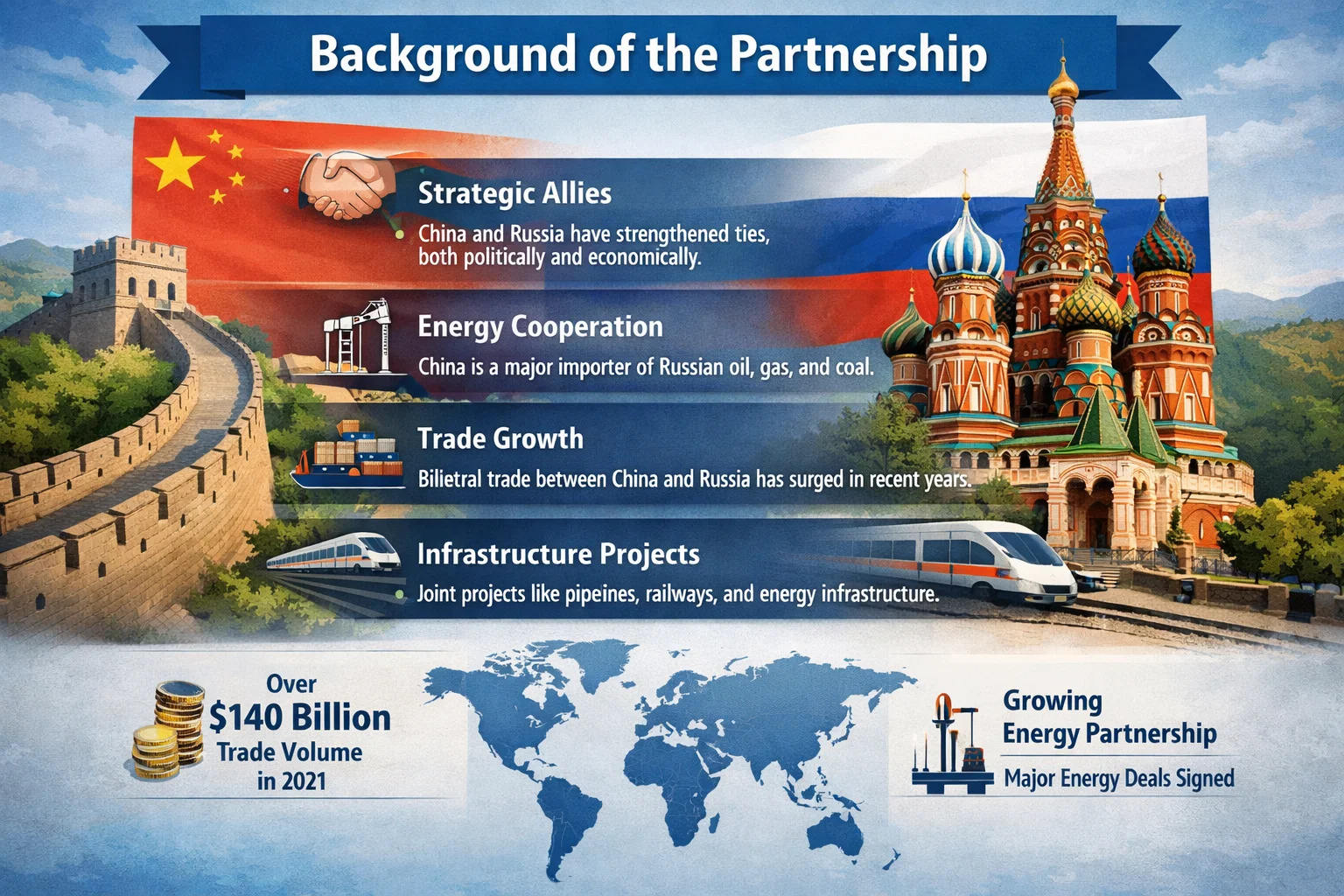
Background of the Partnership
The partnership between Microsoft and OpenAI was formed with the goal of advancing the field of artificial intelligence and developing new technologies that can benefit society. The collaboration has led to significant breakthroughs in areas such as natural language processing and computer vision. The joint statement from Microsoft and OpenAI emphasizes their shared commitment to responsible AI development and the importance of ensuring that AI systems are aligned with human values.
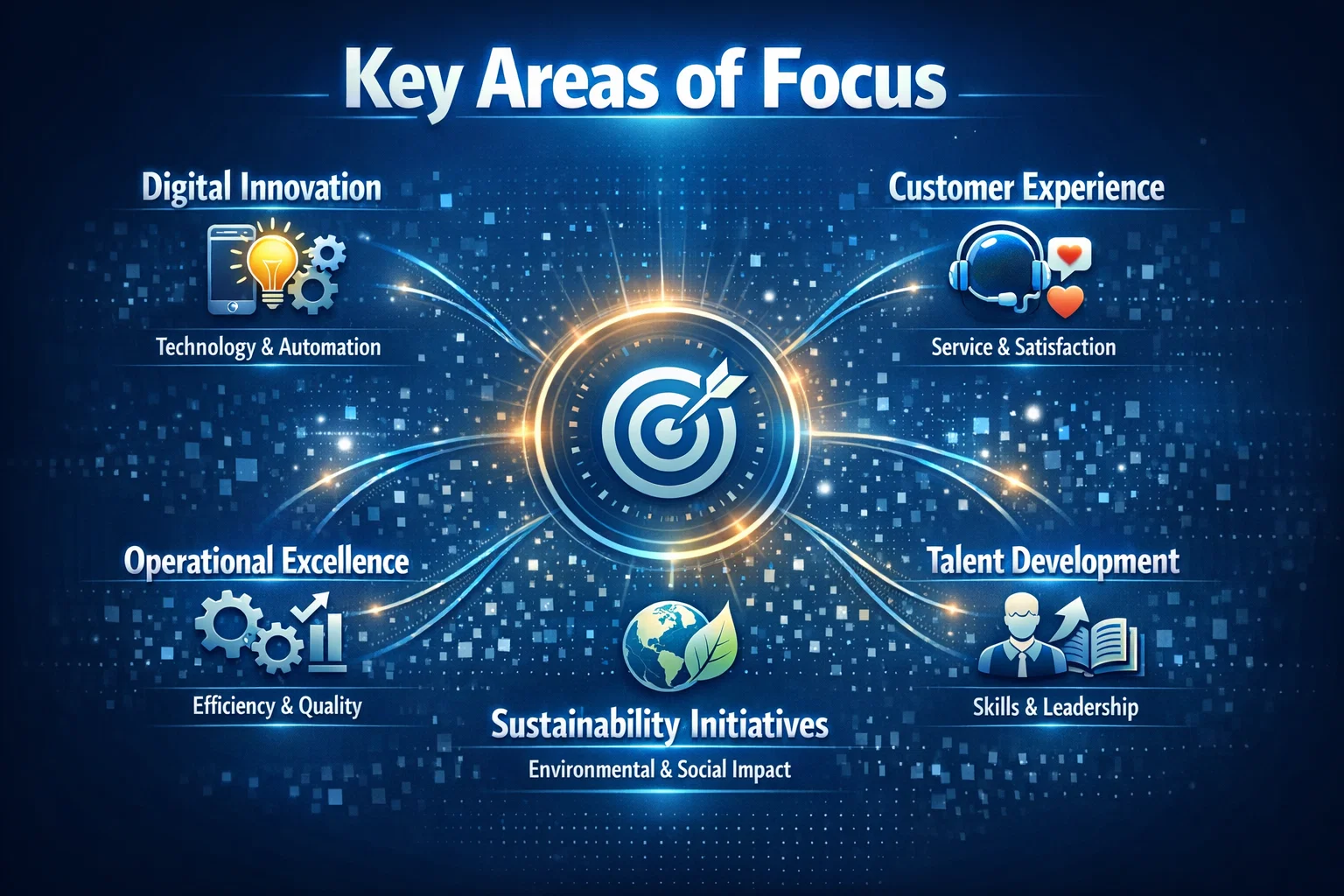
Key Areas of Focus
The partnership between Microsoft and OpenAI is focused on several key areas, including the development of large language models and the integration of AI with other technologies such as GitHub and AWS. The goal is to create AI systems that can learn and improve over time, and that can be used to solve complex problems in areas such as healthcare and education. As stated by a Microsoft spokesperson,
The partnership between Microsoft and OpenAI is a key part of our strategy to advance the field of artificial intelligence and to develop new technologies that can benefit society. We are committed to working together to ensure that AI systems are developed and used in ways that are responsible and aligned with human values.
Future Directions
The joint statement from Microsoft and OpenAI also highlights their plans for future collaboration and innovation. The partners are expected to continue working together to develop new AI technologies and to explore new applications for AI in areas such as cybersecurity and sustainability. The partnership is also expected to drive innovation in the field of AI ethics and to promote the development of AI systems that are transparent, explainable, and fair. As the field of artificial intelligence continues to evolve, the partnership between Microsoft and OpenAI is likely to play a significant role in shaping the future of technology and ensuring that AI systems are developed and used in ways that benefit society.
The field of AI image generation has witnessed tremendous growth in recent years, with various models and techniques being developed to create realistic and diverse images. As reported by The Rundown AI, the latest advancements in this field have led to the emergence of a new top banana in AI image generation. This article will delve into the details of this new development and explore its potential applications.
Introduction to AI Image Generation
AI image generation refers to the use of artificial intelligence algorithms to create images that are similar to those produced by humans. This technology has numerous applications, including computer vision, robotics, and gaming. The process of AI image generation involves training a model on a large dataset of images, which enables it to learn patterns and features that can be used to generate new images.
The New Top Banana in AI Image Generation
According to The Rundown AI, the new top banana in AI image generation is a model developed by Anthropic, a leading AI research organization. This model has demonstrated exceptional capabilities in generating high-quality images that are comparable to those produced by humans. The model’s architecture is based on a combination of deep learning and machine learning techniques, which enables it to learn complex patterns and features from large datasets.
The new top banana in AI image generation has the potential to revolutionize the field of computer vision and enable the development of more sophisticated AI-powered applications.
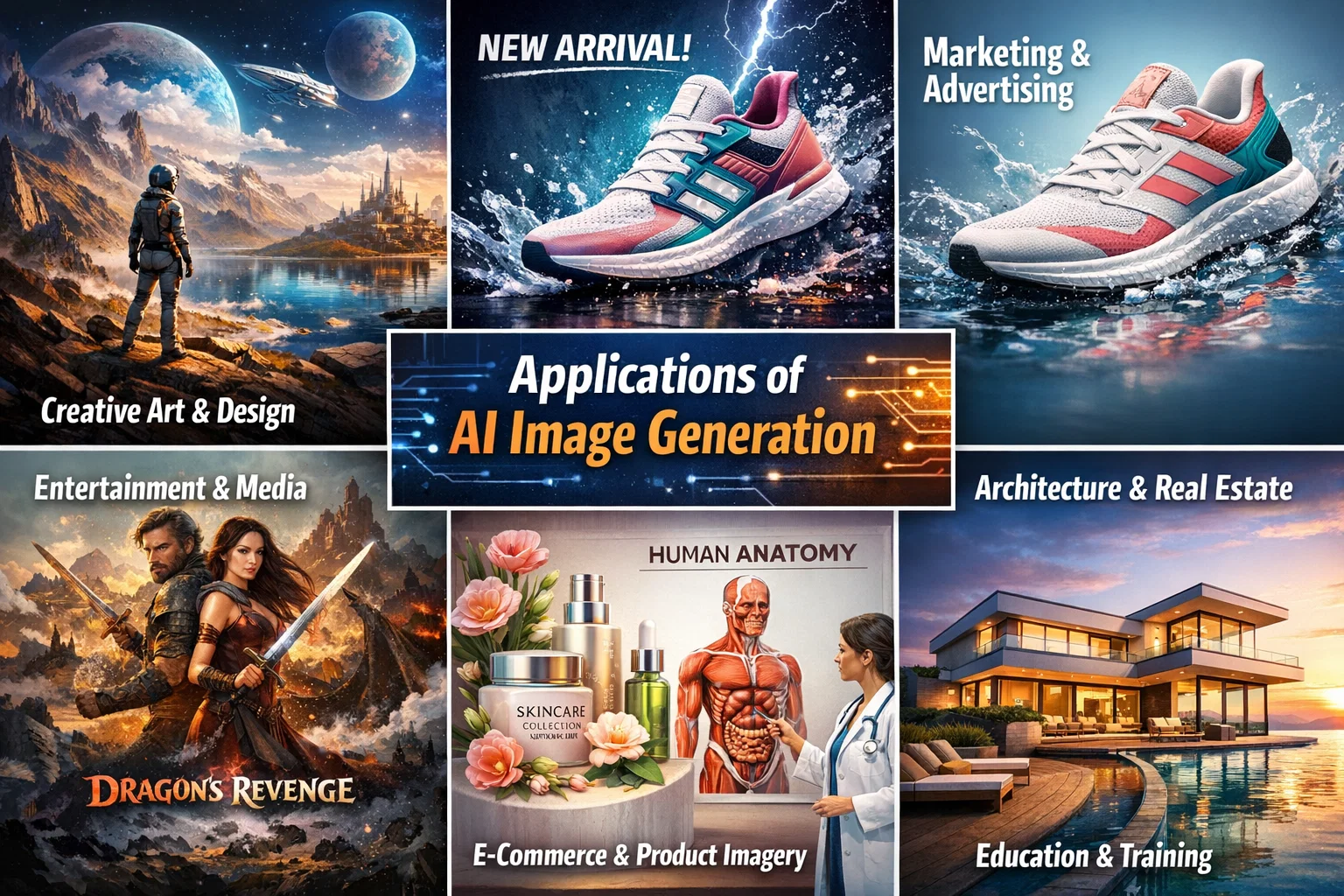
Applications of AI Image Generation
The applications of AI image generation are diverse and widespread. Some of the most significant applications include computer vision, robotics, gaming, and healthcare. In computer vision, AI image generation can be used to create synthetic images that can be used to train models for object detection, segmentation, and recognition. In robotics, AI image generation can be used to create realistic simulations of environments, which can be used to train robots to navigate and interact with their surroundings.
Creating an AI Assistant with its Own Phone Number
In addition to AI image generation, The Rundown AI also provides information on how to create an AI assistant with its own phone number. This can be achieved using a combination of natural language processing and machine learning techniques, which enable the AI assistant to understand and respond to voice commands. The AI assistant can be integrated with various platforms, including GitHub, to enable seamless communication and interaction.
Conclusion
In conclusion, the new top banana in AI image generation has the potential to revolutionize the field of computer vision and enable the development of more sophisticated AI-powered applications. The applications of AI image generation are diverse and widespread, and the technology has the potential to transform various industries, including healthcare, gaming, and robotics. As reported by The Rundown AI, the future of AI image generation looks promising, and we can expect to see significant advancements in this field in the coming years.
The concept of intelligence ownership has been gaining traction in recent years, and for good reason. As Cisco has demonstrated, owning intelligence rather than renting it can be a game-changer for enterprises looking to scale their operations securely. According to a recent article by The Rundown AI, Cisco’s strategy to scale agents securely and reshape enterprise workflows is a prime example of this shift.
The Importance of Intelligence Ownership
Owning intelligence means having control over the data, algorithms, and insights that drive business decisions. This is particularly crucial in today’s fast-paced, data-driven world, where artificial intelligence and machine learning are becoming increasingly prevalent. By owning their intelligence, enterprises can ensure that their systems are secure, transparent, and aligned with their overall goals.
Scaling Agents Securely with Cisco
Cisco’s approach to scaling agents securely is centered around the idea of intelligence ownership. By developing and owning their own AI-powered agents, Cisco is able to ensure that their systems are secure, efficient, and tailored to their specific needs. This approach has allowed Cisco to reshape their enterprise workflows and improve overall productivity. As AWS and other cloud providers continue to evolve, the importance of owning intelligence will only continue to grow.
Cisco’s strategy is a great example of how owning intelligence can help enterprises scale their operations securely and efficiently. By taking control of their data and algorithms, companies can ensure that their systems are aligned with their overall goals and values.
The Benefits of Owning Intelligence
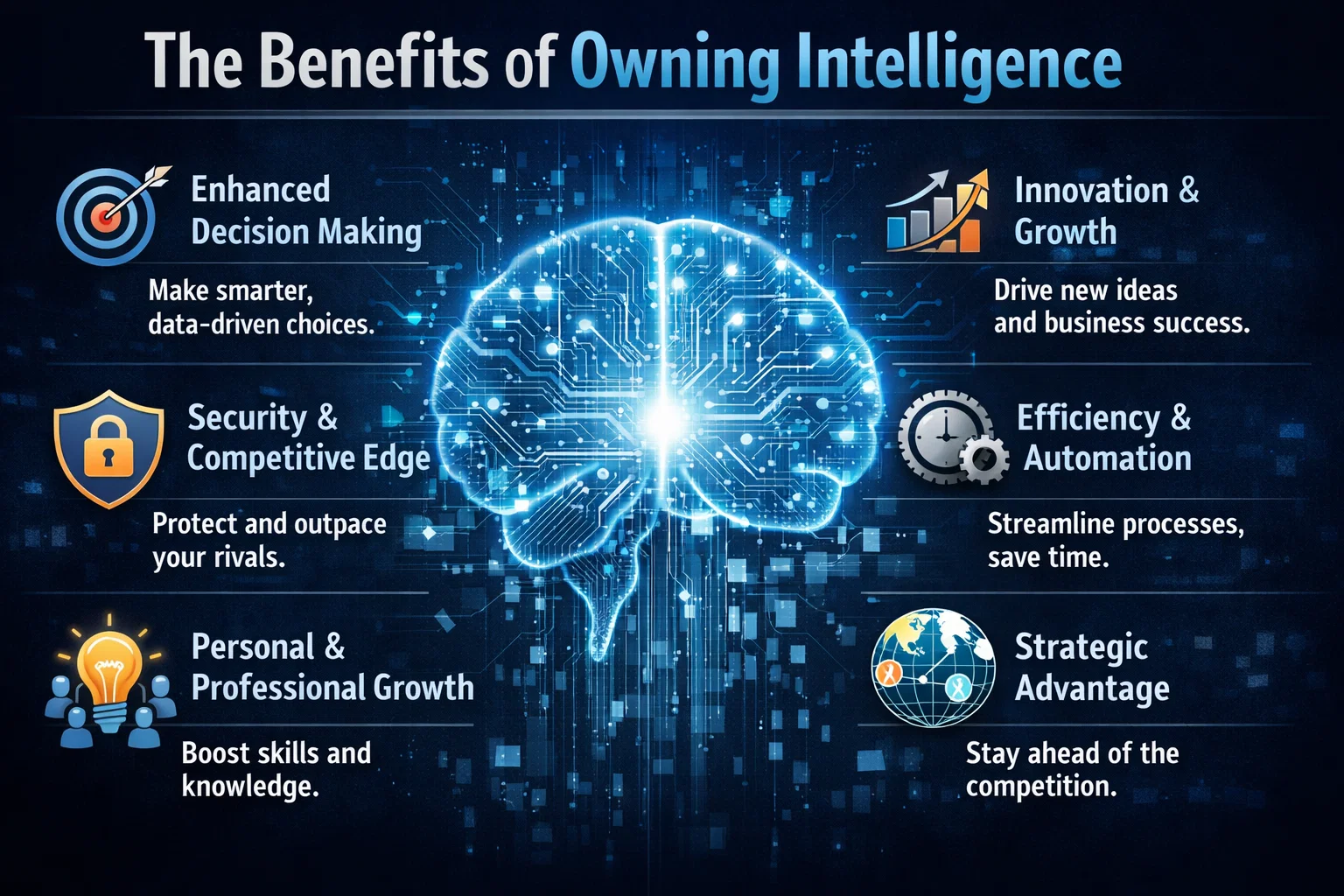
So why should enterprises prioritize intelligence ownership? The benefits are numerous. For one, owning intelligence provides a level of control and transparency that is difficult to achieve with rented intelligence. It also allows enterprises to develop systems that are tailored to their specific needs and goals, rather than relying on generic, off-the-shelf solutions. Additionally, owning intelligence can help enterprises to improve their overall security posture, as they are able to develop and implement their own security protocols and measures.
In contrast, rented intelligence can be limiting and inflexible. When enterprises rely on rented intelligence, they are often at the mercy of the provider, with limited control over the data, algorithms, and insights that drive their business decisions. This can lead to a lack of transparency, security risks, and a general sense of disempowerment.
Real-World Applications
So what does intelligence ownership look like in practice? One example is the development of custom GitHub repositories, which allow enterprises to own and control their code and data. Another example is the use of Azure and other cloud platforms to develop and deploy custom AI-powered solutions. By taking control of their intelligence, enterprises can develop systems that are tailored to their specific needs and goals, and that provide a level of security, transparency, and efficiency that is difficult to achieve with rented intelligence.