


Connect with us

AI News & Updates

AI Investment Hype Explodes: Ultimate Guide to Paul, Unitree & OpenAI’s Big Moves

Published

on

Have we just reached the peak of the AI investment hype? From celebrity investors like Jake Paul backing groundbreaking software to Chinese robotics firms eyeing multi-billion dollar IPOs, the money flowing into artificial intelligence is staggering. This wave of capital isn’t just funding abstract research; it’s powering tangible products, from autonomous coding agents to Hollywood’s next animated feature. Let’s dive into the recent announcements that signal a major acceleration in the AI gold rush.

The Celebrity Frenzy: When Mainstream Money Meets AI

A clear sign that a tech trend has gone mainstream is when celebrity money follows. Recently, YouTuber and boxer Jake Paul announced he is an investor in Cognition Labs, the company behind the AI software engineer, Devin. In a tweet, Paul declared the company will “unlock monumental human achievement” and become one of the most important AI labs in the world.

He’s not alone. Rapper Meek Mill also threw his hat in the ring, tweeting he’s “working on an AI tool that can change the world lol.” While details are scarce, whispers suggest that major venture capital firms like a16z are showing interest, a firm known for reaching out to influencers and streamers to secure deals in emerging spaces. This signals that the current AI investment hype is attracting capital from every corner, far beyond traditional Silicon Valley circles.

Unitree’s Robotics Revolution: A $7 Billion IPO on the Horizon

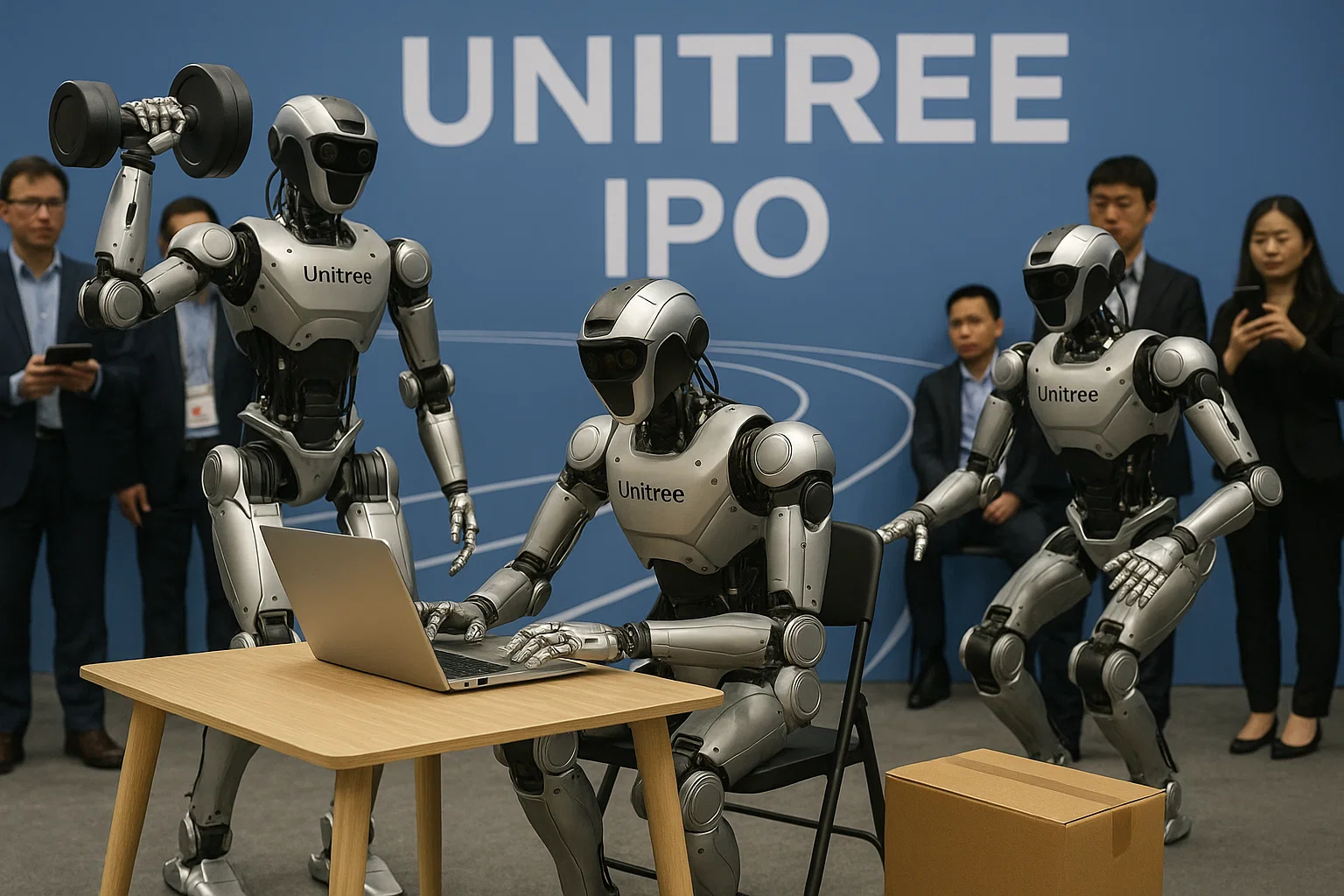
Moving from software to hardware, the robotics sector is experiencing its own explosive growth. Chinese robotics firm Unitree is reportedly eyeing a massive $7 billion IPO valuation. The company has become a dominant force, particularly with its robot dogs, which account for 65% of its revenue and hold an astonishing 70% share of the global market—a market arguably pioneered by Boston Dynamics.

Unitree's humanoid robots showcase their advanced capabilities, fueling investor interest ahead of their planned IPO.
Unitree’s humanoid robots showcase their advanced capabilities, fueling investor interest ahead of their planned IPO.

Unitree’s impressive humanoid robots, capable of performing roundhouse kicks and giving high-fives, are also turning heads. With China investing billions into robotics, semiconductors, and AI, Unitree is positioned to become a world leader. The firm plans to list in Q4, potentially on both Chinese and Hong Kong stock exchanges, making it one of the most high-profile robotics IPOs in years.  

For more breaking stories like this, check out our AI News & Updates.

OpenAI Takes on Hollywood with “Critterz”

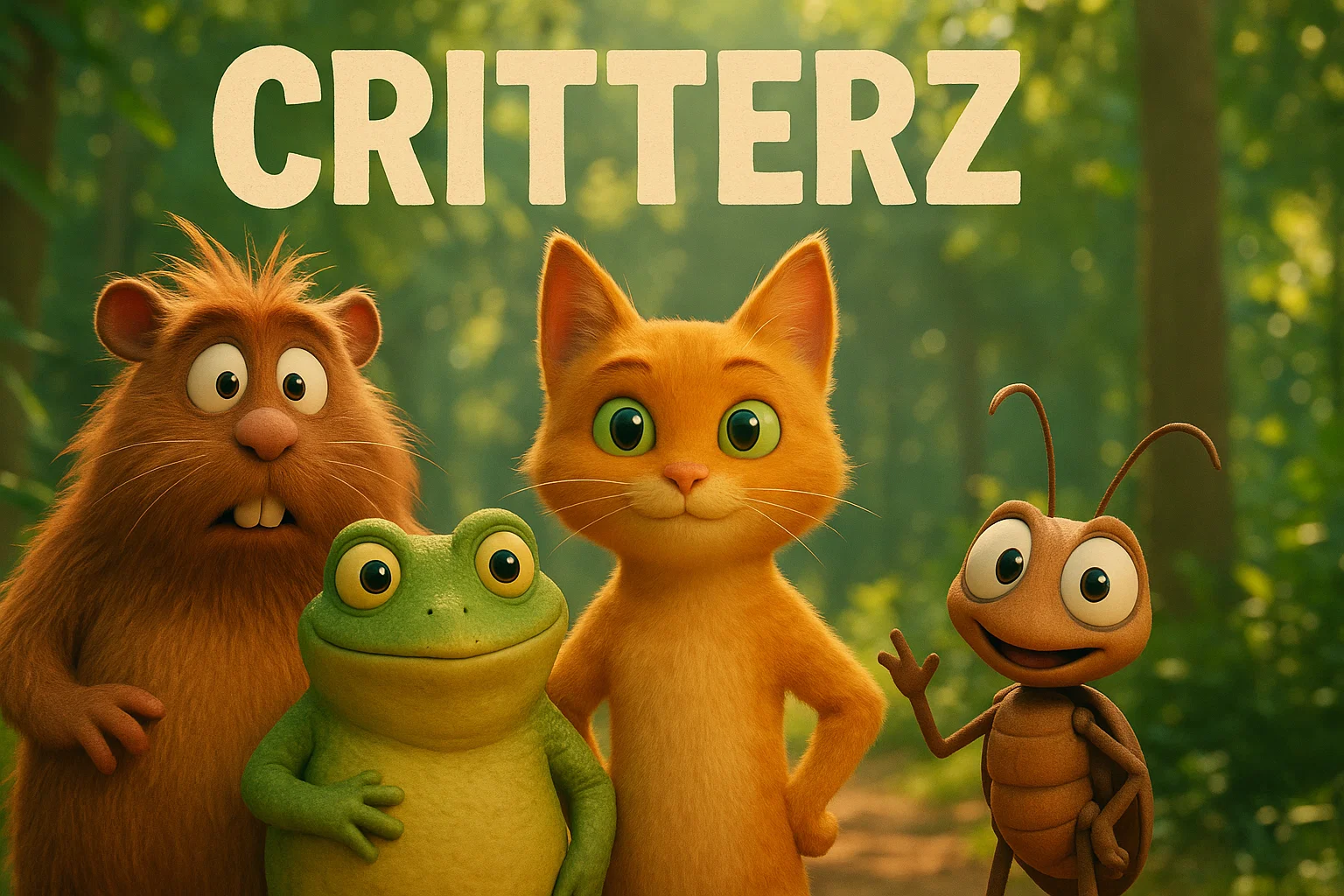
The AI disruption isn’t stopping at code and robots; it’s coming for Hollywood. OpenAI is reportedly backing an AI-powered animated film called “Critterz” with a bold mission: to convince wary film executives to embrace AI.

The strategy is simple: demonstrate overwhelming value. “Critterz” is being produced on a budget of less than $30 million and in just nine months—a fraction of the time and cost typically required for an animated feature. By showcasing an accelerated, low-budget production pipeline powered by its AI tools (likely including Sora and GPT-5), OpenAI hopes to prove that AI is the future of filmmaking.

The main characters from "Critterz," an animated film designed to showcase the power of AI in movie production.
The main characters from “Critterz,” an animated film designed to showcase the power of AI in movie production.

Elon Musk’s Take: The True Cost and Future of AI Entertainment

Commenting on the “Critterz” news, Elon Musk called the $30 million budget and nine-month timeline “achievable.” However, he added a crucial insight, joking that the “actual budget is more like $30 billion in compute.” This highlights the immense, often hidden, computational cost behind training and running the large-scale models that make such projects possible.

Looking further ahead, Musk revealed an even more intriguing possibility. After a conversation with the makers of the legendary space MMO EVE Online, he discussed the potential of collaborating on “an AI game. Something that only AI could do.” This hints at a future where AI isn’t just a tool for creating assets but the core engine for generating dynamic, impossibly complex game worlds and narratives.

For example: “According to a report from Reuters, Unitree is actively advancing its IPO preparations.”

Is This a Bubble or the New Reality?

Whether the current AI investment hype represents a bubble waiting to pop or the foundational stages of a technological revolution remains to be seen. What is certain is that the progress is real and accelerating. As celebrities, global corporations, and tech visionaries continue to pour resources into the field, one thing is clear: the AI train is not slowing down.  

“We’ll be watching closely to see how AI continues to transform the future of entertainment.”

AI News & Updates

Microsoft and OpenAI Reaffirm Long-Term AI Partnership

Microsoft and OpenAI reaffirm long-term AI partnership

Published

on

Microsoft and OpenAI issue joint statement reaffirming long-term AI partnership- blogs.microsoft.com - Featured Image

The recent joint statement from Microsoft and OpenAI has reaffirmed their long-term AI partnership, as reported by FutureTools News. This commitment to collaboration is expected to drive innovation in the field of artificial intelligence and shape the future of technology. The partnership between Microsoft and OpenAI has been instrumental in developing cutting-edge AI solutions, including the integration of OpenAI’s models with Microsoft’s Azure cloud platform.

Background of the Partnership
Background of the Partnership

The partnership between Microsoft and OpenAI was formed with the goal of advancing the field of artificial intelligence and developing new technologies that can benefit society. The collaboration has led to significant breakthroughs in areas such as natural language processing and computer vision. The joint statement from Microsoft and OpenAI emphasizes their shared commitment to responsible AI development and the importance of ensuring that AI systems are aligned with human values.

Key Areas of Focus
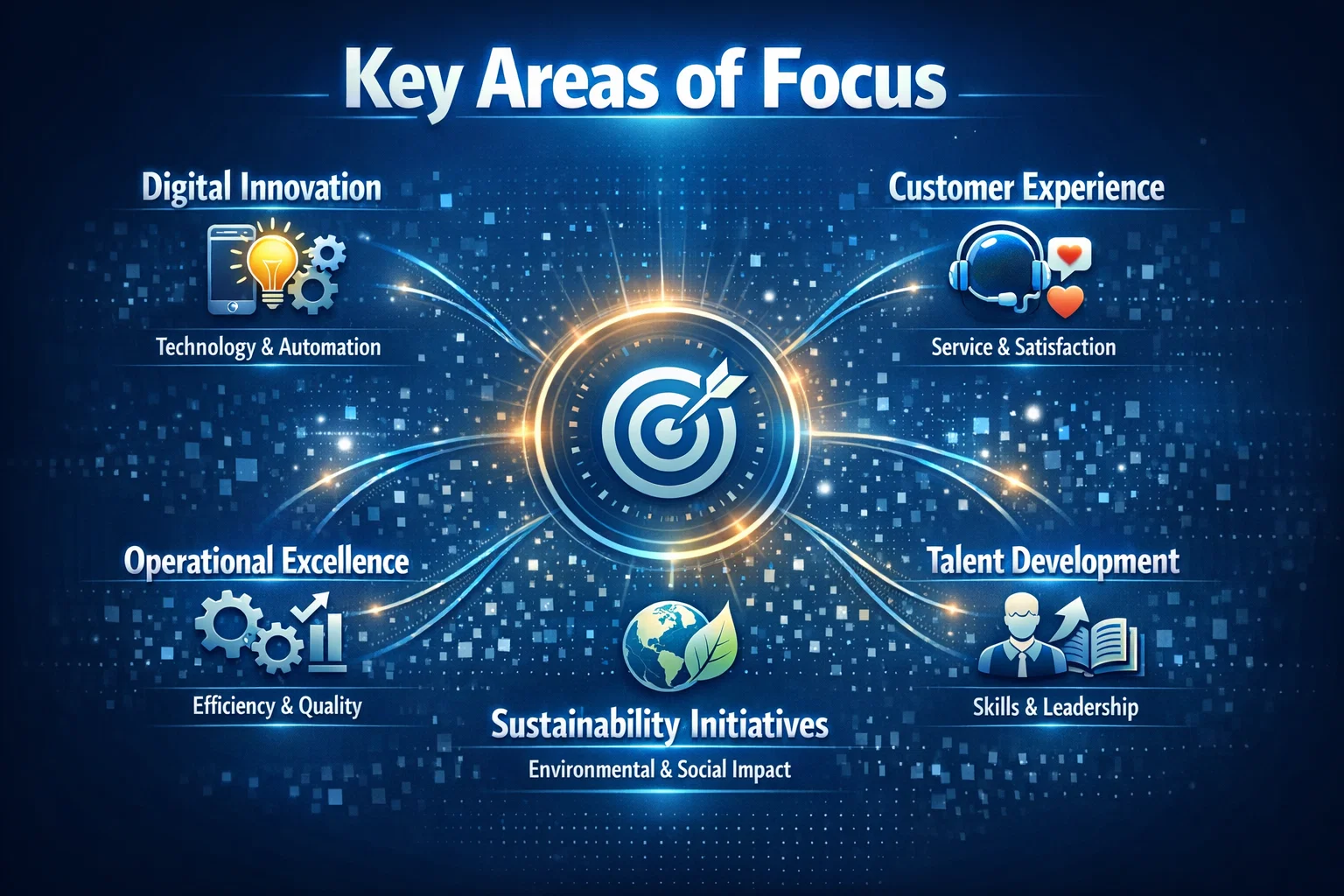
Key Areas of Focus

The partnership between Microsoft and OpenAI is focused on several key areas, including the development of large language models and the integration of AI with other technologies such as GitHub and AWS. The goal is to create AI systems that can learn and improve over time, and that can be used to solve complex problems in areas such as healthcare and education. As stated by a Microsoft spokesperson,

The partnership between Microsoft and OpenAI is a key part of our strategy to advance the field of artificial intelligence and to develop new technologies that can benefit society. We are committed to working together to ensure that AI systems are developed and used in ways that are responsible and aligned with human values.

Future Directions

The joint statement from Microsoft and OpenAI also highlights their plans for future collaboration and innovation. The partners are expected to continue working together to develop new AI technologies and to explore new applications for AI in areas such as cybersecurity and sustainability. The partnership is also expected to drive innovation in the field of AI ethics and to promote the development of AI systems that are transparent, explainable, and fair. As the field of artificial intelligence continues to evolve, the partnership between Microsoft and OpenAI is likely to play a significant role in shaping the future of technology and ensuring that AI systems are developed and used in ways that benefit society.


Continue Reading

AI News & Updates

Revolutionizing Visuals: The New Top Banana in AI Image Generation

Revolutionizing visuals with AI image generation

Published

on

The new top banana in AI image generation - Featured Image

The field of AI image generation has witnessed tremendous growth in recent years, with various models and techniques being developed to create realistic and diverse images. As reported by The Rundown AI, the latest advancements in this field have led to the emergence of a new top banana in AI image generation. This article will delve into the details of this new development and explore its potential applications.

Introduction to AI Image Generation

AI image generation refers to the use of artificial intelligence algorithms to create images that are similar to those produced by humans. This technology has numerous applications, including computer vision, robotics, and gaming. The process of AI image generation involves training a model on a large dataset of images, which enables it to learn patterns and features that can be used to generate new images.

The New Top Banana in AI Image Generation

The New Top Banana in AI Image Generation

According to The Rundown AI, the new top banana in AI image generation is a model developed by Anthropic, a leading AI research organization. This model has demonstrated exceptional capabilities in generating high-quality images that are comparable to those produced by humans. The model’s architecture is based on a combination of deep learning and machine learning techniques, which enables it to learn complex patterns and features from large datasets.

The new top banana in AI image generation has the potential to revolutionize the field of computer vision and enable the development of more sophisticated AI-powered applications.

Applications of AI Image Generation

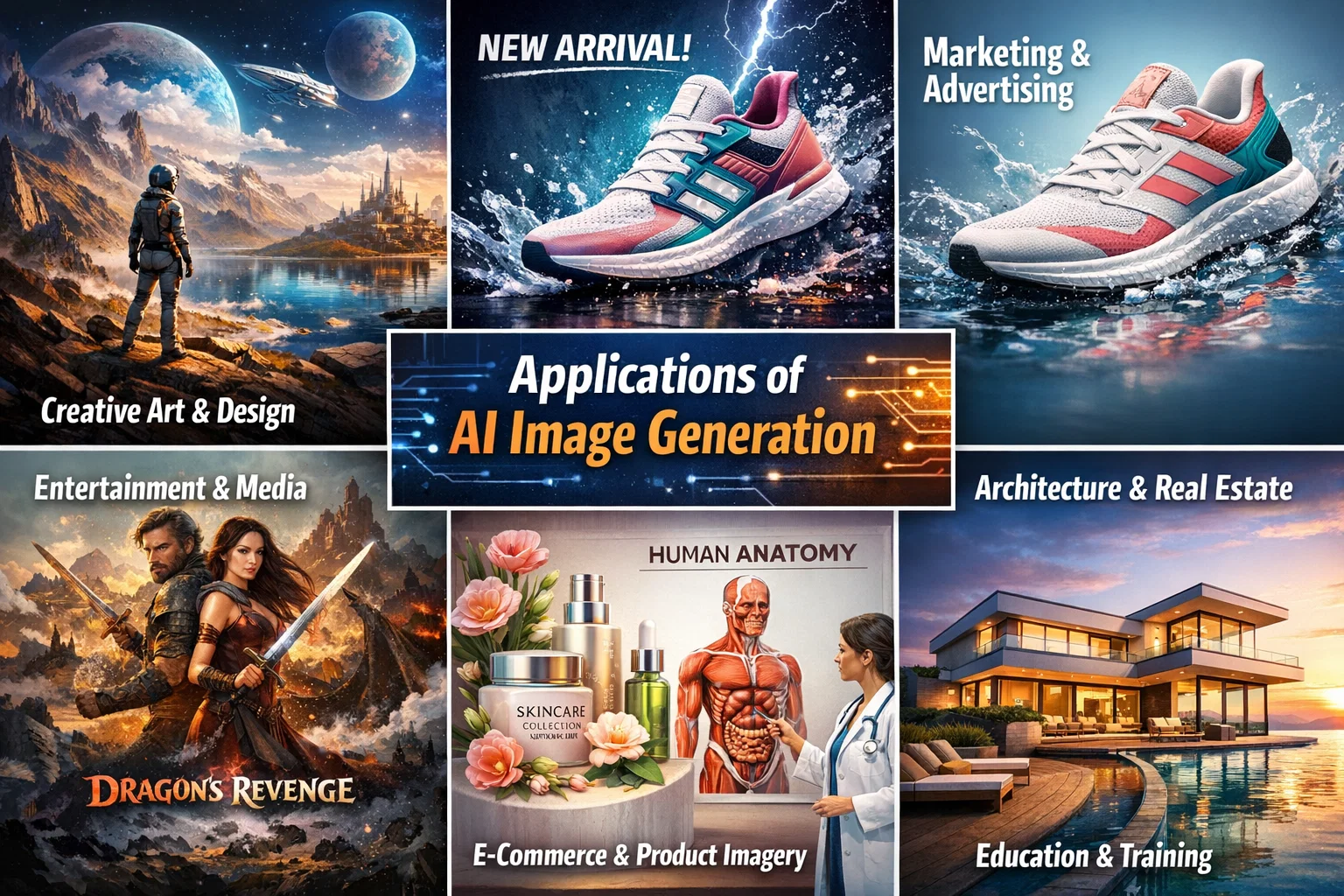
Applications of AI Image Generation

The applications of AI image generation are diverse and widespread. Some of the most significant applications include computer vision, robotics, gaming, and healthcare. In computer vision, AI image generation can be used to create synthetic images that can be used to train models for object detection, segmentation, and recognition. In robotics, AI image generation can be used to create realistic simulations of environments, which can be used to train robots to navigate and interact with their surroundings.

Creating an AI Assistant with its Own Phone Number

In addition to AI image generation, The Rundown AI also provides information on how to create an AI assistant with its own phone number. This can be achieved using a combination of natural language processing and machine learning techniques, which enable the AI assistant to understand and respond to voice commands. The AI assistant can be integrated with various platforms, including GitHub, to enable seamless communication and interaction.

Conclusion

In conclusion, the new top banana in AI image generation has the potential to revolutionize the field of computer vision and enable the development of more sophisticated AI-powered applications. The applications of AI image generation are diverse and widespread, and the technology has the potential to transform various industries, including healthcare, gaming, and robotics. As reported by The Rundown AI, the future of AI image generation looks promising, and we can expect to see significant advancements in this field in the coming years.

Continue Reading

AI How-To's & Tricks

Unlocking True Potential: Why Intelligence Should be Owned, Not Rented

Learn why owning intelligence is crucial for enterprise success

Published

on

Intelligence should be owned, not rented - Featured Image

The concept of intelligence ownership has been gaining traction in recent years, and for good reason. As Cisco has demonstrated, owning intelligence rather than renting it can be a game-changer for enterprises looking to scale their operations securely. According to a recent article by The Rundown AI, Cisco’s strategy to scale agents securely and reshape enterprise workflows is a prime example of this shift.

The Importance of Intelligence Ownership

Owning intelligence means having control over the data, algorithms, and insights that drive business decisions. This is particularly crucial in today’s fast-paced, data-driven world, where artificial intelligence and machine learning are becoming increasingly prevalent. By owning their intelligence, enterprises can ensure that their systems are secure, transparent, and aligned with their overall goals.

Scaling Agents Securely with Cisco

Scaling Agents Securely with Cisco

Cisco’s approach to scaling agents securely is centered around the idea of intelligence ownership. By developing and owning their own AI-powered agents, Cisco is able to ensure that their systems are secure, efficient, and tailored to their specific needs. This approach has allowed Cisco to reshape their enterprise workflows and improve overall productivity. As AWS and other cloud providers continue to evolve, the importance of owning intelligence will only continue to grow.

Cisco’s strategy is a great example of how owning intelligence can help enterprises scale their operations securely and efficiently. By taking control of their data and algorithms, companies can ensure that their systems are aligned with their overall goals and values.

The Benefits of Owning Intelligence

The Benefits of Owning Intelligence

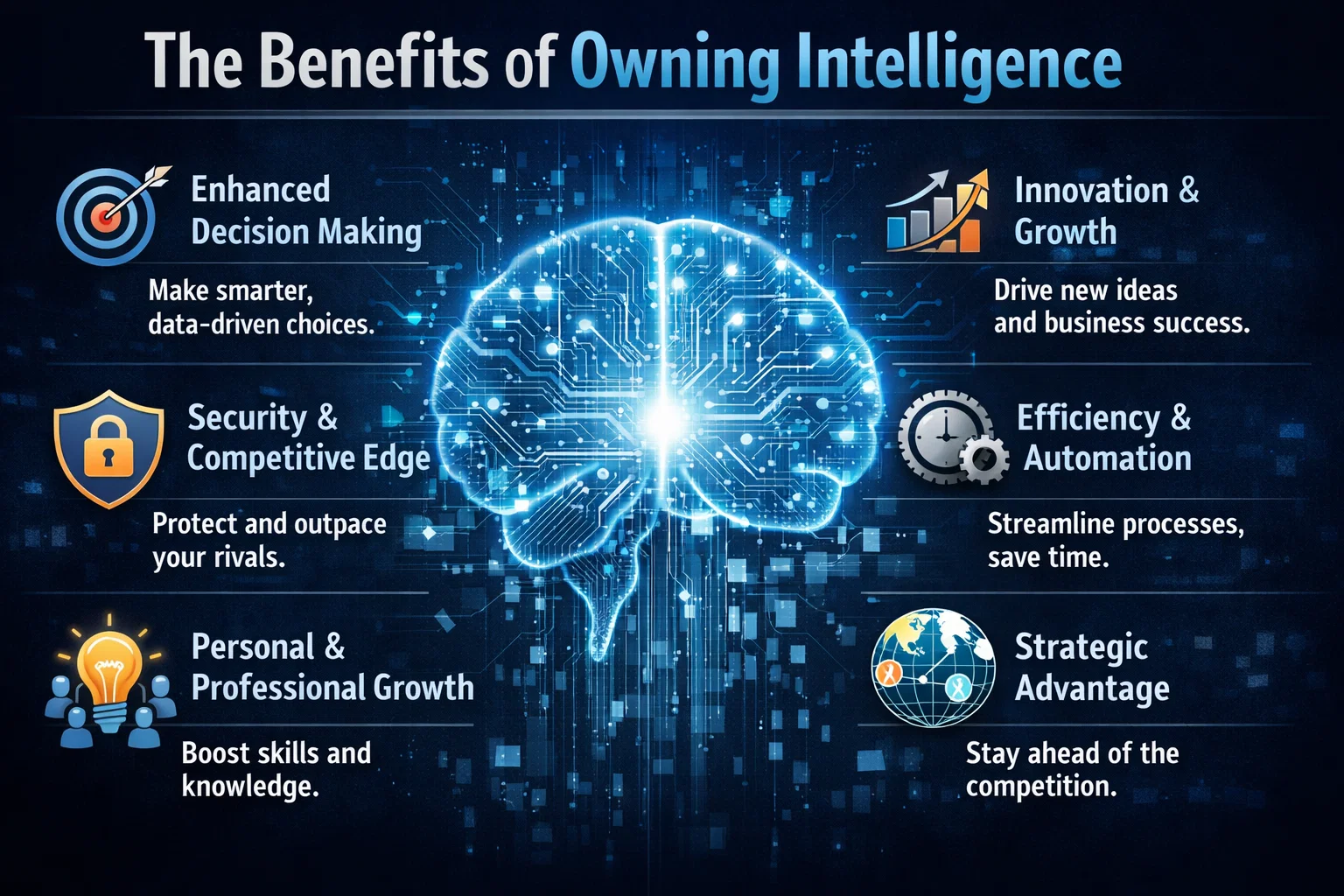
So why should enterprises prioritize intelligence ownership? The benefits are numerous. For one, owning intelligence provides a level of control and transparency that is difficult to achieve with rented intelligence. It also allows enterprises to develop systems that are tailored to their specific needs and goals, rather than relying on generic, off-the-shelf solutions. Additionally, owning intelligence can help enterprises to improve their overall security posture, as they are able to develop and implement their own security protocols and measures.

In contrast, rented intelligence can be limiting and inflexible. When enterprises rely on rented intelligence, they are often at the mercy of the provider, with limited control over the data, algorithms, and insights that drive their business decisions. This can lead to a lack of transparency, security risks, and a general sense of disempowerment.

Real-World Applications

So what does intelligence ownership look like in practice? One example is the development of custom GitHub repositories, which allow enterprises to own and control their code and data. Another example is the use of Azure and other cloud platforms to develop and deploy custom AI-powered solutions. By taking control of their intelligence, enterprises can develop systems that are tailored to their specific needs and goals, and that provide a level of security, transparency, and efficiency that is difficult to achieve with rented intelligence.

Continue Reading

Trending